
Backlink Management Tool on Autopilot: Passive Link Growth
Building a strong backlink profile traditionally requires countless hours of manual outreach, relationship building, and constant monitoring. However, the evolution of automated backlink software has transformed this landscape, enabling website owners to achieve consistent link growth without the traditional time investment. Autopilot backlink management represents the next frontier in SEO automation, where sophisticated systems handle the entire link acquisition process from start to finish.
The concept of passive link growth centers on creating systems that work continuously in the background, identifying opportunities, executing outreach campaigns, and securing high-quality backlinks while you focus on other aspects of your business. This approach leverages advanced algorithms, data analysis, and automated workflows to replicate the strategies that manual link builders use, but at scale and with greater consistency.
Understanding Autopilot Backlink Management
Autopilot backlink management tools operate on sophisticated algorithms that analyze your website, identify relevant link opportunities, and execute targeted campaigns to secure high-authority backlinks. These systems go beyond simple automation by incorporating machine learning capabilities that improve performance over time, adapting to changing search engine algorithms and industry trends.
The foundation of effective autopilot systems lies in their ability to understand your niche, target audience, and competitive landscape. Advanced tools analyze your existing content, identify topical relevance patterns, and map out potential link sources that align with your brand and industry. This intelligent targeting ensures that automated campaigns generate contextually relevant backlinks that provide genuine SEO value.
Modern autopilot tools integrate multiple data sources to create comprehensive link prospecting databases. They monitor domain metrics, analyze content quality, assess traffic patterns, and evaluate editorial standards to identify high-value link opportunities. This multi-factor analysis ensures that automated outreach targets websites that can provide meaningful link equity and referral traffic.
Core Components of Automated Link Building
Successful autopilot backlink management relies on several interconnected components that work together to create a seamless link acquisition process. The prospecting engine serves as the foundation, continuously scanning the web for new link opportunities based on predefined criteria and learning algorithms.
Content analysis modules examine your existing website content to identify linkable assets and potential content gaps that could be filled to attract natural links. These systems evaluate content performance, social sharing patterns, and engagement metrics to determine which pages have the highest link attraction potential.
Outreach automation handles the communication aspect of link building, crafting personalized emails that resonate with target website owners and editors. Advanced systems use natural language processing to create contextually appropriate outreach messages that feel genuine and personalized, despite being generated automatically.
Relationship management components track all interactions with potential link partners, maintaining detailed records of communication history, response rates, and link placement outcomes. This data enables the system to refine its approach over time, improving success rates and building more effective outreach strategies.
Setting Up Your Autopilot System
The initial setup process for autopilot backlink management requires careful configuration to ensure optimal results. Begin by conducting a comprehensive audit of your current backlink profile, identifying strengths, weaknesses, and opportunities for improvement. This baseline assessment helps the system understand your starting point and develop appropriate growth strategies.
Define your target criteria clearly, including preferred domain authority ranges, topical relevance requirements, and geographic targeting preferences. Specify the types of websites you want to avoid, such as low-quality directories or irrelevant niches, to ensure the system focuses on high-value opportunities.
Configure your content assets by identifying your most linkable pages, resources, and tools. Provide detailed descriptions of your unique value propositions and key differentiators that the system can highlight in outreach communications. This information enables more effective positioning and increases the likelihood of successful link placements.
Establish monitoring parameters to track progress and performance metrics. Set up alerts for significant changes in your backlink profile, new link acquisitions, and potential issues that require manual intervention. Regular monitoring ensures that your autopilot system continues to deliver results aligned with your SEO objectives.
Advanced Targeting and Personalization
Sophisticated autopilot systems excel at creating highly targeted campaigns that resonate with specific audience segments. Machine learning algorithms analyze successful link placements to identify patterns and characteristics that correlate with positive outcomes, continuously refining targeting criteria based on real performance data.
Personalization extends beyond simple name insertion to include contextual relevance, shared connections, and mutual interests. Advanced systems research target websites thoroughly, identifying recent content publications, industry involvement, and potential collaboration opportunities that can be referenced in outreach communications.
Behavioral analysis helps autopilot tools understand the preferences and communication styles of different website owners and editors. By analyzing response patterns, preferred contact methods, and decision-making timelines, these systems can adapt their approach to match individual preferences and increase success rates.
Dynamic content creation enables autopilot systems to generate unique value propositions for each outreach target. Rather than using generic templates, advanced tools create customized content suggestions, resource recommendations, and collaboration proposals that align with the target website’s audience and content strategy.
Quality Control and Link Validation
Maintaining high standards in automated link building requires robust quality control mechanisms that evaluate potential opportunities before initiating outreach. Advanced filtering systems assess multiple quality indicators, including domain authority, traffic patterns, content quality, and editorial standards.
Real-time validation processes check for red flags such as excessive advertising, thin content, or suspicious link patterns that might indicate low-quality websites. These automated checks help maintain the integrity of your backlink profile and protect against potential penalties from search engines.
Post-placement monitoring ensures that acquired links remain active and maintain their quality over time. Autopilot systems regularly crawl linked pages to verify link placement, check for modifications, and identify any issues that might affect link value. This ongoing monitoring helps maintain the long-term effectiveness of your link building efforts.
Content relevance scoring evaluates the contextual appropriateness of potential link placements, ensuring that your links appear in relevant, high-quality content that provides value to readers. This focus on relevance helps build sustainable link profiles that withstand algorithm updates and provide lasting SEO benefits.
Scaling Strategies for Maximum Impact
Effective scaling of autopilot backlink management requires strategic planning and gradual expansion to maintain quality while increasing volume. Start with conservative targeting parameters and gradually expand your criteria as the system demonstrates consistent results and refined targeting capabilities.
Diversification strategies help create robust link profiles that include various types of websites, content formats, and link placement contexts. Autopilot systems can simultaneously pursue multiple campaign types, including resource page inclusions, guest posting opportunities, and collaborative content projects.
Geographic expansion enables targeting of international markets and multilingual websites, broadening your potential link source pool. Advanced systems can adapt outreach messaging for different cultural contexts and language preferences while maintaining consistent quality standards.
Vertical integration allows autopilot tools to explore related industries and complementary niches that might provide valuable link opportunities. By understanding industry connections and cross-sector relationships, these systems can identify non-obvious link sources that competitors might overlook.
Performance Monitoring and Optimization
Comprehensive performance tracking provides insights into the effectiveness of your autopilot backlink campaigns and identifies opportunities for improvement. Key metrics include link acquisition rates, domain authority distribution, referral traffic generation, and overall impact on search engine rankings.
A/B testing capabilities enable continuous optimization of outreach messages, targeting criteria, and campaign strategies. Autopilot systems can automatically test different approaches and implement the most effective variations, continuously improving performance without manual intervention.
Competitive analysis features help identify successful strategies used by competitors and adapt them for your own campaigns. By monitoring competitor backlink acquisition patterns, autopilot tools can discover new link sources and outreach opportunities that might otherwise be missed.
ROI calculation tools provide clear insights into the financial impact of your automated link building efforts. These systems track the relationship between link acquisition costs, organic traffic improvements, and revenue generation to demonstrate the value of your investment in autopilot technology.
Integration with Broader SEO Strategy
Autopilot backlink management works most effectively when integrated with your overall SEO strategy and content marketing efforts. Coordination with content creation schedules ensures that new linkable assets are immediately incorporated into outreach campaigns, maximizing their link attraction potential.
Technical SEO alignment helps ensure that your website can fully capitalize on acquired backlinks. Autopilot systems can identify technical issues that might limit link equity flow and recommend improvements to maximize the SEO impact of new links.
Social media integration enables autopilot tools to leverage social signals and relationships in their outreach efforts. By understanding your social media presence and engagement patterns, these systems can identify additional outreach opportunities and relationship-building possibilities.
Content gap analysis helps identify topics and resources that could attract natural links if developed. Autopilot systems can suggest content creation opportunities based on their analysis of successful link targets and industry trends, creating a feedback loop that improves both content strategy and link building effectiveness.
Risk Management and Compliance
Responsible automation requires careful attention to search engine guidelines and industry best practices. Autopilot systems must incorporate safeguards that prevent aggressive tactics or practices that might trigger algorithmic penalties or manual actions from search engines.
Rate limiting ensures that outreach campaigns maintain natural pacing and avoid overwhelming target websites with excessive communication. Advanced systems monitor response rates and adjust outreach frequency to maintain positive relationships with potential link partners.
Compliance monitoring helps ensure that all link building activities adhere to current search engine guidelines and industry standards. Regular updates to system parameters reflect changes in best practices and algorithm updates, maintaining the long-term sustainability of your link building efforts.
Backup strategies provide alternative approaches when primary tactics encounter obstacles or reduced effectiveness. Diversified campaign types and multiple outreach channels ensure continued progress even when specific strategies face temporary challenges.
Future Trends in Automated Link Building
The evolution of artificial intelligence and machine learning continues to enhance the capabilities of autopilot backlink management tools. Natural language processing improvements enable more sophisticated content analysis and outreach personalization, while predictive analytics help identify emerging link opportunities before competitors discover them.
Integration with emerging technologies such as voice search optimization and mobile-first indexing ensures that autopilot systems remain relevant as search behavior evolves. These tools adapt their strategies to align with changing user preferences and search engine priorities.
Enhanced relationship intelligence helps autopilot systems build deeper, more meaningful connections with link partners over time. By understanding relationship dynamics and collaboration preferences, these tools can foster long-term partnerships that provide ongoing link opportunities and mutual value.
Cross-platform integration enables seamless coordination between different marketing channels and tools, creating more cohesive and effective overall marketing strategies. Autopilot backlink management becomes part of a larger ecosystem of automated marketing tools that work together to drive business growth.
Measuring Long-Term Success
Sustainable success with autopilot backlink management requires focus on long-term metrics and relationship building rather than short-term link quantity. Quality indicators such as referral traffic generation, brand mention increases, and relationship development provide better measures of true success than simple link counts.
Brand authority development represents one of the most valuable outcomes of effective autopilot link building. As your automated systems consistently place your brand in front of relevant audiences through high-quality content and strategic partnerships, your overall industry authority and recognition grow organically.
Network effect amplification occurs when successful link placements lead to additional opportunities through referrals and relationship expansion. Autopilot systems that focus on relationship quality often generate exponential returns as satisfied link partners recommend your brand to their own networks.
The ultimate goal of autopilot backlink management extends beyond search engine optimization to encompass broader business objectives such as lead generation, brand awareness, and market expansion. By aligning automated link building efforts with these larger goals, businesses can achieve comprehensive growth that extends far beyond improved search rankings.
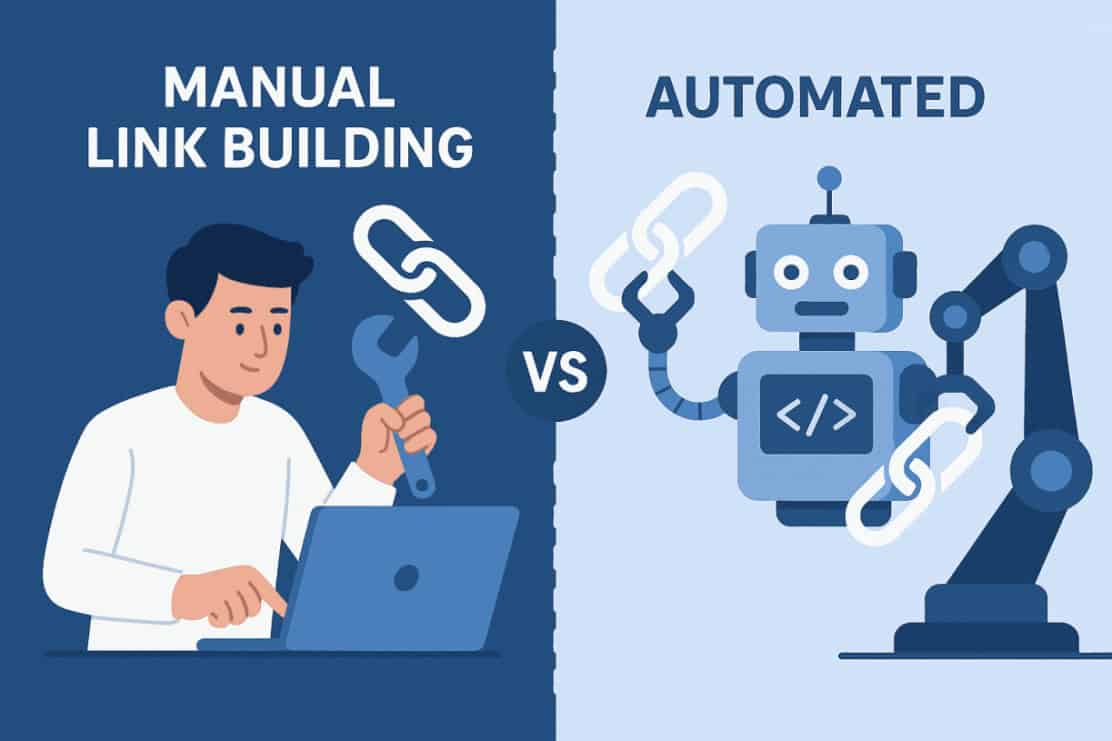
Implementing an effective autopilot backlink management strategy requires careful planning, quality tools, and ongoing optimization. However, the potential for consistent link profile growth and improved search engine performance makes this investment worthwhile for businesses serious about long-term SEO success. As these systems continue to evolve and improve, the gap between manual and automated link building effectiveness continues to narrow, making autopilot solutions an increasingly attractive option for sustainable organic growth.
The future of link building lies in intelligent automation that combines the efficiency of technology with the nuance of human relationship building. By embracing autopilot backlink management tools while maintaining focus on quality and relationship development, businesses can achieve sustainable link growth that supports long-term SEO success and broader marketing objectives. Success in this evolving landscape requires staying informed about emerging trends and best practices while continuously optimizing automated systems for maximum effectiveness and compliance with search engine guidelines.




![Longtail Pro Moz or Majestic [Full Breakdown]](https://backlinkdesk.com/wp-content/uploads/2025/11/ChatGPT-Image-Nov-14-2025-08_30_38-AM.png)


















![How Many Outbound Links Per Blog [2025 Updated]](https://backlinkdesk.com/wp-content/uploads/2025/06/How-Many-Outbound-Links-Per-Blog.png)

![B2B and B2C Website Examples [2025 Updated]](https://backlinkdesk.com/wp-content/uploads/2025/05/B2B-and-B2C-Website-Example-.png)


![What To Do After Keyword Research [2025 Guide]](https://backlinkdesk.com/wp-content/uploads/2025/05/What-To-Do-After-Keyword-Research.png)
![Is Page Speed Really A Ranking Factor? [2025]](https://backlinkdesk.com/wp-content/uploads/2025/05/Is-Page-Speed-Really-A-Ranking-Factor.png)




















![Best Link Exchange Sites [Free & Safe] – Top 5 Picks](https://backlinkdesk.com/wp-content/uploads/2025/04/Free-Link-Exchange.png)