
High Authority Backlink Automation: Scale Your Link Profile
Building high-authority backlinks remains one of the most challenging aspects of SEO, yet it’s absolutely critical for ranking success. Traditional manual link building requires countless hours of prospecting, outreach, and relationship management. However, backlink automation technology has revolutionized how businesses can scale their link profiles efficiently while maintaining quality standards.
The landscape of link building has evolved dramatically, with automation tools now capable of handling complex tasks that previously required extensive manual effort. From identifying high-authority prospects to managing outreach campaigns and tracking link placements, automated systems can streamline your entire link building workflow.
Understanding High Authority Backlink Automation
High authority backlink automation refers to the systematic use of technology and software to identify, acquire, and manage backlinks from authoritative websites. Unlike basic automated link building that focuses on quantity, this approach prioritizes quality metrics such as domain authority, topical relevance, and editorial standards.
Modern automation platforms analyze millions of websites to identify those with genuine authority indicators. These systems evaluate factors like organic traffic patterns, referring domain diversity, content quality, and editorial standards to ensure you’re targeting sites that will genuinely benefit your SEO efforts.
The key distinction lies in the sophistication of targeting algorithms. Advanced automation tools don’t just scrape contact information and send mass emails. Instead, they create detailed prospect profiles, analyze content gaps, and suggest personalized outreach angles that increase acceptance rates significantly.
Core Components of Effective Link Building Automation
Successful backlink automation relies on several interconnected components working together seamlessly. The foundation begins with comprehensive prospect identification systems that continuously monitor the web for new linking opportunities. These systems track domain authority changes, content publication patterns, and editorial preferences to maintain fresh prospect databases.
Content analysis engines form another crucial component, automatically evaluating target sites for topical relevance and editorial fit. These systems can identify specific content pieces where your links would provide genuine value, moving beyond generic outreach to create meaningful editorial relationships.
Automated outreach sequences handle the communication workflow, but sophisticated systems personalize each touchpoint based on prospect behavior and preferences. This includes dynamic email customization, follow-up timing optimization, and response tracking to refine messaging effectiveness over time.
Link monitoring and verification systems ensure that acquired backlinks remain active and properly attributed. These components track link status, anchor text variations, and referring page changes to maintain link portfolio health and identify potential issues before they impact rankings.
Prospect Identification and Qualification
The foundation of any successful automated link building campaign lies in sophisticated prospect identification. Modern automation platforms employ advanced algorithms to discover high-authority websites that align with your niche and linking objectives. These systems analyze vast databases of websites, evaluating multiple authority signals simultaneously.
Authority qualification goes beyond simple domain rating metrics. Automated systems now evaluate organic traffic trends, referring domain diversity, content publication frequency, and social engagement patterns. This multi-dimensional analysis ensures you’re targeting websites with genuine authority rather than those with artificially inflated metrics.
Topical relevance assessment represents another critical qualification layer. Automation tools analyze content themes, keyword focus areas, and audience demographics to identify prospects where your content would provide genuine editorial value. This relevance matching significantly improves outreach success rates and link quality.
Automated systems also evaluate linking patterns and editorial preferences of target sites. By analyzing their existing backlink profiles and content linking behavior, these tools can predict the likelihood of successful outreach and suggest optimal positioning strategies for your content.
Content Strategy Integration
Effective backlink automation requires seamless integration with your content strategy. Automated systems can identify content gaps on target websites and suggest specific topics that would appeal to their editorial teams while naturally incorporating your expertise and linking opportunities.
Content performance analysis helps automation platforms understand which types of content generate the most linking success on specific websites. This data-driven approach allows for more targeted content creation that aligns with proven editorial preferences and audience interests.
Automated content optimization ensures that your linkable assets meet the quality standards expected by high-authority websites. These systems can analyze successful content patterns and suggest improvements to increase acceptance rates and editorial appeal.
Dynamic content matching capabilities allow automation platforms to connect your existing content library with relevant linking opportunities as they emerge. This maximizes the value of your content investments by identifying multiple linking applications for each piece.
Outreach Automation and Personalization
Modern outreach automation has evolved far beyond basic email templates. Sophisticated systems now create highly personalized communication sequences that adapt based on prospect behavior, website characteristics, and previous interaction history. This level of personalization maintains the human touch while scaling your outreach capacity.
Behavioral triggers enable automated systems to respond appropriately to prospect actions. Whether someone visits your website after receiving an outreach email or engages with your social media content, automation platforms can adjust follow-up sequences to capitalize on demonstrated interest.
Multi-channel outreach integration allows automation systems to coordinate communication across email, social media, and other platforms. This omnichannel approach increases visibility and response rates while maintaining consistent messaging across all touchpoints.
Response analysis and optimization continuously improve outreach effectiveness. Automated systems track open rates, response rates, and conversion metrics to refine messaging, timing, and targeting parameters for better results over time.
Quality Control and Link Verification
Maintaining quality standards in automated link building requires robust verification systems. These platforms continuously monitor acquired backlinks to ensure they remain active, properly attributed, and contextually appropriate. Automated quality control prevents low-quality links from diluting your profile’s authority.
Link placement verification ensures that your backlinks appear in appropriate editorial contexts rather than footer sections or low-value pages. Automation systems can detect placement changes and alert you to potential issues that might impact link value.
Anchor text monitoring prevents over-optimization by tracking anchor text distribution across your automated link building campaigns. These systems can suggest anchor text variations and flag potential over-optimization risks before they become problematic.
Editorial compliance checking ensures that your automated campaigns respect website guidelines and editorial standards. This includes monitoring for proper disclosure requirements, content quality standards, and relationship transparency where applicable.
Scaling Strategies for Maximum Impact
Successful scaling of automated link building requires strategic planning and systematic execution. Begin with a focused approach targeting a specific niche or content type, then gradually expand your automation parameters as you refine your processes and quality standards.
Portfolio diversification becomes crucial as you scale your automated efforts. Ensure your automation systems target websites across different authority levels, geographic regions, and content types to create a natural-looking backlink profile that search engines view favorably.
Velocity management prevents your automated campaigns from appearing unnatural to search engines. Sophisticated automation platforms can distribute link acquisition over realistic timeframes and adjust pacing based on your website’s authority level and historical linking patterns.
Performance optimization requires continuous monitoring and adjustment of your automation parameters. Regular analysis of which prospect types, content angles, and outreach approaches generate the best results allows you to refine your automation for maximum efficiency and effectiveness.
Integration with Existing SEO Workflows
Effective backlink automation integrates seamlessly with your broader SEO strategy. This includes coordination with keyword research, content planning, and technical optimization efforts to ensure your link building supports overall ranking objectives.
Data synchronization between automation platforms and your existing SEO tools provides comprehensive visibility into link building impact. This integration allows you to correlate link acquisition with ranking improvements and traffic growth for better campaign optimization.
Reporting automation ensures stakeholders receive regular updates on link building progress without manual effort. Automated reporting systems can generate customized dashboards showing key metrics, quality indicators, and campaign performance trends.
Workflow automation extends beyond link building to include related tasks like backlink tracking and monitoring. This comprehensive approach ensures your automated systems support all aspects of link profile management and optimization.
Advanced Automation Features and Capabilities
Leading automation platforms now offer sophisticated features that rival human decision-making capabilities. Machine learning algorithms analyze successful outreach patterns to continuously improve targeting accuracy and message effectiveness without manual intervention.
Predictive analytics help automation systems identify emerging linking opportunities before they become widely known. This early identification capability allows you to secure high-value backlinks before competition intensifies and acceptance rates decline.
Competitive intelligence integration enables automation platforms to monitor competitor link building activities and identify similar opportunities for your campaigns. This competitive awareness ensures you don’t miss valuable linking prospects in your industry.
Custom automation rules allow you to define specific criteria and workflows that align with your unique business requirements. These customization capabilities ensure your automation efforts reflect your brand standards and strategic priorities.
Measuring Success and ROI
Comprehensive measurement systems are essential for evaluating the success of your automated link building efforts. Modern platforms provide detailed analytics covering acquisition rates, link quality metrics, and ranking impact correlations to demonstrate clear return on investment.
Attribution modeling helps connect link building activities to broader business outcomes like organic traffic growth, lead generation, and revenue increases. This comprehensive measurement approach justifies automation investments and guides strategic decisions.
Quality scoring systems evaluate individual links and overall portfolio health using multiple authority and relevance indicators. These automated quality assessments help maintain high standards while scaling your link building efforts effectively.
Comparative analysis features allow you to benchmark your automated campaigns against industry standards and competitor performance. This competitive context helps identify optimization opportunities and validate your automation strategy effectiveness.
Common Pitfalls and How to Avoid Them
Over-reliance on automation without human oversight represents a significant risk in automated link building. While automation handles routine tasks efficiently, human judgment remains crucial for strategic decisions, relationship management, and quality control.
Neglecting relationship building in favor of purely transactional approaches can limit long-term success. Effective automation should facilitate genuine relationship development rather than replace human connection entirely.
Ignoring quality in pursuit of scale defeats the purpose of high-authority link building. Maintain strict quality standards even as you scale your automation efforts, focusing on editorial value and genuine authority rather than volume metrics.
Insufficient monitoring of automated campaigns can lead to quality degradation over time. Regular audits and performance reviews ensure your automation systems continue meeting your standards and adapting to changing search engine requirements.
Future Trends in Link Building Automation
Artificial intelligence integration will continue advancing automation capabilities, with systems becoming increasingly sophisticated at mimicking human decision-making and relationship building approaches. These AI-powered platforms will offer more nuanced targeting and personalization capabilities.
Real-time optimization will become standard, with automation systems continuously adjusting strategies based on immediate feedback and performance data. This dynamic approach will maximize efficiency and effectiveness while minimizing manual intervention requirements.
Cross-platform integration will expand, connecting link building automation with broader marketing automation ecosystems. This integration will enable more comprehensive campaign coordination and better alignment with overall marketing objectives.
Enhanced quality prediction algorithms will better identify high-value linking opportunities before outreach begins. These predictive capabilities will improve success rates while reducing wasted effort on low-probability prospects.
Implementation Best Practices
Start your automation journey with clear objectives and quality standards firmly established. Define what constitutes a high-authority backlink for your specific industry and ensure your automation systems prioritize these criteria above volume metrics.
Gradual scaling allows you to refine your processes and quality controls before committing to large-scale automation. Begin with a focused campaign targeting a specific content type or industry segment, then expand based on proven success patterns.
Regular auditing of automated campaigns ensures continued alignment with your quality standards and strategic objectives. Schedule monthly reviews of link quality, outreach effectiveness, and overall campaign performance to identify optimization opportunities.
Maintain human oversight for strategic decisions and relationship management while allowing automation to handle routine tasks. This balanced approach maximizes efficiency while preserving the human elements that drive long-term success in link building.
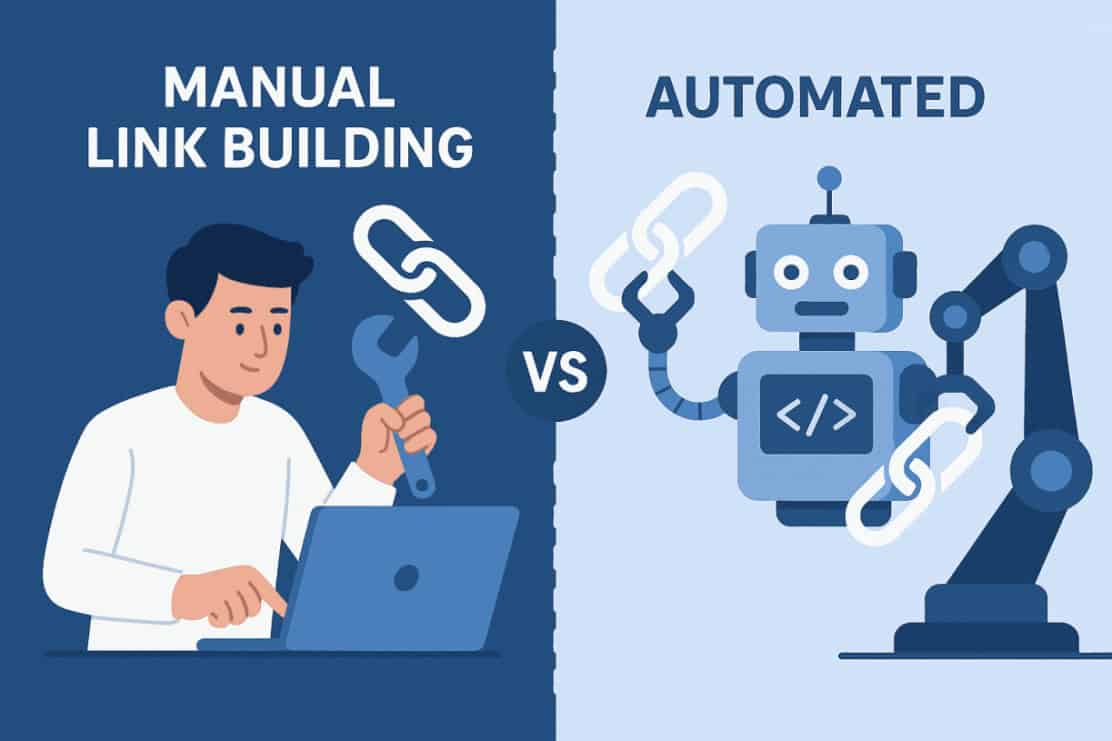
Understanding the distinction between manual and automated approaches helps you optimize your strategy for maximum effectiveness. While automation excels at scale and efficiency, manual efforts remain valuable for high-stakes opportunities and relationship development.
Consider exploring cost-effective link building solutions that combine automation with professional expertise. This hybrid approach often delivers superior results while maintaining reasonable costs and quality standards.
High authority backlink automation represents a powerful opportunity to scale your link building efforts while maintaining quality standards. By implementing sophisticated automation systems with proper oversight and quality controls, you can build a robust backlink profile that drives sustainable organic growth. The key lies in balancing automation efficiency with human strategic thinking to create a link building approach that delivers both scale and quality in your SEO efforts.

![Longtail Pro Moz or Majestic [Full Breakdown]](https://backlinkdesk.com/wp-content/uploads/2025/11/ChatGPT-Image-Nov-14-2025-08_30_38-AM.png)



![How Many Outbound Links Per Blog [2025 Updated]](https://backlinkdesk.com/wp-content/uploads/2025/06/How-Many-Outbound-Links-Per-Blog.png)
![B2B and B2C Website Examples [2025 Updated]](https://backlinkdesk.com/wp-content/uploads/2025/05/B2B-and-B2C-Website-Example-.png)

![What To Do After Keyword Research [2025 Guide]](https://backlinkdesk.com/wp-content/uploads/2025/05/What-To-Do-After-Keyword-Research.png)
![Is Page Speed Really A Ranking Factor? [2025]](https://backlinkdesk.com/wp-content/uploads/2025/05/Is-Page-Speed-Really-A-Ranking-Factor.png)


![Best Link Exchange Sites [Free & Safe] – Top 5 Picks](https://backlinkdesk.com/wp-content/uploads/2025/04/Free-Link-Exchange.png)