
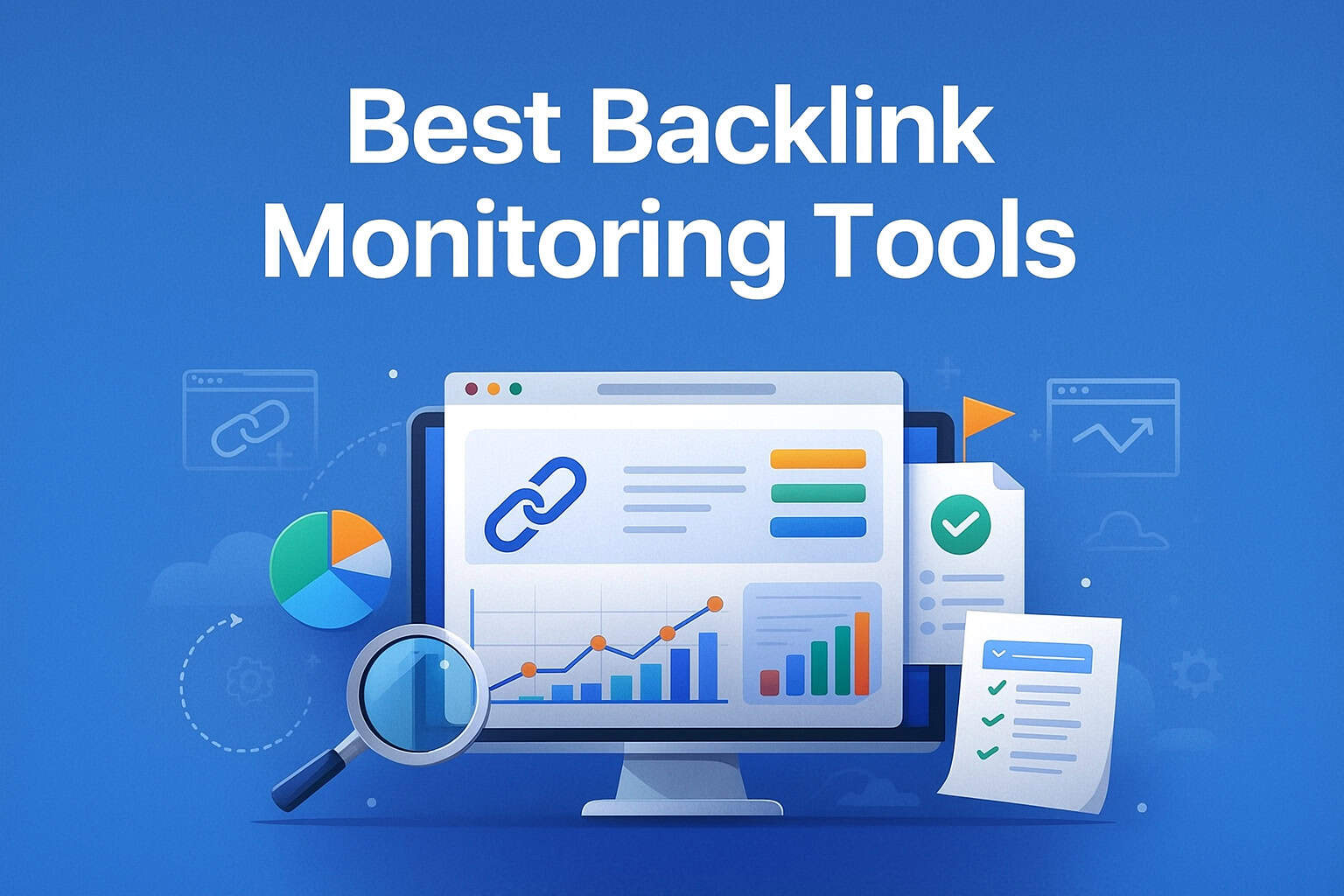
Backlink Monitoring and Management: Real-Time SEO Tracking
In the ever-evolving landscape of search engine optimization, backlink monitoring has become one of the most critical aspects of maintaining and improving your website’s search rankings. Real-time SEO tracking allows you to stay on top of your link profile changes, identify new opportunities, and respond quickly to potential threats. This comprehensive guide will walk you through everything you need to know about implementing effective backlink monitoring and management strategies.
Understanding the Importance of Real-Time Backlink Monitoring
Real-time backlink monitoring is the process of continuously tracking and analyzing the links pointing to your website as they appear, change, or disappear across the internet. Unlike traditional monthly or weekly reports, real-time monitoring provides immediate insights into your link profile dynamics, allowing you to make informed decisions quickly.
The importance of this approach cannot be overstated. Search engines like Google constantly crawl the web and update their understanding of your site’s authority based on the quality and quantity of backlinks pointing to your domain. When new high-quality links appear, your rankings can improve rapidly. Conversely, when toxic or spammy links are detected, they can negatively impact your search visibility almost immediately.
Real-time monitoring enables you to capitalize on positive changes while mitigating potential damage from harmful links. This proactive approach is essential for maintaining competitive advantage in today’s fast-paced digital environment.
Key Components of Effective Backlink Monitoring Systems
A comprehensive backlink monitoring system should include several essential components that work together to provide complete visibility into your link profile. Understanding these components will help you choose the right tools and strategies for your specific needs.
Automated Link Discovery
The foundation of any effective monitoring system is automated link discovery. This process involves continuously scanning the web to identify new backlinks as they appear. Advanced systems use sophisticated crawling algorithms that can detect new links within hours of their publication, rather than waiting days or weeks for traditional indexing processes.
Automated discovery systems should be capable of identifying links from various sources, including blog posts, news articles, directory listings, social media mentions, and forum discussions. The more comprehensive the discovery process, the better your understanding of your complete link profile.
Link Quality Assessment
Not all backlinks are created equal, and real-time monitoring systems must be able to quickly assess the quality and potential impact of newly discovered links. This assessment typically involves analyzing multiple factors including domain authority, page authority, relevance, anchor text, and link placement.
Quality assessment algorithms should flag potentially harmful links while highlighting valuable opportunities. This automated screening process saves significant time and ensures that important changes don’t go unnoticed in the constant stream of new link data.
Competitor Analysis Integration
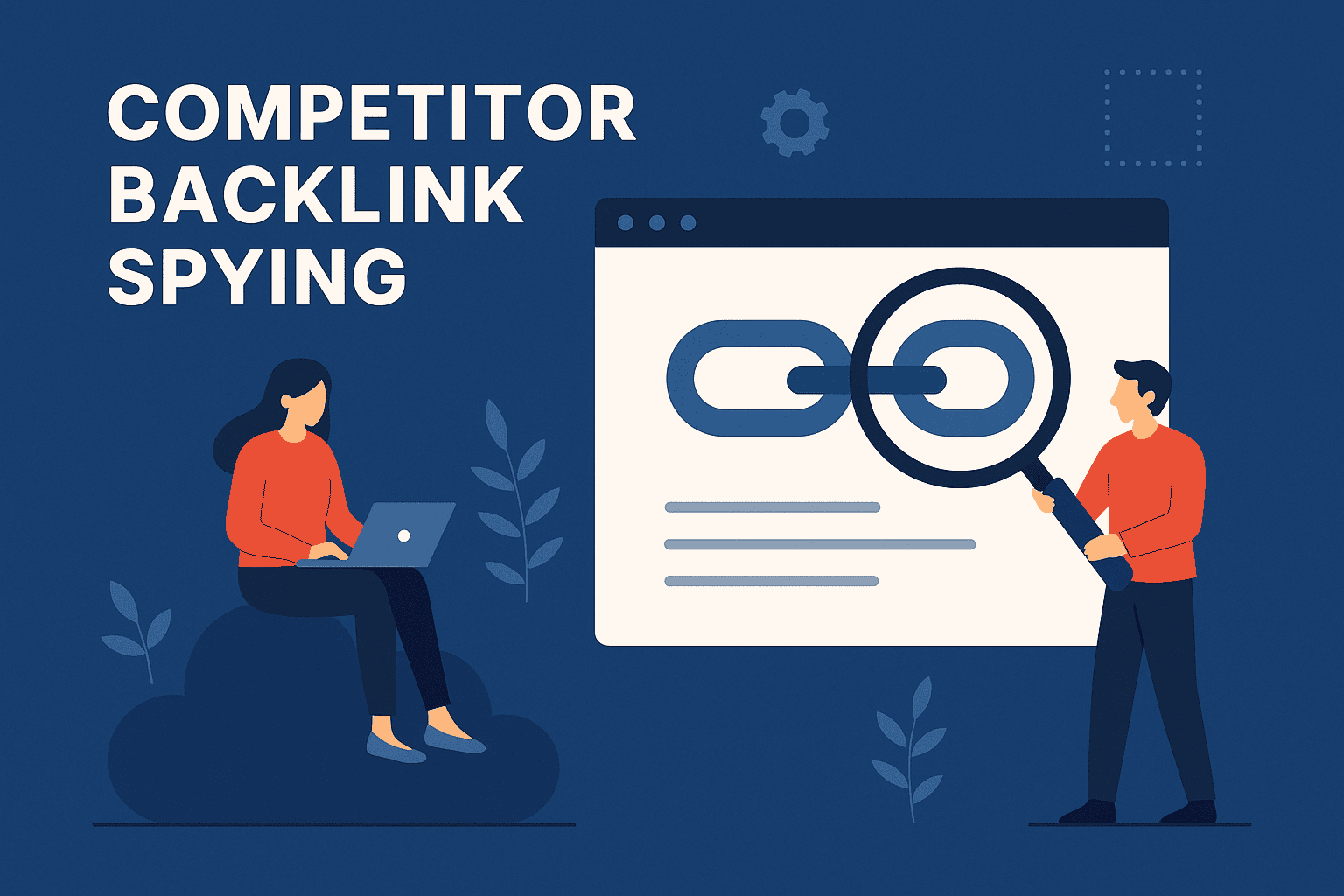
Effective backlink monitoring extends beyond your own website to include comprehensive competitor analysis. By tracking your competitors’ link acquisition patterns, you can identify new opportunities, understand industry trends, and benchmark your performance against key rivals.
Real-time competitor monitoring reveals when your competitors gain high-value links, allowing you to pursue similar opportunities or develop counter-strategies. This intelligence is invaluable for maintaining competitive positioning in search results.
Setting Up Your Real-Time Monitoring Infrastructure
Implementing effective real-time backlink monitoring requires careful planning and the right combination of tools and processes. The setup process involves several critical steps that will determine the effectiveness of your monitoring efforts.
Defining Monitoring Objectives
Before implementing any monitoring system, clearly define your objectives and key performance indicators. Are you primarily focused on identifying new link opportunities, protecting against negative SEO attacks, or tracking competitor activity? Different objectives may require different monitoring approaches and tools.
Common monitoring objectives include tracking link velocity changes, identifying high-value link prospects, monitoring brand mentions that could become links, detecting toxic link attacks, and measuring the impact of link building campaigns. Having clear objectives helps you configure monitoring systems appropriately and interpret results effectively.
Configuring Alert Systems
Real-time monitoring is only valuable if it leads to timely action. Configure alert systems that notify you immediately when significant changes occur in your link profile. These alerts should be customizable based on various criteria such as link quality, source authority, anchor text patterns, and velocity changes.
Effective alert systems balance comprehensiveness with practicality. Too many alerts can lead to notification fatigue, while too few may cause you to miss important developments. Start with conservative settings and adjust based on your team’s capacity to respond to alerts.
Advanced Monitoring Techniques and Strategies
Beyond basic link tracking, advanced monitoring techniques can provide deeper insights and more actionable intelligence. These strategies require more sophisticated tools and analysis but can significantly enhance your competitive advantage.
Anchor Text Pattern Analysis
Monitoring anchor text patterns in real-time helps identify both opportunities and potential risks. Sudden changes in anchor text distribution can indicate algorithm updates, competitor strategies, or potential negative SEO attacks. Advanced monitoring systems can track anchor text diversity, identify over-optimization risks, and suggest optimization strategies.
Pattern analysis should include tracking branded versus non-branded anchor text ratios, monitoring keyword-rich anchor text percentages, and identifying unusual spikes in specific anchor text variations. This data helps maintain natural-looking link profiles while maximizing SEO value.
Link Velocity Tracking
Link velocity refers to the rate at which your website acquires new backlinks over time. Monitoring velocity patterns helps identify the natural link acquisition rate for your industry and detect unusual spikes that might trigger algorithmic scrutiny.
Effective velocity tracking involves analyzing both your own patterns and industry benchmarks. Sudden increases in link velocity can indicate successful content marketing campaigns or potential spam attacks, while decreases might suggest the need for more aggressive link building efforts.
Geographic and Temporal Analysis
Advanced monitoring systems can analyze the geographic and temporal distribution of your backlinks, providing insights into global reach and content performance patterns. This analysis helps identify regional opportunities and optimize content timing for maximum link acquisition potential.
Geographic analysis reveals which regions are most responsive to your content and link building efforts, while temporal analysis shows optimal timing for outreach campaigns and content publication. These insights can significantly improve the efficiency of your link building strategies.
Responding to Real-Time Monitoring Data
The value of real-time monitoring lies not just in data collection but in the ability to respond quickly and effectively to changes in your link profile. Developing standardized response procedures ensures that monitoring insights translate into actionable improvements.
Positive Link Response Protocols
When monitoring systems identify high-quality new backlinks, having established response protocols helps maximize their value. These protocols might include social media amplification, relationship building with linking sites, and content optimization to support the new links.
Quick response to positive developments can amplify their impact and create opportunities for additional links from the same sources. Consider reaching out to thank linking sites, sharing their content, or proposing additional collaboration opportunities.
Negative Link Mitigation Strategies
Real-time detection of potentially harmful links enables rapid response to minimize negative impacts. Mitigation strategies should include immediate disavowal processes, outreach to remove harmful links, and documentation for future reference.
Effective mitigation requires balancing speed with accuracy. Not every low-quality link requires immediate action, but genuinely harmful links should be addressed as quickly as possible. Develop clear criteria for determining when immediate action is necessary versus when links can be addressed in regular maintenance cycles.
Integration with Broader SEO Strategies
Real-time backlink monitoring should not operate in isolation but should be integrated with your broader SEO and digital marketing strategies. This integration ensures that monitoring insights inform and enhance all aspects of your online presence.
Content Strategy Alignment
Monitoring data provides valuable insights into which types of content attract the most high-quality links. Use this information to inform your content strategy, focusing resources on content formats and topics that demonstrate strong link attraction potential.
Regular analysis of linking content can reveal patterns in successful content characteristics, optimal content length, preferred formats, and effective distribution channels. This intelligence helps optimize content creation processes for maximum link building impact.
Outreach Campaign Optimization
Real-time monitoring data can significantly enhance outreach campaign effectiveness by identifying the most responsive prospects and optimal outreach timing. Monitor which types of sites are most likely to link to your content and focus outreach efforts accordingly.
Additionally, monitoring competitor link acquisition can reveal new prospect categories and successful outreach strategies. Use this intelligence to expand your prospect lists and refine your outreach messaging for better response rates.
Measuring and Reporting Monitoring Success
Establishing clear metrics and reporting procedures ensures that your monitoring efforts contribute measurably to your SEO success. Regular reporting also helps justify monitoring investments and identify areas for improvement.
Key Performance Indicators
Effective monitoring programs should track several key performance indicators that demonstrate value and guide optimization efforts. These might include link discovery speed, quality score improvements, competitor gap analysis, and response time to negative developments.
Consider tracking metrics such as average time to link discovery, percentage of high-quality links identified, successful mitigation of negative links, and correlation between monitoring insights and ranking improvements. These metrics help demonstrate ROI and guide program enhancements.
Automated Reporting Systems
Implementing automated reporting systems ensures that stakeholders receive regular updates on monitoring activities and results. These reports should highlight key developments, trend analysis, and recommended actions based on monitoring data.
Effective reports balance detail with accessibility, providing technical teams with comprehensive data while offering executives clear summaries of performance and opportunities. Consider creating different report formats for different audiences to maximize utility and engagement.
Future-Proofing Your Monitoring Strategy
The SEO landscape continues to evolve rapidly, and effective monitoring strategies must adapt to new challenges and opportunities. Future-proofing your approach ensures continued effectiveness as search algorithms and web technologies advance.
Emerging Technology Integration
Stay informed about emerging technologies that could enhance your monitoring capabilities. Artificial intelligence and machine learning algorithms are increasingly sophisticated at identifying patterns and predicting outcomes, potentially revolutionizing backlink analysis and response strategies.
Consider how technologies like natural language processing might improve anchor text analysis, or how predictive analytics could help identify link opportunities before competitors discover them. Early adoption of effective new technologies can provide significant competitive advantages.
Algorithm Update Adaptation
Search engine algorithms continue to evolve, and monitoring strategies must adapt accordingly. Stay informed about algorithm updates and adjust monitoring parameters to align with current ranking factors and quality guidelines.
Regular review and updating of monitoring criteria ensures that your system continues to identify truly valuable links while avoiding false positives that waste time and resources. This ongoing optimization is essential for maintaining monitoring effectiveness over time.
Real-time backlink monitoring and management represents a critical component of modern SEO strategy. By implementing comprehensive monitoring systems, developing effective response protocols, and integrating monitoring insights with broader marketing efforts, you can maintain competitive advantage and achieve sustainable search ranking improvements. The investment in proper monitoring infrastructure pays dividends through improved link profile quality, faster response to opportunities and threats, and more effective overall SEO performance.
Success in backlink monitoring requires combining the right tools with strategic thinking and consistent execution. As you implement these strategies, remember that monitoring is not an end in itself but a means to achieving better search visibility and business results. Focus on actionable insights and measurable improvements to maximize the value of your monitoring investments.
For agencies looking to scale their monitoring efforts, consider exploring specialized backlink tracking tools designed for agencies that can handle multiple client accounts efficiently. Additionally, understanding how to manage expired backlinks is crucial for maintaining a healthy link profile over time. Finally, don’t overlook the importance of comprehensive backlink monitoring tools that can provide the real-time insights necessary for effective SEO management.






![Longtail Pro Moz or Majestic [Full Breakdown]](https://backlinkdesk.com/wp-content/uploads/2025/11/ChatGPT-Image-Nov-14-2025-08_30_38-AM.png)




























![How Many Outbound Links Per Blog [2025 Updated]](https://backlinkdesk.com/wp-content/uploads/2025/06/How-Many-Outbound-Links-Per-Blog.png)

![B2B and B2C Website Examples [2025 Updated]](https://backlinkdesk.com/wp-content/uploads/2025/05/B2B-and-B2C-Website-Example-.png)





![What To Do After Keyword Research [2025 Guide]](https://backlinkdesk.com/wp-content/uploads/2025/05/What-To-Do-After-Keyword-Research.png)
![Is Page Speed Really A Ranking Factor? [2025]](https://backlinkdesk.com/wp-content/uploads/2025/05/Is-Page-Speed-Really-A-Ranking-Factor.png)

















![Best Link Exchange Sites [Free & Safe] – Top 5 Picks](https://backlinkdesk.com/wp-content/uploads/2025/04/Free-Link-Exchange.png)