
Backlink Manager Software Automation: Streamline Your Link Strategy
The digital marketing landscape has evolved dramatically, and manual backlink management is no longer sustainable for businesses serious about SEO success. Backlink manager software automation represents a paradigm shift that eliminates tedious manual tasks while scaling your link building efforts with precision and intelligence.
Modern businesses generate thousands of backlinks monthly, making manual tracking and management virtually impossible. Automation software transforms this challenge into an opportunity, providing systematic workflows that handle everything from prospect identification to relationship nurturing without constant human intervention.
Understanding Backlink Manager Software Automation
Backlink manager software automation encompasses intelligent systems that handle the entire lifecycle of link building campaigns. These platforms combine artificial intelligence, machine learning, and sophisticated algorithms to identify opportunities, execute outreach campaigns, and monitor results automatically.
The core functionality extends beyond simple link tracking. Advanced automation platforms analyze domain authority, content relevance, competitor backlink profiles, and industry trends to make intelligent decisions about which opportunities to pursue. This systematic approach ensures every automated action contributes meaningfully to your SEO objectives.
Automation software operates through interconnected modules that handle different aspects of link building. Prospect discovery modules scan millions of websites to identify potential link partners based on your specific criteria. Content analysis engines evaluate the quality and relevance of potential linking pages. Outreach automation manages personalized email sequences, follow-ups, and relationship building communications.
Key Benefits of Automated Backlink Management
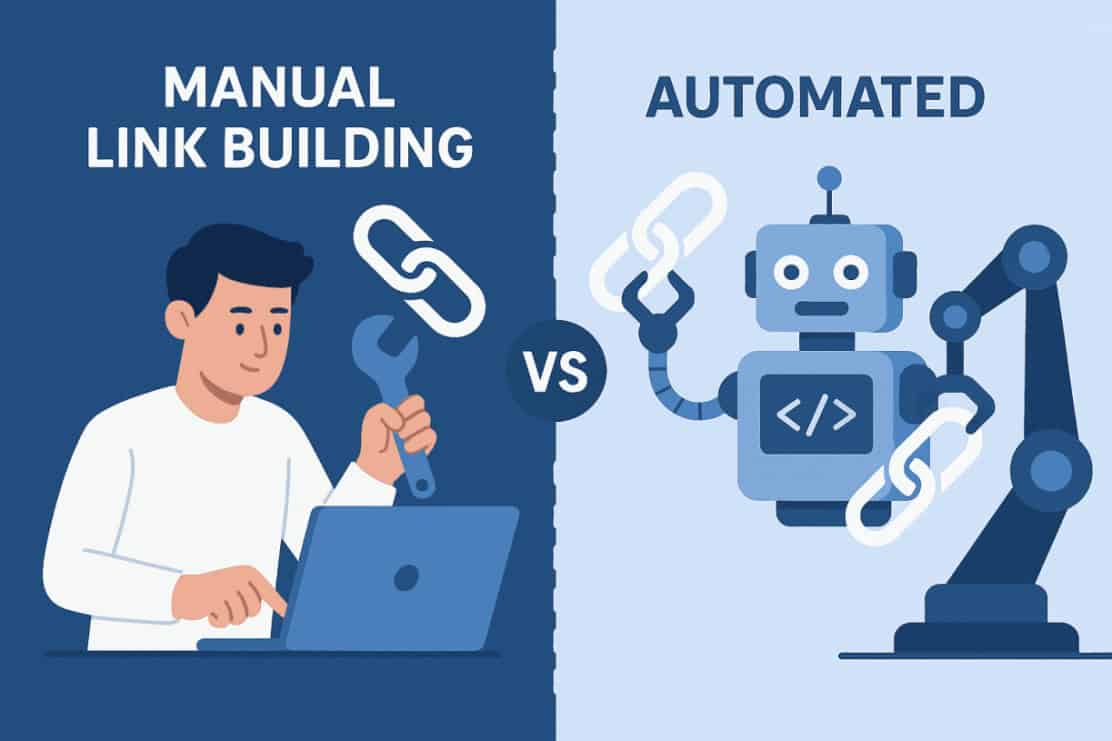
The primary advantage of automation lies in scalability. While manual link building limits you to perhaps dozens of prospects weekly, automated systems can evaluate thousands of opportunities simultaneously. This massive scale increase doesn’t compromise quality when properly configured with intelligent filtering criteria.
Time efficiency represents another crucial benefit. Tasks that previously consumed hours daily now execute automatically in the background. Your team can focus on strategic planning, content creation, and relationship building while the software handles routine prospecting, data collection, and initial outreach communications.
Consistency becomes achievable through automation. Manual processes suffer from human variability, fatigue, and inconsistent execution. Automated systems apply the same high standards to every prospect evaluation, ensuring consistent quality across all link building activities.
Data accuracy improves significantly with automated tracking and monitoring. Software systems continuously monitor backlink status, detect changes in linking page content, and alert you to potential issues before they impact your SEO performance. This proactive monitoring prevents the common problem of lost or modified backlinks going unnoticed.
Essential Features of Modern Automation Platforms
Intelligent prospect discovery forms the foundation of effective automation. Advanced platforms use machine learning algorithms to identify websites that match your target criteria while filtering out low-quality prospects automatically. These systems analyze factors like domain authority, traffic patterns, content quality, and linking behavior to score prospects accurately.
Automated outreach capabilities handle the complex task of personalized communication at scale. Modern systems craft unique messages for each prospect using dynamic content insertion, ensuring every email feels personally written while maintaining the efficiency of mass outreach. Smart scheduling optimizes send times based on recipient time zones and engagement patterns.
Comprehensive tracking and monitoring features provide real-time visibility into your entire backlink portfolio. These systems detect new backlinks automatically, monitor existing links for changes, and alert you to potential issues like broken links or removed mentions. Advanced platforms even track the SEO impact of individual backlinks over time.
Integration capabilities ensure your automation platform works seamlessly with existing marketing tools. Quality platforms integrate with CRM systems, email marketing platforms, content management systems, and analytics tools to create a unified workflow that maximizes efficiency across your entire marketing stack.
Implementing Automated Workflows
Successful automation implementation begins with clearly defined objectives and criteria. Establish specific parameters for target domains, including minimum domain authority scores, traffic thresholds, and content relevance requirements. These criteria guide the automation system’s decision-making processes and ensure alignment with your SEO strategy.
Prospect qualification workflows should include multiple filtering stages to maintain quality standards. Initial automated screening eliminates obviously unsuitable prospects based on basic metrics. Secondary evaluation considers more nuanced factors like content quality, linking patterns, and brand alignment. Final human review ensures only the highest-quality prospects receive outreach communications.
Outreach automation requires careful balance between efficiency and personalization. Develop email templates that incorporate dynamic elements like recipient name, website details, and specific content references. Create multiple template variations to avoid repetitive messaging while maintaining consistent brand voice and messaging quality.
Monitoring workflows should include both proactive and reactive elements. Proactive monitoring continuously scans for new opportunities and tracks existing backlink performance. Reactive monitoring responds to specific triggers like broken links, content changes, or competitor activity. Both elements work together to maintain optimal backlink portfolio health.
Advanced Automation Strategies
Competitor analysis automation provides continuous intelligence about your competitors’ link building activities. Advanced systems monitor competitor backlink profiles, identify new linking opportunities, and alert you to potential threats or opportunities in real-time. This competitive intelligence enables proactive strategy adjustments and opportunity capture.
Content-driven automation aligns link building with content marketing efforts. Intelligent systems identify content pieces with high link-earning potential and automatically promote them to relevant prospects. This approach leverages your existing content investments while building valuable backlinks naturally.
Relationship nurturing automation maintains ongoing communication with link partners and prospects. Automated systems can schedule periodic check-ins, share relevant content updates, and maintain relationships that lead to additional linking opportunities over time. This long-term approach builds sustainable link building partnerships.
Performance optimization automation continuously refines your link building approach based on results data. Machine learning algorithms analyze which outreach messages generate the highest response rates, which types of websites provide the most valuable backlinks, and which timing strategies optimize engagement. These insights automatically improve future campaigns.
Quality Control in Automated Systems
Maintaining quality standards within automated systems requires sophisticated filtering and validation mechanisms. Multi-layered quality checks ensure only legitimate, high-value opportunities receive attention while automatically excluding spammy or irrelevant prospects.
Content quality assessment algorithms evaluate potential linking pages for relevance, authority, and user value. These systems analyze factors like content depth, writing quality, user engagement metrics, and topical relevance to ensure backlinks come from genuinely valuable sources.
Link quality scoring provides objective evaluation of potential backlink value. Advanced algorithms consider domain authority, page authority, linking page relevance, anchor text context, and competitive landscape factors to calculate comprehensive quality scores for each opportunity.
Automated compliance monitoring ensures all link building activities adhere to search engine guidelines and industry best practices. These systems flag potentially problematic practices, monitor for over-optimization, and maintain healthy link profile diversity automatically.
Measuring Automation Success
Comprehensive analytics provide clear visibility into automation performance across multiple dimensions. Track traditional metrics like backlink acquisition rates, domain authority improvements, and search ranking changes alongside automation-specific metrics like prospect conversion rates and outreach efficiency.
Time savings measurement quantifies the efficiency gains from automation implementation. Compare manual process completion times with automated equivalents to demonstrate clear ROI from automation investments. Include both direct time savings and indirect benefits like improved consistency and reduced errors.
Quality metrics ensure automation maintains or improves link building standards. Monitor average domain authority of acquired backlinks, content relevance scores, and long-term backlink retention rates to verify that automation enhances rather than compromises quality.
Revenue impact analysis connects automation improvements to business outcomes. Track organic traffic growth, lead generation improvements, and revenue attribution to demonstrate the business value of automated link building efforts.
Common Automation Pitfalls and Solutions
Over-automation represents a significant risk when businesses attempt to automate every aspect of link building without maintaining human oversight. The solution involves identifying tasks that benefit from human creativity and relationship building while automating routine, data-driven activities.
Generic messaging problems occur when automation systems send impersonal, obviously templated communications. Address this issue by investing in sophisticated personalization capabilities and maintaining multiple message variations that feel authentic and relevant to recipients.
Quality degradation can result from insufficient filtering criteria or poorly configured automation rules. Prevent this problem by implementing robust quality control measures, regular system audits, and continuous refinement of automation parameters based on performance data.
Integration challenges arise when automation platforms don’t work seamlessly with existing marketing tools and workflows. Solve these issues by prioritizing platforms with strong integration capabilities and investing time in proper setup and configuration.
Future of Backlink Automation
Artificial intelligence advancement will continue enhancing automation capabilities, enabling more sophisticated prospect evaluation, content analysis, and relationship management. Future systems will better understand context, intent, and relationship nuances that currently require human judgment.
Predictive analytics will enable proactive link building strategies that anticipate opportunities before they become obvious to competitors. Advanced algorithms will identify emerging trends, content gaps, and relationship opportunities that create competitive advantages.
Integration depth will expand to create more seamless workflows between link building automation and other marketing activities. Future platforms will coordinate automatically with content marketing, social media, and paid advertising efforts to create unified, multi-channel marketing campaigns.
Personalization sophistication will reach new levels as automation systems better understand individual prospect preferences, communication styles, and decision-making patterns. This enhanced personalization will improve response rates while maintaining the efficiency benefits of automation.
Choosing the Right Automation Platform
Platform evaluation should focus on core functionality alignment with your specific link building objectives and constraints. Consider factors like target market focus, integration capabilities, scalability options, and support quality when evaluating different automation solutions.
Feature prioritization helps identify which automation capabilities provide the greatest value for your specific situation. Backlink tracking capabilities might be most important for agencies managing multiple clients, while automated outreach might be the priority for in-house teams with limited resources.
Cost-benefit analysis should consider both direct platform costs and indirect implementation expenses like training, setup time, and integration work. Factor in the value of time savings, quality improvements, and scalability benefits when calculating total return on investment.
Trial and testing periods allow hands-on evaluation of automation platforms before making long-term commitments. Use trial periods to test core functionality, evaluate user interface quality, and assess integration capabilities with your existing tools and workflows.
Implementation Best Practices
Gradual rollout strategies minimize risk while allowing teams to adapt to new automated workflows. Start with limited automation of specific tasks before expanding to comprehensive automation of entire link building processes. This approach enables learning and refinement without disrupting existing successful activities.
Team training ensures everyone understands how to work effectively with automation tools. Provide comprehensive training on platform capabilities, quality standards, and monitoring procedures. Regular training updates keep teams current with new features and best practices.
Documentation and process mapping create clear guidelines for automation management and optimization. Document automation rules, quality criteria, escalation procedures, and performance benchmarks to ensure consistent execution and facilitate team collaboration.
Regular optimization reviews identify opportunities to improve automation performance and adapt to changing market conditions. Schedule monthly reviews of automation metrics, quality standards, and strategic alignment to ensure continued effectiveness and relevance.
Advanced Integration Strategies
CRM integration creates seamless workflows between link building automation and broader relationship management activities. Connect automation platforms with customer relationship management systems to maintain comprehensive records of all prospect interactions and relationship history.
Content management integration enables automated promotion of new content to relevant link building prospects. When new content publishes, automation systems can identify appropriate prospects and initiate targeted outreach campaigns that leverage fresh, relevant content for link building opportunities.
Analytics integration provides comprehensive visibility into link building impact across all marketing channels. Connect automation platforms with Google Analytics, search console data, and other analytics tools to track the complete customer journey from backlink acquisition to conversion.
Social media integration amplifies link building efforts by coordinating automated outreach with social media engagement. Systems can identify prospects who engage with your social content and prioritize them for link building outreach, creating warmer, more receptive audiences.
Scaling Automation Efforts
Systematic scaling requires careful planning to maintain quality while increasing volume. Develop clear protocols for expanding automation parameters, adding new prospect sources, and increasing outreach volumes without overwhelming your team or compromising relationship quality.
Resource allocation planning ensures adequate support for scaled automation efforts. Consider factors like increased email volume, higher prospect evaluation requirements, and expanded monitoring needs when planning team resources and platform capabilities.
Quality maintenance becomes more challenging at scale, requiring robust systems and processes to ensure standards don’t deteriorate with increased volume. Implement automated quality checks, regular auditing procedures, and clear escalation protocols to maintain high standards across all automation activities.
Performance monitoring must evolve to handle increased complexity and volume of automated activities. Develop comprehensive dashboards, automated reporting systems, and alert mechanisms that provide clear visibility into automation performance at scale.
The evolution toward automated backlink software represents more than a technological upgrade—it’s a strategic transformation that enables businesses to compete effectively in increasingly competitive digital markets. Success requires thoughtful implementation, continuous optimization, and strategic alignment with broader marketing objectives.
Organizations that embrace intelligent automation while maintaining focus on relationship building and quality will achieve sustainable competitive advantages. The future belongs to businesses that can combine the efficiency of automation with the authenticity of human relationship building, creating scalable systems that drive meaningful SEO results.
Investment in backlink manager software automation pays dividends through improved efficiency, enhanced quality, and sustainable scalability. As search engines continue evolving and competition intensifies, automated systems provide the foundation for long-term link building success. The question isn’t whether to automate, but how quickly you can implement intelligent automation that transforms your link building capabilities.
The journey toward comprehensive automation begins with understanding your current challenges, defining clear objectives, and selecting platforms that align with your strategic goals. With proper implementation and ongoing optimization, backlink management tools become powerful engines that drive consistent, scalable SEO success while freeing your team to focus on strategic initiatives that require human creativity and insight.



![Longtail Pro Moz or Majestic [Full Breakdown]](https://backlinkdesk.com/wp-content/uploads/2025/11/ChatGPT-Image-Nov-14-2025-08_30_38-AM.png)














![How Many Outbound Links Per Blog [2025 Updated]](https://backlinkdesk.com/wp-content/uploads/2025/06/How-Many-Outbound-Links-Per-Blog.png)

![B2B and B2C Website Examples [2025 Updated]](https://backlinkdesk.com/wp-content/uploads/2025/05/B2B-and-B2C-Website-Example-.png)

![What To Do After Keyword Research [2025 Guide]](https://backlinkdesk.com/wp-content/uploads/2025/05/What-To-Do-After-Keyword-Research.png)
![Is Page Speed Really A Ranking Factor? [2025]](https://backlinkdesk.com/wp-content/uploads/2025/05/Is-Page-Speed-Really-A-Ranking-Factor.png)












![Best Link Exchange Sites [Free & Safe] – Top 5 Picks](https://backlinkdesk.com/wp-content/uploads/2025/04/Free-Link-Exchange.png)