
Backlink Management Platform Automation: Enterprise Link Strategy
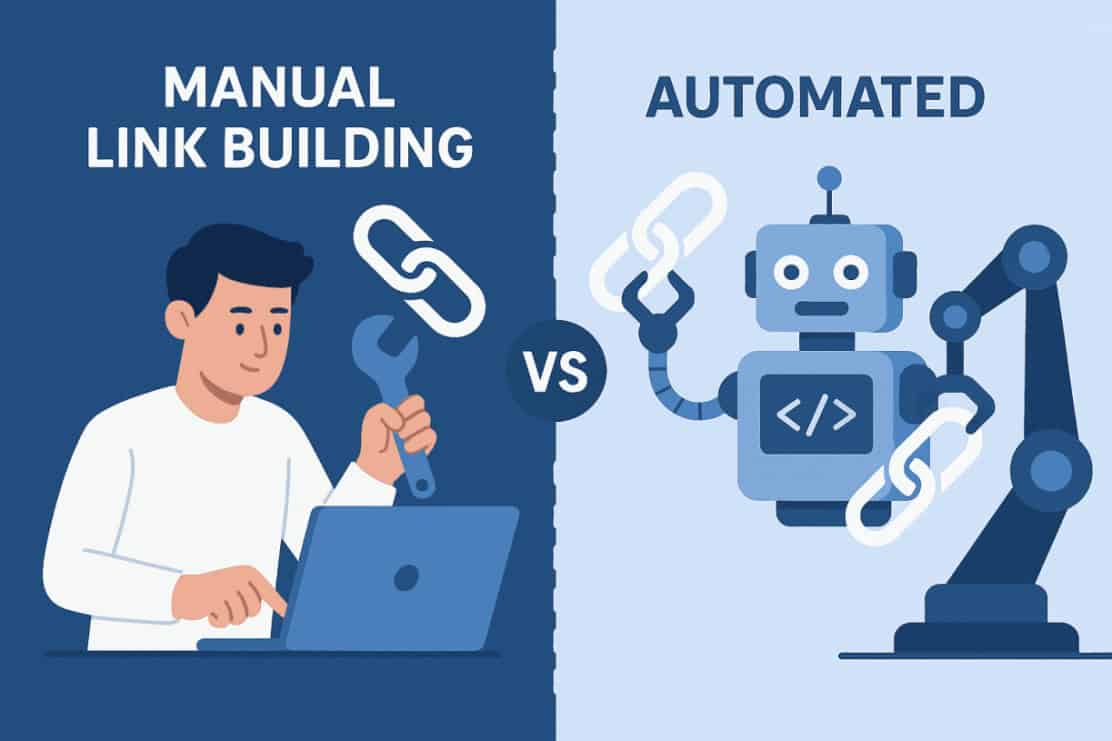
Enterprise organizations face unique challenges when building and maintaining backlink profiles at scale. Traditional manual link building approaches quickly become inefficient and resource-intensive as businesses grow. Modern backlink management platform automation offers a sophisticated solution that combines strategic planning with technological efficiency to deliver consistent, high-quality link acquisition results.
The evolution of enterprise link strategy has shifted dramatically toward automation-first approaches that maintain quality while achieving scale. Organizations implementing comprehensive backlink automation systems report significant improvements in both acquisition velocity and link quality metrics, with many achieving 5-20 high-authority backlinks monthly through systematic processes.
Understanding Enterprise Backlink Management Platform Architecture
Enterprise backlink management platforms operate through sophisticated multi-layered architectures designed to handle complex organizational requirements. These systems integrate prospect identification, outreach automation, content creation workflows, and performance tracking into unified ecosystems that scale with organizational growth.
The foundation of effective enterprise automation lies in intelligent prospect discovery engines that continuously identify high-authority linking opportunities across relevant industry verticals. Advanced platforms utilize machine learning algorithms to analyze domain authority patterns, content relevance scores, and historical linking behaviors to prioritize prospects with the highest conversion potential.
Content automation represents another critical component of enterprise platforms. These systems generate targeted articles and outreach materials that align with specific prospect requirements while maintaining brand consistency across all communications. The integration of natural language processing ensures that automated content maintains human-like quality and relevance.
Workflow orchestration capabilities enable enterprise teams to design complex multi-step campaigns that adapt based on prospect responses and engagement patterns. This dynamic approach ensures that automation enhances rather than replaces human strategic thinking, creating hybrid systems that leverage both technological efficiency and human insight.
Strategic Implementation of Automated Link Acquisition
Successful enterprise backlink automation begins with comprehensive strategic planning that aligns link acquisition goals with broader business objectives. Organizations must establish clear quality thresholds, target authority ranges, and relevance criteria before implementing automated systems to ensure consistent results that support long-term SEO goals.
The implementation process typically involves configuring prospect filtering parameters that automatically identify websites meeting specific authority and relevance requirements. Enterprise platforms allow for sophisticated filtering based on domain rating, traffic patterns, content categories, and geographic targeting to ensure that automated outreach focuses on the most valuable opportunities.
Campaign sequencing represents a crucial element of strategic automation implementation. Effective enterprise systems deploy multi-touch outreach sequences that adapt based on prospect behavior and response patterns. These sequences typically include initial contact, follow-up communications, and relationship nurturing touchpoints that maintain engagement throughout extended decision cycles.
Quality assurance mechanisms ensure that automated processes maintain enterprise-grade standards throughout the link acquisition process. Advanced platforms incorporate approval workflows, content review systems, and performance monitoring tools that enable teams to maintain oversight while benefiting from automation efficiency.
Scaling Link Profile Development Through Intelligent Automation
Enterprise organizations require backlink acquisition systems that scale proportionally with business growth and market expansion. Intelligent automation platforms address this need through adaptive algorithms that increase prospect identification and outreach capacity based on organizational requirements and performance targets.
The scalability of modern backlink management platforms extends beyond simple volume increases to encompass sophisticated targeting refinements and campaign optimization capabilities. As organizations gather more data about successful link acquisition patterns, automated systems learn and adapt their approaches to improve conversion rates and link quality over time.
Geographic and market expansion scenarios benefit significantly from automated backlink platforms that can rapidly identify and engage prospects in new territories. These systems leverage global databases and localization capabilities to maintain consistent quality standards while adapting messaging and approach strategies for different markets and cultural contexts.
Resource allocation optimization represents another key scaling advantage of enterprise automation platforms. These systems automatically distribute outreach efforts across team members, manage capacity constraints, and prioritize high-value opportunities to maximize return on investment for link building initiatives.
Advanced Targeting and Prospect Identification Systems
Enterprise backlink management platforms incorporate sophisticated targeting systems that go far beyond basic domain authority metrics. These advanced identification engines analyze content alignment, audience overlap, linking patterns, and competitive landscapes to identify prospects with the highest potential for successful link placement.
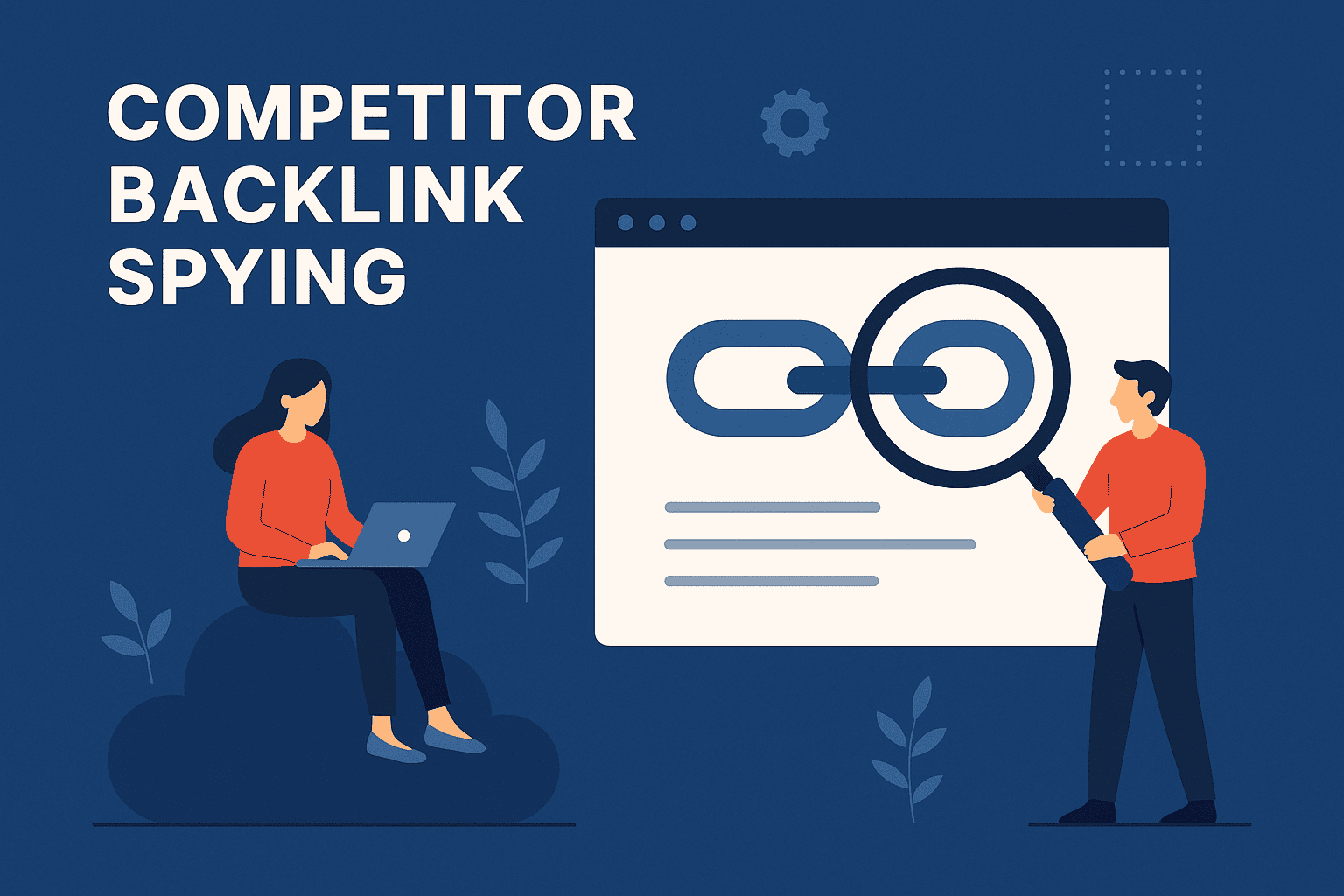
Competitive intelligence integration enables automated systems to identify linking opportunities based on competitor backlink profiles and industry relationship patterns. This approach ensures that enterprise organizations can systematically target the same high-authority sources that benefit their competitors while identifying untapped opportunities within their market segments.
Content gap analysis capabilities allow automated platforms to identify websites that would benefit from specific types of content or resources. By analyzing content libraries and identifying complementary topics, these systems can prioritize prospects who are most likely to find value in proposed link partnerships and content collaborations.
Relationship mapping features help enterprise teams understand existing connections and warm introduction opportunities within their target prospect lists. These capabilities leverage social media data, professional networks, and existing business relationships to improve outreach success rates and reduce cold contact requirements.
Content Creation and Personalization Automation
Modern enterprise backlink platforms integrate sophisticated content creation capabilities that generate personalized outreach materials and supporting content at scale. These systems analyze prospect websites, content preferences, and industry trends to create highly relevant and engaging materials that improve response rates and link placement success.
Dynamic content generation engines create unique articles, resources, and supporting materials tailored to specific prospect requirements and preferences. Advanced platforms utilize natural language processing and machine learning to ensure that generated content maintains high quality standards while addressing the specific interests and needs of target websites.
Personalization algorithms analyze prospect behavior patterns, content preferences, and communication styles to customize outreach messaging for maximum impact. These systems can adapt tone, messaging focus, and value propositions based on prospect characteristics and historical response patterns across similar organizations.
Brand consistency management ensures that all automated content creation maintains enterprise brand standards and messaging guidelines. Advanced platforms incorporate brand voice analysis and style guide enforcement to ensure that scaled content production never compromises brand integrity or professional presentation standards.
Performance Monitoring and Analytics Integration
Enterprise backlink management platforms provide comprehensive analytics and monitoring capabilities that enable organizations to track performance across multiple dimensions and optimize their automation strategies based on data-driven insights. These systems integrate with existing business intelligence tools and SEO platforms to provide holistic performance visibility.
Real-time performance dashboards display key metrics including outreach response rates, link placement success rates, domain authority distributions, and campaign ROI calculations. These dashboards enable enterprise teams to monitor automation performance and identify optimization opportunities as they emerge.
Attribution tracking capabilities connect link acquisition activities to broader business outcomes including organic traffic growth, keyword ranking improvements, and conversion rate impacts. This comprehensive attribution enables organizations to demonstrate the business value of their automated backlink strategies and justify continued investment in platform capabilities.
Predictive analytics features analyze historical performance data to forecast future link acquisition potential and identify trends that may impact campaign effectiveness. These insights enable enterprise teams to proactively adjust their automation strategies and maintain consistent performance as market conditions evolve.
Integration with Enterprise SEO Ecosystems
Successful enterprise backlink automation requires seamless integration with existing SEO tools, content management systems, and business intelligence platforms. Modern backlink management platforms offer extensive API capabilities and pre-built integrations that enable organizations to incorporate automated link building into their broader digital marketing ecosystems.
CRM integration capabilities ensure that backlink outreach activities align with broader relationship management strategies and sales initiatives. These integrations prevent communication conflicts and enable organizations to leverage existing business relationships for link building opportunities while maintaining professional relationship boundaries.
Content management system connections enable automated platforms to access existing content libraries and identify link building opportunities that leverage previously created resources. This integration maximizes the value of existing content investments while reducing the resource requirements for supporting link acquisition campaigns.
SEO platform integration provides automated backlink systems with access to keyword research data, competitive intelligence, and performance tracking capabilities that inform targeting and strategy decisions. These connections ensure that link acquisition activities align with broader SEO strategies and contribute to overall organic search performance goals.
Quality Assurance and Risk Management
Enterprise organizations require robust quality assurance and risk management capabilities within their automated backlink systems to protect brand reputation and ensure compliance with search engine guidelines. Advanced platforms incorporate multiple layers of quality control and risk assessment to maintain high standards throughout automated processes.
Automated quality scoring systems evaluate potential link opportunities based on multiple risk factors including domain authority, content relevance, spam indicators, and historical penalty patterns. These systems automatically filter out high-risk opportunities while flagging borderline cases for human review and decision-making.
Compliance monitoring capabilities ensure that all automated outreach and link building activities adhere to search engine guidelines and industry best practices. These systems track guideline updates and automatically adjust campaign parameters to maintain compliance as search engine policies evolve.
Reputation management features monitor brand mentions and link placement contexts to ensure that automated link building activities enhance rather than compromise brand reputation. Advanced platforms provide alerts and intervention capabilities when potential reputation risks are identified through automated monitoring systems.
ROI Optimization and Resource Allocation
Enterprise backlink management platforms incorporate sophisticated ROI optimization capabilities that enable organizations to maximize the return on their link building investments while efficiently allocating resources across multiple campaigns and market segments. These systems analyze performance data to identify the most cost-effective strategies and automatically adjust resource allocation accordingly.
Cost-per-acquisition tracking provides detailed insights into the resource requirements and success rates associated with different types of link building campaigns. This data enables enterprise teams to focus their automation efforts on the most efficient strategies while identifying areas where additional investment or strategy refinement may be beneficial.
Resource utilization analytics help organizations understand how their automated systems are using available capacity and identify opportunities to improve efficiency or scale operations. These insights enable better planning and resource allocation decisions that support sustainable growth in link acquisition capabilities.
Competitive benchmarking features compare automated link building performance against industry standards and competitor activities to ensure that enterprise organizations maintain competitive advantages in their link acquisition strategies. These comparisons inform strategy adjustments and investment priorities that support market leadership positions.
Future-Proofing Enterprise Link Building Strategies
The landscape of enterprise link building continues to evolve as search engines refine their algorithms and new technologies emerge. Successful organizations implement backlink management platforms that can adapt to these changes while maintaining consistent performance and quality standards.
Artificial intelligence integration represents a significant opportunity for enhancing enterprise backlink automation capabilities. Advanced AI systems can analyze vast amounts of data to identify subtle patterns and opportunities that traditional rule-based systems might miss, leading to improved targeting accuracy and higher success rates.
Machine learning capabilities enable automated platforms to continuously improve their performance based on historical results and changing market conditions. These systems learn from successful campaigns and adapt their approaches to maintain effectiveness as competitive landscapes and search engine preferences evolve.
The integration of emerging technologies such as natural language processing and predictive analytics will continue to enhance the sophistication and effectiveness of enterprise backlink management platforms. Organizations that invest in adaptable platforms position themselves to benefit from these technological advances as they become available.
Measuring Long-Term Success and Strategic Impact
Enterprise backlink automation success extends beyond immediate link acquisition metrics to encompass long-term strategic impact on organic search performance, brand authority, and business growth. Comprehensive measurement frameworks evaluate automation effectiveness across multiple time horizons and business impact dimensions.
Long-term tracking capabilities monitor the sustained value of acquired backlinks over extended periods, including their impact on domain authority growth, keyword ranking improvements, and organic traffic development. This longitudinal analysis provides insights into the compound benefits of consistent automated link building efforts.
Strategic alignment assessment ensures that automated backlink activities continue to support broader business objectives and market positioning goals. Regular evaluation of link profile development against strategic priorities enables organizations to adjust their automation strategies as business focus areas evolve.
The measurement of automation efficiency improvements over time demonstrates the learning and optimization capabilities of enterprise platforms. Organizations can track how their systems become more effective at identifying opportunities, improving response rates, and reducing resource requirements as they accumulate experience and data.
Enterprise backlink management platform automation represents a fundamental shift in how organizations approach link building at scale. By combining strategic planning with technological sophistication, these systems enable consistent acquisition of high-quality backlinks while optimizing resource utilization and maintaining quality standards. Success requires careful platform selection, strategic implementation, and ongoing optimization based on performance data and evolving market conditions.
Organizations implementing comprehensive automation strategies typically achieve significant improvements in both link acquisition velocity and quality metrics. The key lies in selecting platforms that align with enterprise requirements while providing the flexibility and scalability needed to support long-term growth objectives. As the technology continues to evolve, early adopters of sophisticated automation platforms will maintain competitive advantages in organic search performance and market visibility.
The future of enterprise link building belongs to organizations that successfully integrate automation capabilities with strategic thinking and quality management. By leveraging the power of automated backlink software while maintaining human oversight and strategic direction, enterprises can achieve sustainable competitive advantages in their digital marketing efforts. The combination of advanced tracking capabilities and intelligent automation creates powerful systems that deliver consistent results while adapting to changing market conditions and search engine requirements.
Investment in enterprise backlink management platform automation represents a strategic decision that impacts long-term organic search performance and competitive positioning. Organizations that approach this investment with clear objectives, comprehensive planning, and commitment to ongoing optimization will realize significant returns through improved search visibility, increased organic traffic, and enhanced market authority. The integration of automation technology with strategic expertise creates sustainable competitive advantages that compound over time, making early investment in sophisticated platforms a critical component of successful enterprise SEO strategies.
The evolution toward automation-first link building strategies reflects broader trends in digital marketing toward efficiency, scalability, and data-driven decision making. Enterprise organizations that embrace these trends while maintaining focus on quality and strategic alignment will be best positioned to succeed in increasingly competitive digital markets. The combination of technological capability and strategic insight creates opportunities for sustainable growth in organic search performance and market visibility that support broader business objectives and competitive positioning goals.
As search engines continue to refine their algorithms and competitive landscapes evolve, the importance of sophisticated, adaptable backlink management systems will only increase. Organizations investing in comprehensive automation platforms today are positioning themselves for sustained success in the evolving digital marketing landscape. The key to maximizing this investment lies in selecting platforms that combine current capabilities with future adaptability, ensuring that automation strategies remain effective as market conditions and technological capabilities continue to advance.
Understanding the strategic importance of balancing automation with manual oversight ensures that enterprise organizations can leverage technology while maintaining the human insight and strategic thinking that drive long-term success. This balanced approach creates sustainable competitive advantages that support business growth and market leadership in increasingly complex digital environments.



![Longtail Pro Moz or Majestic [Full Breakdown]](https://backlinkdesk.com/wp-content/uploads/2025/11/ChatGPT-Image-Nov-14-2025-08_30_38-AM.png)














![How Many Outbound Links Per Blog [2025 Updated]](https://backlinkdesk.com/wp-content/uploads/2025/06/How-Many-Outbound-Links-Per-Blog.png)

![B2B and B2C Website Examples [2025 Updated]](https://backlinkdesk.com/wp-content/uploads/2025/05/B2B-and-B2C-Website-Example-.png)

![What To Do After Keyword Research [2025 Guide]](https://backlinkdesk.com/wp-content/uploads/2025/05/What-To-Do-After-Keyword-Research.png)
![Is Page Speed Really A Ranking Factor? [2025]](https://backlinkdesk.com/wp-content/uploads/2025/05/Is-Page-Speed-Really-A-Ranking-Factor.png)
















![Best Link Exchange Sites [Free & Safe] – Top 5 Picks](https://backlinkdesk.com/wp-content/uploads/2025/04/Free-Link-Exchange.png)