
Monitor and Manage Backlinks: Complete SEO Strategy
Your backlink profile is one of the most critical factors determining your website’s search engine rankings, yet many businesses treat it as a “set it and forget it” component of their SEO strategy. This approach can be costly. Without proper monitoring and management, your carefully built link portfolio can deteriorate over time, toxic links can accumulate, and valuable opportunities can slip through the cracks.
Effective backlink monitoring and management involves systematically tracking your entire link profile, identifying potential issues before they impact your rankings, and maintaining a healthy balance of high-quality links that support your SEO objectives. This comprehensive approach ensures your link-building investments continue delivering results while protecting your site from potential penalties.
Understanding Backlink Profile Health
A healthy backlink profile exhibits several key characteristics that search engines value. First, it demonstrates natural link acquisition patterns with a diverse mix of anchor text, referring domains, and link types. The profile should show consistent growth over time rather than sudden spikes that might indicate manipulative practices.
Quality indicators include links from authoritative domains within your industry, editorial links from reputable publications, and contextual links that provide genuine value to users. The ratio of dofollow to nofollow links should appear natural, typically favoring dofollow links while maintaining a reasonable percentage of nofollow links that occur organically.
Geographic distribution also matters, especially for businesses targeting specific regions. A local business should have a strong foundation of local and regional links, while international companies benefit from geographically diverse link profiles that reflect their global presence.
Link velocity represents another crucial health metric. Sustainable link acquisition follows predictable patterns based on content publication schedules, marketing campaigns, and seasonal factors. Dramatic fluctuations in link acquisition rates often signal either aggressive link building or potential link losses that require investigation.
Essential Backlink Monitoring Metrics
Domain Authority and Page Authority metrics provide baseline measurements for evaluating link quality. While these metrics shouldn’t be the sole determining factors, they offer useful benchmarks for comparing potential link opportunities and tracking profile improvements over time.
Anchor text distribution reveals how naturally your links appear to search engines. Over-optimization of exact-match anchor text can trigger penalties, while under-optimization may limit ranking potential. The ideal distribution includes branded anchors, partial matches, generic terms, and naked URLs in proportions that reflect natural linking patterns.
Link context and placement significantly impact link value. Links embedded within relevant content typically carry more weight than sidebar or footer links. The surrounding text, page topic relevance, and user engagement metrics all contribute to overall link quality assessments.
Referring domain diversity prevents over-reliance on any single source. A robust profile includes links from various domain types: news sites, industry publications, educational institutions, business directories, and relevant blogs. This diversity demonstrates broad recognition and reduces vulnerability to individual site changes.
Link freshness tracking identifies when links are gained or lost, enabling rapid response to significant changes. Recent links often carry more weight than older ones, making ongoing acquisition essential for maintaining competitive positions.
Setting Up Comprehensive Monitoring Systems
Effective monitoring begins with establishing baseline measurements of your current backlink profile. Document all existing links, their sources, anchor text, and quality metrics. This foundation enables accurate tracking of future changes and helps identify trends over time.
Automated monitoring tools should check for new links daily while conducting comprehensive profile audits weekly. Set up alerts for significant changes such as large numbers of new links, substantial link losses, or sudden shifts in anchor text distribution patterns.
Competitor monitoring provides valuable context for your own profile performance. Track competitors’ link acquisition strategies, identify their most valuable link sources, and monitor their profile changes to spot emerging opportunities or industry trends.
Integration with analytics platforms enables correlation between link changes and traffic or ranking fluctuations. This connection helps quantify the impact of specific links and guides future acquisition priorities.
Regular reporting schedules ensure consistent monitoring without overwhelming daily operations. Monthly comprehensive reports combined with weekly summary updates provide adequate oversight while maintaining focus on other SEO activities.
Identifying and Managing Toxic Backlinks
Toxic backlinks pose serious threats to your site’s search engine performance. These problematic links typically originate from low-quality directories, link farms, gambling sites, adult content sites, or other sources that search engines consider spammy or irrelevant.
Common toxic link characteristics include irrelevant anchor text, links from unrelated industries, excessive reciprocal linking, and links from sites with thin or duplicate content. Links from sites with unusual traffic patterns, suspicious domain registration information, or clear signs of artificial manipulation also warrant concern.
The disavow process provides a mechanism for telling search engines to ignore specific harmful links. However, this tool should be used judiciously, as incorrectly disavowing valuable links can harm your rankings. Focus on clearly toxic links while avoiding the temptation to disavow every low-authority link.
Before disavowing, attempt to remove toxic links through direct outreach to webmasters. Many site owners will remove problematic links when politely requested, especially if you explain the mutual benefits of maintaining clean link profiles.
Document all toxic link management activities, including removal requests, responses, and disavow submissions. This documentation proves due diligence if manual penalties occur and helps track the effectiveness of cleanup efforts over time.
Competitor Backlink Analysis and Intelligence
Competitor analysis reveals valuable insights about successful link-building strategies within your industry. Identify your top-ranking competitors and analyze their backlink profiles to understand what types of links drive their success.
Focus on competitors’ most authoritative links, particularly those from industry publications, news sites, and influential blogs. These high-value links often represent replicable opportunities if you can create similar or superior content that merits editorial coverage.
Gap analysis identifies link opportunities your competitors have secured but you haven’t pursued. Prioritize these opportunities based on link quality, relevance, and acquisition difficulty to maximize your outreach efficiency.
Monitor competitors’ new link acquisitions to spot emerging opportunities quickly. Many link sources that accept one industry participant may be open to featuring others, especially if you can offer unique perspectives or superior resources.
Track competitors’ link losses to identify potential opportunities. Sites that previously linked to competitors but removed those links may be updating their content and could be receptive to new link suggestions.
Link Reclamation and Recovery Strategies
Link reclamation focuses on recovering lost links and converting mentions into active links. Brand mentions without links represent immediate opportunities since the site already recognizes your value enough to mention you.
Broken link recovery involves identifying when previously active links become broken due to site restructuring, content removal, or technical issues. Contact webmasters to suggest updated URLs or alternative pages that maintain the link’s original purpose.
Image and content attribution links often go missing when other sites use your resources without proper linking. Monitor for unauthorized use of your content and request appropriate attribution links that benefit both parties.
Relationship-based recovery leverages existing connections with industry contacts, customers, and partners. These relationships often yield the highest success rates for link recovery efforts since mutual trust already exists.
Systematic outreach campaigns for link reclamation should prioritize high-authority opportunities while maintaining professional, helpful communication that focuses on mutual benefits rather than one-sided requests.
Advanced Monitoring Techniques and Automation
API integrations enable custom monitoring solutions tailored to your specific needs. Combine data from multiple sources to create comprehensive dashboards that track all relevant metrics in real-time.
Machine learning algorithms can identify patterns in your backlink data that might not be apparent through manual analysis. These systems can predict which types of links are most likely to drive rankings improvements and flag unusual patterns that warrant investigation.
Automated reporting systems ensure stakeholders receive regular updates without requiring manual report generation. Customize reports for different audiences, providing detailed technical information for SEO teams while offering high-level summaries for executives.
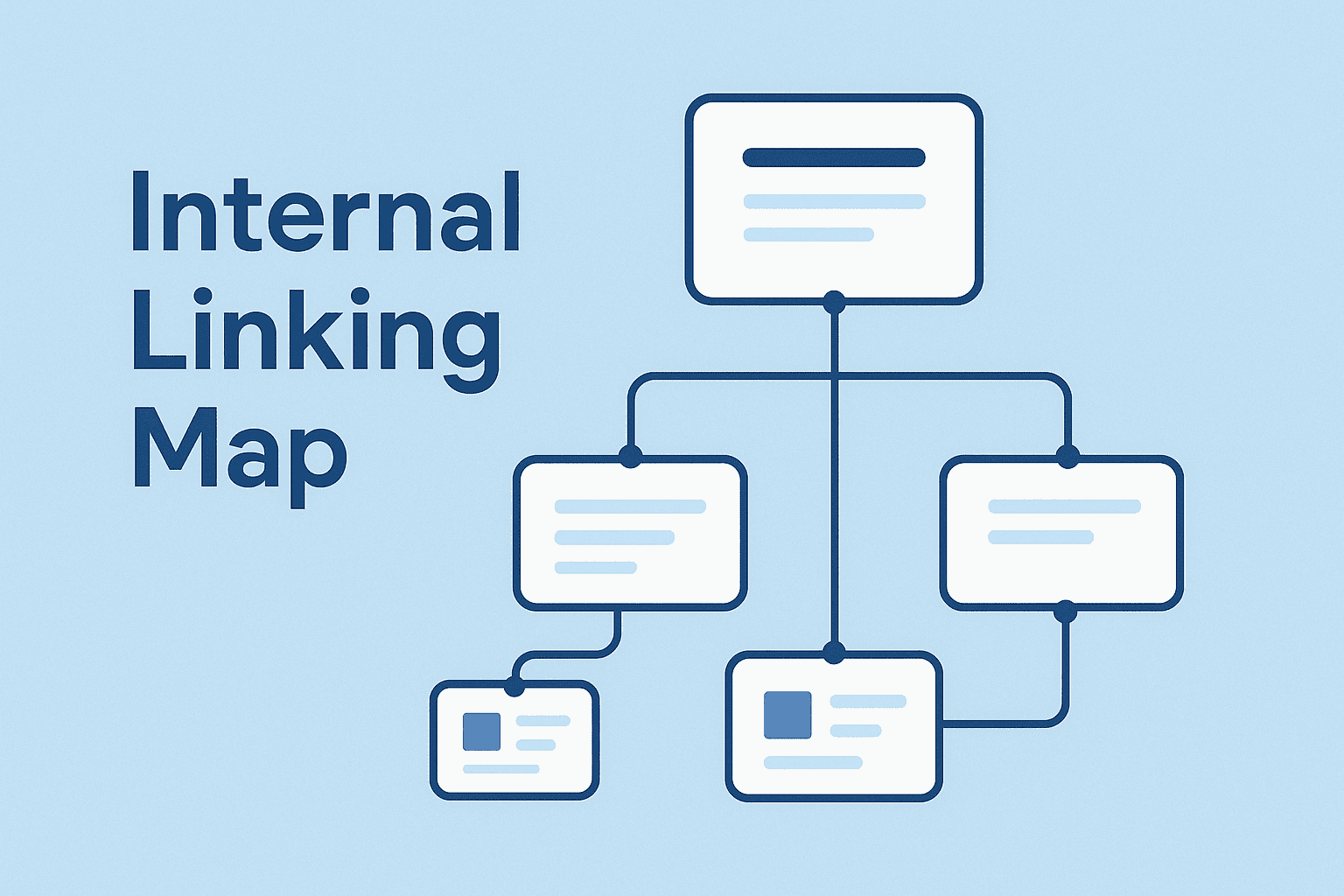
Integration with content management systems enables automatic tracking of internal linking opportunities and helps maintain optimal internal link structures as your site grows.
Social media monitoring complements traditional backlink tracking by identifying mentions and engagement that could lead to future link opportunities. Track brand mentions across social platforms to spot potential outreach targets.
Managing Link Building Campaigns
Effective campaign management requires clear objectives, realistic timelines, and measurable success metrics. Define specific goals for each campaign, whether focused on improving rankings for particular keywords, increasing overall domain authority, or targeting specific geographic markets.
Resource allocation should balance high-effort, high-reward opportunities with scalable tactics that generate consistent results. Invest significant effort in securing editorial links from authoritative publications while maintaining steady progress through more accessible opportunities.
Quality control processes ensure all acquired links meet your standards before being counted as campaign successes. Establish minimum criteria for link acceptance and regularly audit campaign results to maintain quality standards.
Performance tracking throughout campaigns enables real-time adjustments to improve results. Monitor key metrics weekly and be prepared to shift strategies if initial approaches aren’t delivering expected outcomes.
Campaign documentation facilitates knowledge transfer and helps refine future efforts. Record successful outreach templates, effective relationship-building strategies, and lessons learned from both successes and failures.
Technical Aspects of Backlink Management
Server log analysis provides insights into how search engines crawl links to your site. Monitor crawl patterns to ensure important pages receive adequate link equity and identify technical issues that might prevent proper link value transfer.
Redirect management becomes critical when restructuring sites or changing URLs. Implement proper 301 redirects to preserve link equity from existing backlinks while updating internal linking structures to reflect new site architecture.
Canonical tag implementation helps consolidate link equity when multiple URLs contain similar content. Proper canonicalization ensures backlinks contribute to your preferred URLs rather than being diluted across duplicate pages.
Site speed optimization affects how users and search engines interact with pages receiving backlink traffic. Slow-loading pages may not fully benefit from high-quality backlinks if visitors leave before engaging with content.
Mobile optimization ensures backlinks deliver value regardless of how users access your site. With mobile-first indexing, pages must perform well on mobile devices to maximize backlink benefits.
Measuring ROI and Link Value
Attribution modeling helps connect backlink acquisition to business outcomes. Track how traffic from specific links converts to leads, sales, or other valuable actions to quantify link building ROI accurately.
Ranking correlation analysis identifies which links contribute most significantly to improved search positions. This analysis guides future acquisition priorities by focusing on link types that deliver measurable ranking improvements.
Traffic quality assessment goes beyond simple visitor counts to evaluate engagement metrics, conversion rates, and user behavior patterns from different link sources. High-quality links should deliver engaged visitors who interact meaningfully with your content.
Long-term value tracking recognizes that link benefits often compound over time. Links that initially provide modest benefits may become more valuable as the linking sites gain authority or as your content becomes more established.
Cost-per-acquisition calculations help optimize resource allocation across different link building strategies. Compare the total cost of acquiring links through various methods to identify the most efficient approaches for your specific situation.
Building Sustainable Link Management Processes
Sustainable link management requires systematic processes that can scale with your business growth. Develop standardized procedures for link prospecting, outreach, relationship management, and quality assessment that team members can follow consistently.
Training and documentation ensure team members understand link quality standards and can make appropriate decisions when evaluating opportunities. Create clear guidelines for what constitutes acceptable links and establish approval processes for questionable opportunities.
Regular auditing schedules prevent link profile degradation over time. Conduct comprehensive profile reviews quarterly while maintaining ongoing monitoring for immediate issues that require rapid response.
Relationship management systems help maintain connections with valuable link sources over time. Track communication history, collaboration opportunities, and mutual benefit potential to nurture long-term partnerships that yield ongoing link opportunities.
Continuous improvement processes incorporate lessons learned from successful and unsuccessful link building efforts. Regularly review campaign performance, update strategies based on algorithm changes, and refine processes to improve efficiency and effectiveness.
The landscape of backlink monitoring and management continues evolving as search engines refine their algorithms and new tools emerge. Success requires balancing automated efficiency with human judgment, maintaining focus on quality over quantity, and adapting strategies based on performance data and industry developments.
By implementing comprehensive monitoring systems, maintaining rigorous quality standards, and focusing on sustainable relationship-building approaches, you can develop a backlink profile that supports long-term SEO success while protecting against potential penalties. Remember that effective backlink management is an ongoing process that requires consistent attention and continuous refinement based on results and changing best practices.
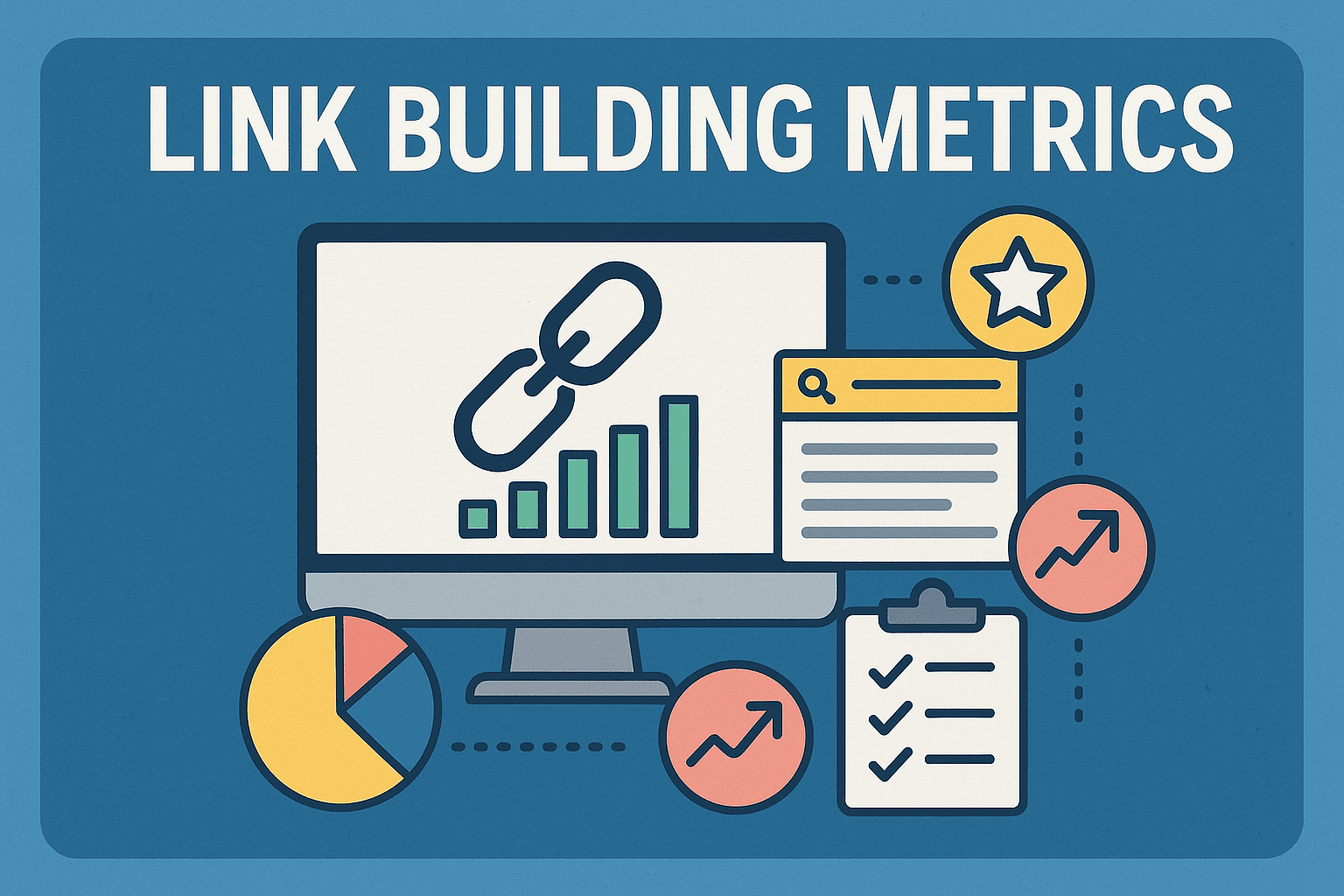
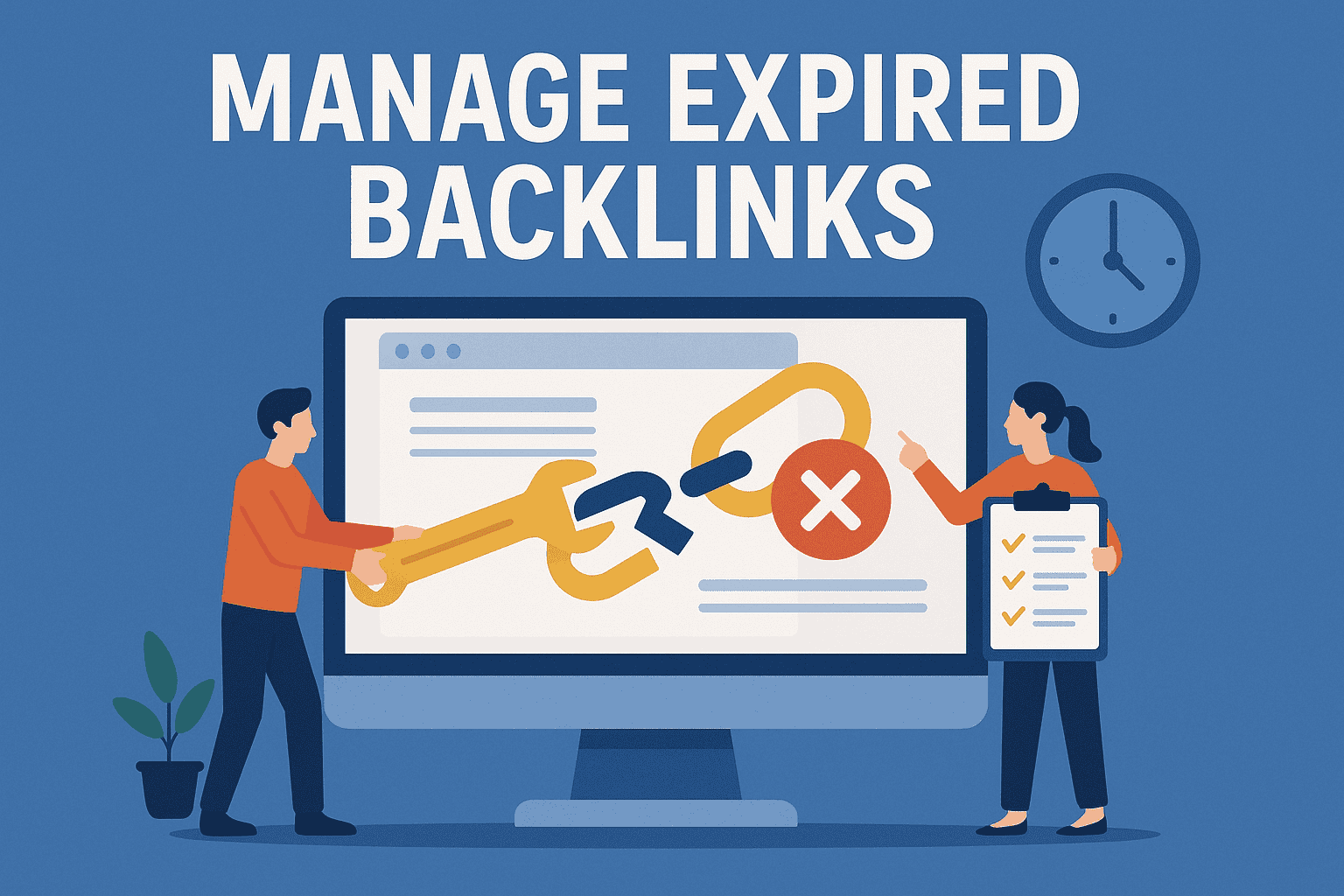
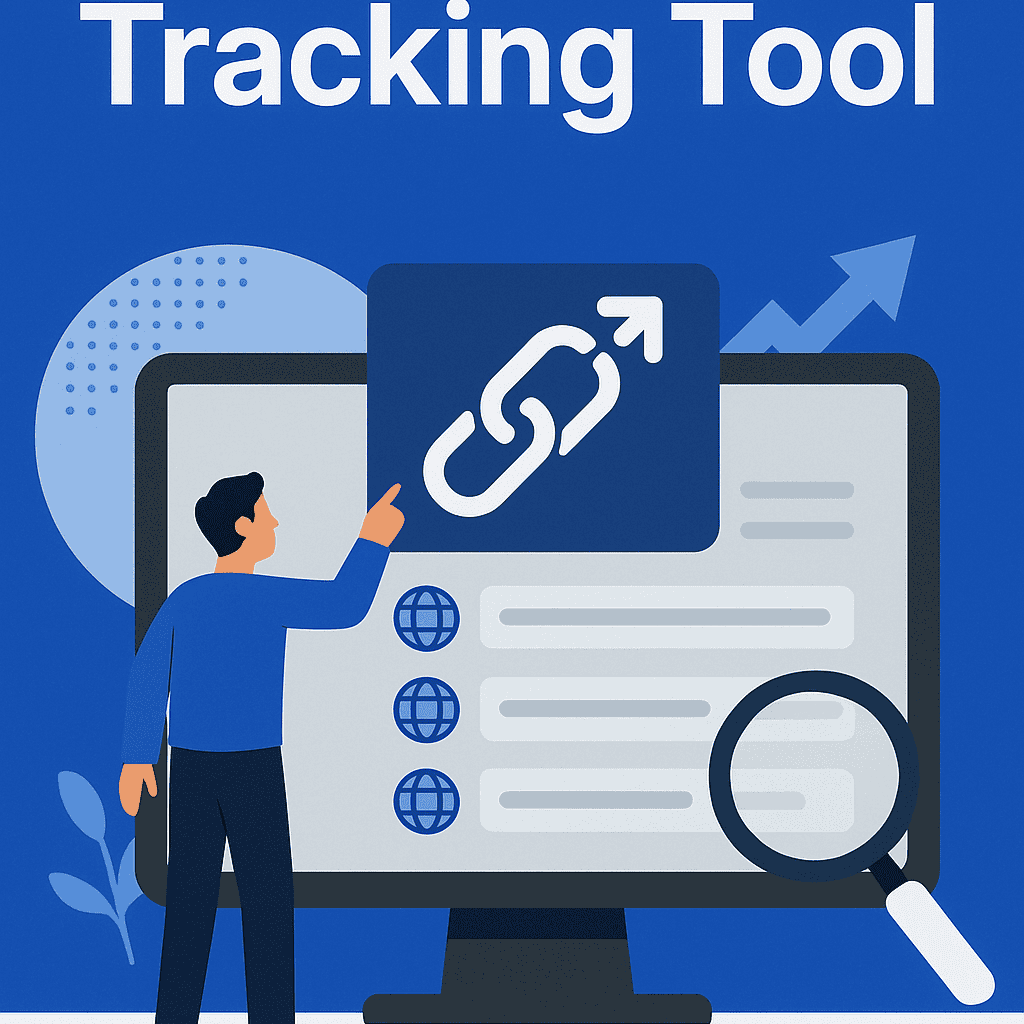
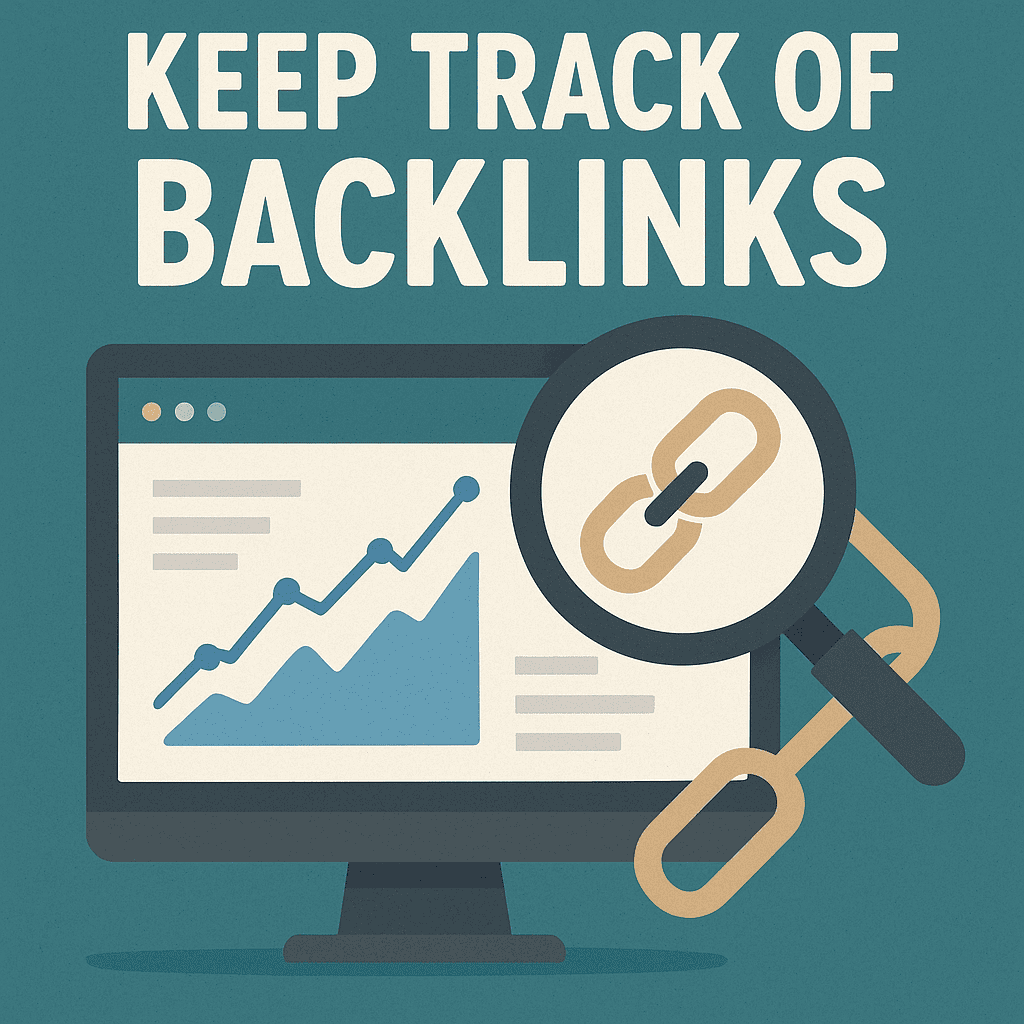
For agencies managing multiple client profiles, consider implementing specialized tracking tools designed for agency workflows that can handle multiple domains efficiently. Additionally, understanding how to handle expired backlinks becomes crucial for maintaining profile health over time. Finally, developing expertise in key link building metrics ensures you’re measuring the right indicators of success and making data-driven decisions about your backlink strategy.



![Longtail Pro Moz or Majestic [Full Breakdown]](https://backlinkdesk.com/wp-content/uploads/2025/11/ChatGPT-Image-Nov-14-2025-08_30_38-AM.png)


























![How Many Outbound Links Per Blog [2025 Updated]](https://backlinkdesk.com/wp-content/uploads/2025/06/How-Many-Outbound-Links-Per-Blog.png)

![B2B and B2C Website Examples [2025 Updated]](https://backlinkdesk.com/wp-content/uploads/2025/05/B2B-and-B2C-Website-Example-.png)



![What To Do After Keyword Research [2025 Guide]](https://backlinkdesk.com/wp-content/uploads/2025/05/What-To-Do-After-Keyword-Research.png)
![Is Page Speed Really A Ranking Factor? [2025]](https://backlinkdesk.com/wp-content/uploads/2025/05/Is-Page-Speed-Really-A-Ranking-Factor.png)













![Best Link Exchange Sites [Free & Safe] – Top 5 Picks](https://backlinkdesk.com/wp-content/uploads/2025/04/Free-Link-Exchange.png)