
Backlink Management on Autopilot: Build Links While You Sleep
Building high-quality backlinks has always been one of the most time-intensive aspects of SEO. Traditional link building requires hours of prospecting, outreach, relationship building, and follow-up communications. But what if you could automate this entire process and generate consistent, high-authority backlinks while you focus on other aspects of your business?
Autopilot backlink management represents a revolutionary approach to link building that leverages automation, artificial intelligence, and strategic partnerships to create a self-sustaining backlink acquisition system. This comprehensive guide will show you exactly how to implement an automated backlink strategy that consistently delivers 5-20 high-authority links every month without constant manual intervention.
Understanding Autopilot Backlink Management
Autopilot backlink management is a systematic approach that combines automated tools, strategic processes, and intelligent targeting to create a continuous stream of high-quality backlinks. Unlike traditional link building that requires constant manual effort, autopilot systems work around the clock to identify opportunities, execute outreach campaigns, and secure valuable link placements.
The core principle behind autopilot backlink management is creating scalable systems that can operate independently while maintaining quality standards. This involves setting up automated workflows that handle prospect identification, initial outreach, follow-up sequences, and relationship management without requiring daily oversight.
Modern autopilot systems utilize advanced algorithms to analyze website authority, relevance scores, and linking patterns to identify the most valuable link opportunities. These systems can process thousands of potential prospects in minutes, something that would take manual researchers weeks to accomplish.
Key Components of an Effective Autopilot System
A successful autopilot backlink management system consists of several interconnected components that work together to create a seamless link acquisition process. Understanding these components is crucial for implementing an effective automated strategy.
Intelligent Prospect Discovery
The foundation of any autopilot system is its ability to continuously discover new link opportunities. Advanced prospect discovery tools use machine learning algorithms to analyze competitor backlink profiles, industry publications, and content gaps to identify websites that are likely to link to your content.
These systems monitor thousands of websites daily, tracking new content publications, broken link opportunities, and resource page updates. When relevant opportunities are identified, they’re automatically added to your prospect database with detailed scoring metrics that prioritize the most valuable targets.
Automated Content Creation and Optimization
Modern autopilot systems include sophisticated content generation capabilities that create link-worthy assets automatically. These tools analyze trending topics in your industry, identify content gaps, and generate comprehensive articles, infographics, and resources that naturally attract backlinks.
The content creation process includes automatic optimization for target keywords, proper internal linking structure, and strategic placement of linkable assets. This ensures that every piece of content produced has maximum link acquisition potential.
Dynamic Outreach Campaigns
Automated outreach is perhaps the most powerful component of autopilot backlink management. These systems can send personalized emails at scale, managing complex follow-up sequences and relationship nurturing campaigns without manual intervention.
Advanced outreach automation includes behavioral triggers that adjust messaging based on recipient actions, automatic A/B testing of email templates, and intelligent scheduling that optimizes send times for maximum response rates. The system can handle hundreds of outreach conversations simultaneously while maintaining a personal touch.
Setting Up Your Autopilot Backlink System
Implementing an effective autopilot backlink management system requires careful planning and strategic configuration. The setup process involves multiple phases, each building upon the previous to create a comprehensive automation framework.
Initial Configuration and Goal Setting
Begin by defining clear objectives for your autopilot system. Determine your target number of monthly backlinks, preferred domain authority ranges, and industry relevance requirements. These parameters will guide the system’s decision-making processes and ensure alignment with your overall SEO strategy.
Configure your target metrics carefully, as these will determine the quality and quantity of links your system pursues. Most successful autopilot implementations target 5-20 high-authority links per month, focusing on domains with authority scores above 30 and strong topical relevance.
Database Development and Prospect Segmentation
Build a comprehensive prospect database by importing competitor backlink data, industry directories, and relevant website lists. The system will use this initial data to identify patterns and expand the prospect pool through intelligent discovery algorithms.
Segment your prospects based on authority metrics, content types, linking patterns, and outreach difficulty. This segmentation allows the system to apply appropriate strategies for different prospect categories, maximizing success rates across diverse target types.
Content Asset Development
Create a library of linkable assets that serve as the foundation for your outreach campaigns. These assets should include comprehensive guides, original research, interactive tools, and visual resources that provide genuine value to your target audience.
The autopilot system will automatically match appropriate assets to specific outreach opportunities, ensuring that every pitch includes relevant, valuable content that prospects are likely to link to.
Advanced Automation Strategies
Once your basic autopilot system is operational, implementing advanced strategies can significantly increase its effectiveness and link acquisition rates. These sophisticated approaches leverage cutting-edge technologies and strategic insights to maximize results.
AI-Powered Personalization
Modern autopilot systems use artificial intelligence to create highly personalized outreach messages that feel genuinely human. These systems analyze prospect websites, recent content, social media activity, and industry trends to craft contextually relevant messages that resonate with recipients.
AI personalization goes beyond simple name insertion, incorporating specific references to the prospect’s recent work, industry challenges, and content preferences. This level of personalization dramatically improves response rates and relationship building outcomes.
Behavioral Trigger Automation
Implement sophisticated behavioral triggers that automatically adjust outreach strategies based on prospect actions. When a prospect visits your website, downloads content, or engages with your social media, the system can automatically send targeted follow-up messages that capitalize on their demonstrated interest.
These triggers create dynamic conversation flows that adapt to each prospect’s engagement level, ensuring that highly interested prospects receive immediate attention while less engaged contacts continue through nurturing sequences.
Cross-Platform Integration
Integrate your autopilot system with social media platforms, content management systems, and analytics tools to create a comprehensive link building ecosystem. This integration enables the system to leverage multiple touchpoints and data sources for more effective prospect targeting and relationship building.
Cross-platform integration also enables automatic social media engagement, content syndication, and relationship nurturing across multiple channels, creating a holistic approach to link acquisition that extends far beyond email outreach.
Quality Control and Monitoring
While autopilot systems operate independently, maintaining quality control is essential for long-term success. Implementing robust monitoring and quality assurance processes ensures that your automated system continues to deliver high-quality results while protecting your brand reputation.
Automated Quality Scoring
Configure automated quality scoring systems that evaluate every potential link opportunity against predefined criteria. These systems should assess domain authority, spam scores, content relevance, and linking context to ensure that only high-quality opportunities are pursued.
Quality scoring algorithms can be continuously refined based on results data, becoming more accurate over time as they learn from successful and unsuccessful link acquisitions. This self-improving capability ensures that your system becomes more effective with experience.
Performance Analytics and Optimization
Implement comprehensive analytics tracking that monitors every aspect of your autopilot system’s performance. Track metrics such as outreach response rates, link acquisition costs, domain authority improvements, and overall ROI to identify optimization opportunities.
Use this data to continuously refine your system’s targeting criteria, messaging templates, and outreach strategies. Regular optimization based on performance data ensures that your autopilot system maintains peak effectiveness over time.
Scaling Your Autopilot Operations
As your autopilot backlink management system proves its effectiveness, scaling operations becomes the next logical step. Proper scaling strategies can multiply your link acquisition rates while maintaining quality standards and operational efficiency.
Multi-Domain Management
Expand your autopilot system to manage link building for multiple domains simultaneously. This approach leverages economies of scale in prospect research, content creation, and outreach operations while diversifying your link acquisition portfolio.
Multi-domain management requires sophisticated campaign segmentation and brand management capabilities to ensure that each domain maintains its unique voice and positioning while benefiting from shared operational efficiencies.
Industry Expansion Strategies
Gradually expand your autopilot system to target additional industry verticals and content categories. This expansion increases your total addressable market for link opportunities while reducing dependence on any single industry or niche.
Industry expansion should be approached systematically, with careful analysis of new vertical requirements, content preferences, and outreach best practices. Each new industry requires customized messaging templates, content assets, and targeting criteria.
Measuring Success and ROI
Effective measurement is crucial for demonstrating the value of your autopilot backlink management system and identifying areas for improvement. Comprehensive tracking and analysis provide the insights needed to optimize performance and justify continued investment in automation technologies.
Key Performance Indicators
Track essential KPIs including monthly link acquisition rates, average domain authority of acquired links, cost per link, and overall impact on search rankings. These metrics provide a clear picture of your system’s effectiveness and return on investment.
Monitor both quantity and quality metrics to ensure that your autopilot system maintains high standards while scaling operations. Quality metrics should include link relevance scores, traffic referrals, and long-term link retention rates.
Long-Term Impact Analysis
Analyze the long-term impact of your autopilot backlink acquisition on organic search performance, domain authority growth, and overall business outcomes. This analysis helps justify the investment in automation technology and guides future strategic decisions.
Long-term analysis should include correlation studies between link acquisition patterns and ranking improvements, helping you understand which types of links provide the greatest SEO value for your specific industry and target keywords.
Common Challenges and Solutions
While autopilot backlink management offers significant advantages, implementation challenges can arise. Understanding common obstacles and their solutions helps ensure successful deployment and ongoing operation of your automated system.
Maintaining Authenticity at Scale
One of the biggest challenges in autopilot link building is maintaining authentic, personal connections while operating at scale. Advanced personalization technologies and careful message crafting help address this challenge, but ongoing refinement is essential.
Implement regular human review processes to ensure that automated messages maintain appropriate tone and relevance. Use feedback from prospects to continuously improve messaging templates and personalization algorithms.
Avoiding Over-Automation
While automation provides significant efficiency gains, over-automation can lead to generic outreach and reduced effectiveness. Strike the right balance by automating routine tasks while preserving human oversight for strategic decisions and relationship management.
Maintain human involvement in high-value prospect relationships and complex negotiations while allowing automation to handle initial outreach, follow-up sequences, and routine administrative tasks.
Future Trends in Autopilot Link Building
The field of autopilot backlink management continues to evolve rapidly, with new technologies and strategies emerging regularly. Understanding future trends helps you prepare for upcoming opportunities and challenges in automated link building.
AI and Machine Learning Advances
Artificial intelligence and machine learning technologies are becoming increasingly sophisticated, enabling more accurate prospect targeting, better content creation, and more effective personalization. These advances will continue to improve the effectiveness of autopilot systems while reducing the need for human intervention.
Future AI developments may include predictive analytics that identify link opportunities before they become apparent to competitors, and advanced natural language processing that creates indistinguishable human-like outreach messages.
Integration with Emerging Platforms
As new content platforms and social networks emerge, autopilot systems will need to adapt to leverage these opportunities for link building. Integration with emerging platforms provides early-mover advantages and access to less competitive link acquisition channels.
Stay informed about platform developments and ensure your autopilot system can quickly adapt to new opportunities as they arise. This agility provides competitive advantages and access to high-value link opportunities.
Getting Started with Autopilot Backlink Management
Implementing an effective autopilot backlink management system requires careful planning, proper tool selection, and strategic execution. Start with a pilot program targeting a specific niche or content category to test and refine your approach before scaling to full operations.
Begin by analyzing your current link building processes to identify automation opportunities and efficiency gains. Focus on automating the most time-intensive tasks first, such as prospect research and initial outreach, while maintaining human oversight for relationship management and strategic decisions.
Consider leveraging existing automated backlink software solutions that provide proven frameworks for autopilot link building. These platforms offer pre-built automation workflows and best practices that can significantly accelerate your implementation timeline.
Remember that successful autopilot backlink management is not about completely removing human involvement, but rather about strategically automating routine tasks to free up time for high-value activities. The most effective implementations combine the efficiency of automation with the strategic insight and relationship-building capabilities that only humans can provide.
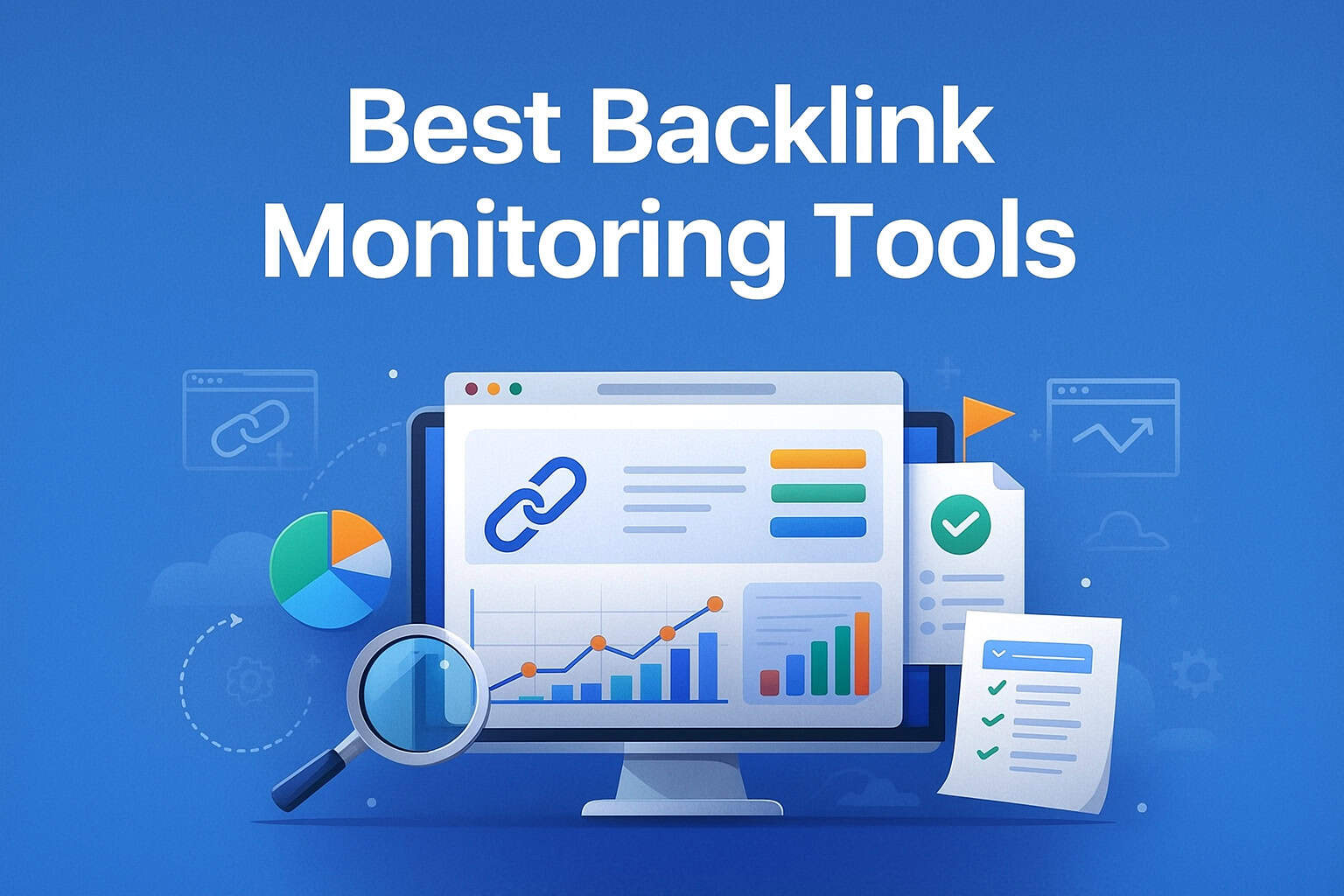
As you develop your autopilot system, pay careful attention to backlink monitoring tools that can track the performance and quality of your acquired links over time. This monitoring capability is essential for maintaining quality standards and optimizing your automation strategies based on real performance data.
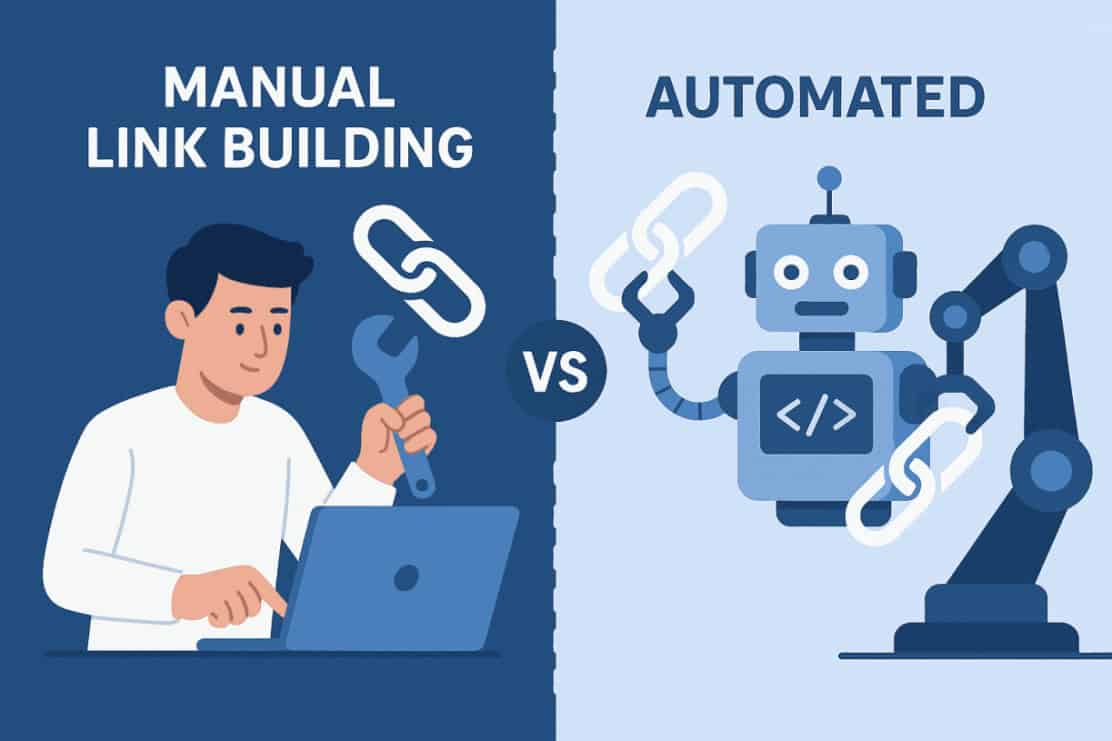
Finally, consider the broader context of your link building efforts within your overall SEO strategy. While autopilot systems can dramatically improve efficiency and scale, they work best when integrated with comprehensive SEO planning that includes content strategy, technical optimization, and manual link building vs automated approaches for maximum effectiveness.
The future of link building lies in intelligent automation that combines the best of human strategy with machine efficiency. By implementing a well-designed autopilot backlink management system, you can achieve consistent, high-quality link acquisition that drives sustainable SEO growth while freeing up valuable time and resources for other critical business activities.






![Longtail Pro Moz or Majestic [Full Breakdown]](https://backlinkdesk.com/wp-content/uploads/2025/11/ChatGPT-Image-Nov-14-2025-08_30_38-AM.png)























![How Many Outbound Links Per Blog [2025 Updated]](https://backlinkdesk.com/wp-content/uploads/2025/06/How-Many-Outbound-Links-Per-Blog.png)


![B2B and B2C Website Examples [2025 Updated]](https://backlinkdesk.com/wp-content/uploads/2025/05/B2B-and-B2C-Website-Example-.png)



![What To Do After Keyword Research [2025 Guide]](https://backlinkdesk.com/wp-content/uploads/2025/05/What-To-Do-After-Keyword-Research.png)
![Is Page Speed Really A Ranking Factor? [2025]](https://backlinkdesk.com/wp-content/uploads/2025/05/Is-Page-Speed-Really-A-Ranking-Factor.png)



















![Best Link Exchange Sites [Free & Safe] – Top 5 Picks](https://backlinkdesk.com/wp-content/uploads/2025/04/Free-Link-Exchange.png)