
Backlink Management Autopilot: Generate Links on Complete Autopilot
Building high-quality backlinks has traditionally been one of the most time-consuming aspects of SEO. Hours spent researching prospects, crafting outreach emails, and following up with potential link partners can quickly drain resources without guaranteed results. However, modern backlink management autopilot systems are revolutionizing this process, enabling websites to generate consistent, high-authority backlinks with minimal manual intervention.
The concept of autopilot link building isn’t about spammy automated tools that flood the internet with low-quality links. Instead, it represents a sophisticated approach that combines strategic planning, automation technology, and quality control to create sustainable link acquisition systems. These systems can reliably generate 5-20 high-authority backlinks per month while maintaining the quality standards that search engines demand.
Understanding Autopilot Backlink Systems
Autopilot backlink management operates on the principle of systematizing and automating the most repetitive aspects of link building while maintaining human oversight for quality control. These systems typically consist of several interconnected components that work together to identify opportunities, execute outreach, and secure placements.
The foundation of any effective autopilot system begins with comprehensive prospect identification. Advanced algorithms scan millions of websites to identify potential link partners based on relevance, authority metrics, and likelihood of acceptance. This process considers factors such as domain authority, topical relevance, existing link patterns, and contact information availability.
Once prospects are identified, the system categorizes them based on outreach strategy. Some sites may be suitable for guest posting opportunities, while others might be better targets for resource page inclusions or broken link building. This categorization ensures that each prospect receives the most appropriate and effective outreach approach.
Content creation represents another crucial component of autopilot systems. Many platforms maintain databases of pre-written, high-quality content that can be customized for specific niches and target websites. This content is designed to provide genuine value while naturally incorporating the client’s brand and target keywords.
The Technology Behind Automated Link Building
Modern autopilot backlink systems leverage several advanced technologies to achieve consistent results. Natural language processing enables these platforms to craft personalized outreach emails that don’t sound robotic or generic. Machine learning algorithms analyze response patterns to continuously improve outreach effectiveness and identify the most promising prospects.
Email automation handles the entire outreach sequence, from initial contact through follow-up messages. These systems can manage thousands of simultaneous outreach campaigns while maintaining personalization and avoiding spam filters. Advanced scheduling ensures that messages are sent at optimal times for maximum response rates.
Integration with major SEO tools allows autopilot systems to access real-time metrics about potential link partners. This includes domain authority scores, traffic estimates, spam indicators, and competitive analysis data. This information helps the system make intelligent decisions about which prospects to prioritize and which to avoid.
Content management systems within these platforms handle the creation, storage, and deployment of articles and other linkable assets. Many systems can automatically generate topic ideas based on trending keywords in specific niches, then create comprehensive articles that naturally attract links from relevant websites.
Setting Up Your Autopilot Campaign
Implementing an effective autopilot backlink campaign requires careful initial setup and configuration. The process begins with defining your target keywords, niche focus, and quality standards. These parameters guide the system in identifying appropriate link opportunities and crafting relevant content.
Domain configuration involves connecting your website and providing detailed information about your business, target audience, and content preferences. This information helps the system understand your brand voice and ensures that all outreach and content creation aligns with your overall marketing strategy.
Quality thresholds must be established to ensure that the system only pursues high-value opportunities. This includes setting minimum domain authority requirements, spam score limits, and relevance criteria. These filters prevent the system from wasting time on low-quality prospects that could potentially harm your SEO efforts.
Content guidelines help the system understand what types of articles and topics align with your brand. This includes preferred writing styles, topics to avoid, and specific messaging requirements. Many systems allow you to upload sample content to help train their algorithms on your preferred approach.
Outreach personalization settings determine how the system will customize communications with potential link partners. This includes information about your business, value propositions, and specific benefits you can offer to partner websites. The more detailed this information, the more effective your outreach campaigns will be.
Quality Control in Automated Systems
One of the biggest concerns about autopilot link building is maintaining quality standards. Effective systems address this through multiple layers of quality control that ensure every link meets strict criteria before being pursued or accepted.
Prospect vetting involves comprehensive analysis of potential link partners using multiple data sources. This includes checking domain metrics, analyzing existing content quality, reviewing link profiles, and identifying any red flags that might indicate a low-quality or potentially harmful website.
Content review processes ensure that all articles and other linkable assets meet high editorial standards. Many systems employ human editors to review AI-generated content, while others use advanced algorithms trained on high-quality writing samples to maintain consistency and readability.
Link placement verification confirms that secured links are properly implemented and provide the expected SEO value. This includes checking anchor text, link attributes, and surrounding content to ensure optimal link juice transfer and relevance signals.
Ongoing monitoring tracks the performance and health of acquired links over time. This includes checking for link removals, changes in target page content, and shifts in the linking domain’s authority or reputation. This monitoring enables quick response to any issues that might affect link value.
Maximizing Results from Autopilot Systems
While autopilot systems handle most of the heavy lifting in link acquisition, strategic optimization can significantly improve results. Understanding how to configure and guide these systems ensures maximum return on investment and faster achievement of SEO goals.
Niche specialization often produces better results than broad targeting. Systems that focus on specific industries or topic areas can develop deeper expertise and more effective outreach strategies. This specialization also leads to better content creation and more relevant link opportunities.
Timing optimization involves understanding when your target audience is most likely to respond to outreach efforts. Many systems allow you to configure sending schedules based on time zones, industry patterns, and historical response data. Proper timing can significantly improve response rates and link acquisition success.
Content diversification ensures that your link profile appears natural and varied. Effective autopilot systems create different types of linkable assets, including informational articles, research studies, tools, and resources. This diversity makes your link profile more robust and less susceptible to algorithm changes.
Relationship building extends beyond single link acquisitions to develop ongoing partnerships with high-quality websites. Advanced systems can identify opportunities for multiple collaborations with the same partners, leading to stronger relationships and more valuable long-term link opportunities.
Measuring Autopilot Campaign Performance
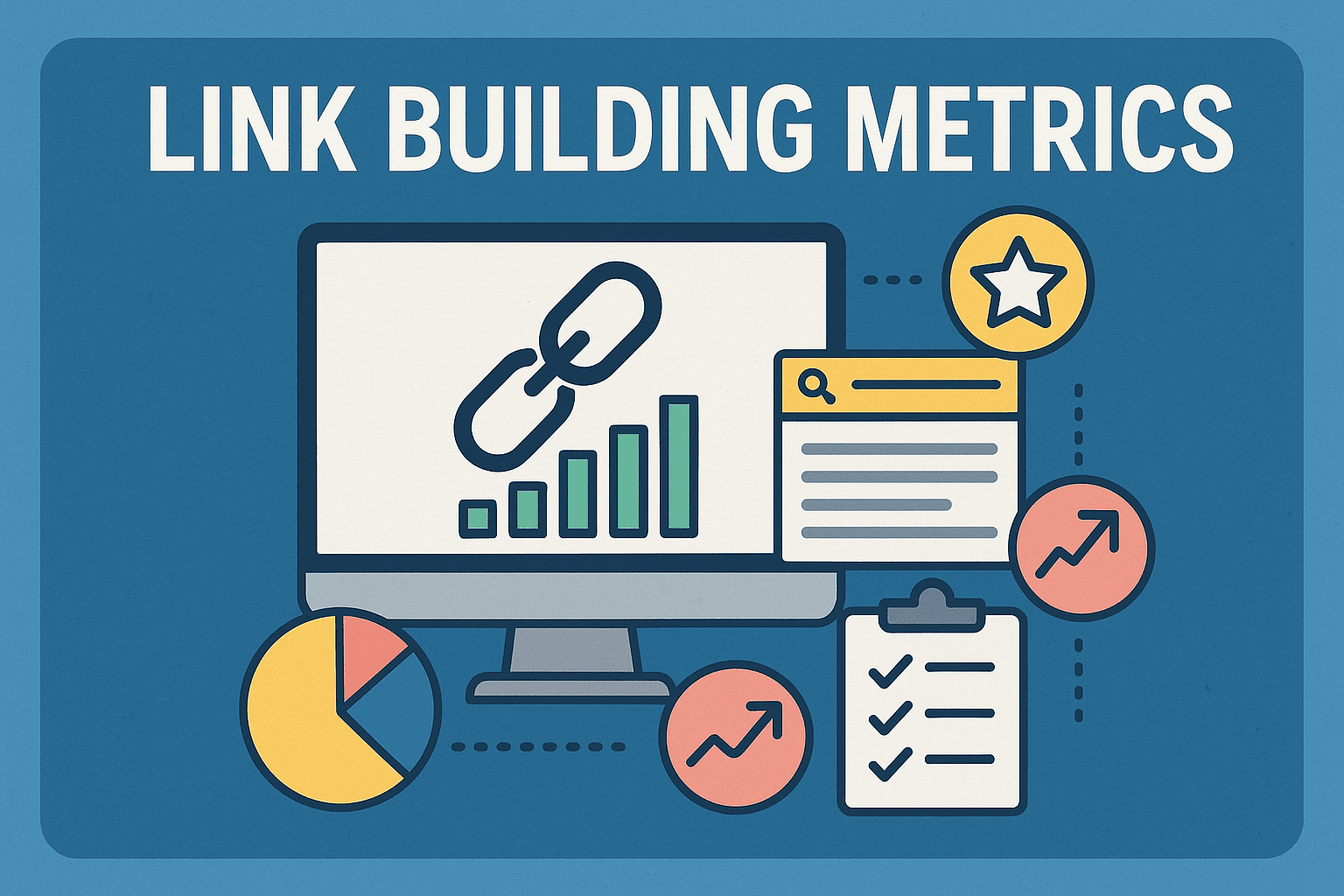
Tracking the effectiveness of autopilot backlink campaigns requires monitoring multiple metrics that indicate both immediate success and long-term SEO impact. Understanding these metrics helps optimize system performance and demonstrate ROI to stakeholders.
Link acquisition velocity measures how quickly your system is securing new backlinks. Healthy autopilot campaigns typically show consistent monthly growth in high-quality link acquisitions. Sudden spikes or drops in this metric can indicate system issues or opportunities for optimization.
Domain authority progression of acquired links provides insight into the quality of your link profile growth. Effective systems should consistently secure links from domains with authority scores that meet or exceed your established thresholds. Tracking this metric helps ensure quality standards are maintained.
Keyword ranking improvements directly correlate with the SEO value provided by acquired backlinks. Monitoring target keyword positions helps validate that your autopilot system is generating links that actually improve search engine performance rather than just increasing link quantity.
Traffic growth from referring domains indicates that acquired links are not only providing SEO value but also driving direct traffic to your website. This metric helps identify the most valuable link partners and can guide future targeting strategies.
Cost per acquired link helps evaluate the efficiency of your autopilot system compared to manual link building efforts. Effective systems should demonstrate clear cost advantages while maintaining or improving link quality compared to traditional approaches.
Common Challenges and Solutions
Implementing autopilot backlink systems comes with specific challenges that require strategic solutions. Understanding these potential issues and their remedies helps ensure smooth campaign execution and optimal results.
Response rate optimization addresses the challenge of getting target websites to respond to outreach efforts. Low response rates can significantly impact campaign effectiveness. Solutions include improving email personalization, testing different subject lines, and refining value propositions to better appeal to target audiences.
Content scalability becomes an issue as campaigns grow and require increasing amounts of high-quality content. Advanced systems address this through AI-powered content generation combined with human editing, content template libraries, and strategic content repurposing across multiple campaigns.
Link diversity maintenance ensures that acquired links appear natural to search engines. Systems must balance efficiency with variety, creating links from different types of websites, using varied anchor text, and targeting multiple pages on the client’s website rather than focusing solely on the homepage.
Compliance management involves staying current with search engine guidelines and industry best practices. Effective autopilot systems include regular updates to their algorithms and processes to ensure continued compliance with evolving SEO standards and search engine requirements.
Integration with Existing SEO Strategies
Autopilot backlink systems work best when integrated with broader SEO strategies rather than operating in isolation. This integration ensures that link building efforts support overall marketing objectives and complement other optimization activities.
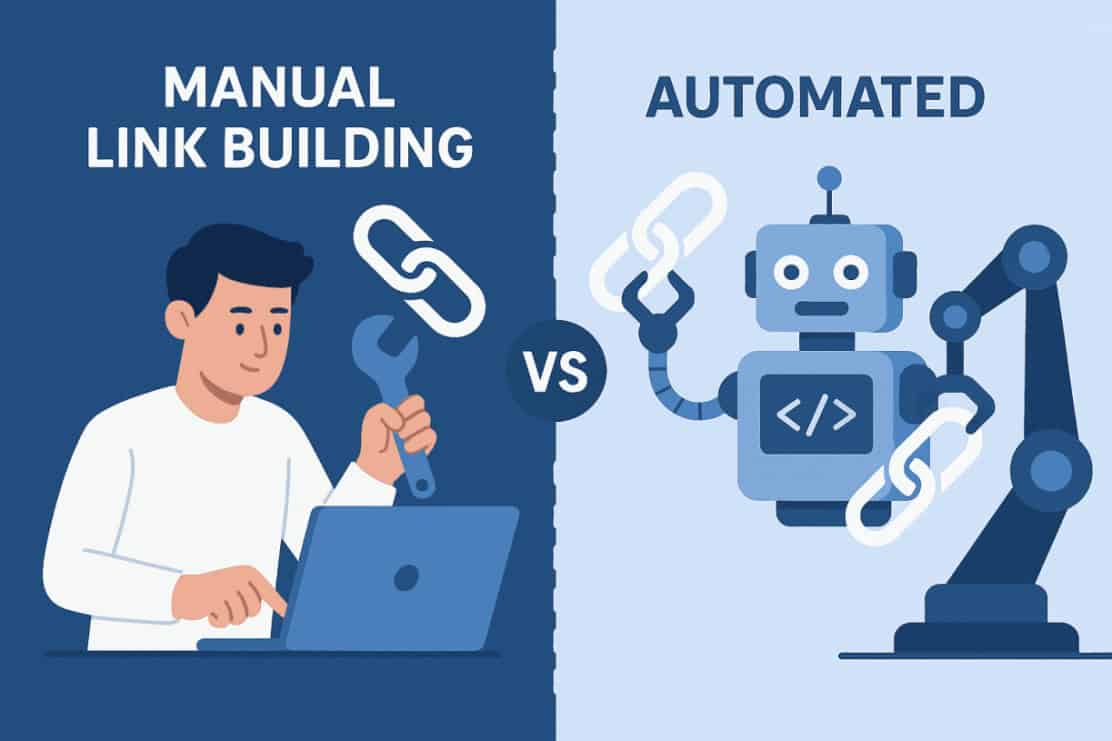
Content marketing alignment helps ensure that acquired backlinks support existing content initiatives. Manual link building vs automated approaches can be combined strategically, with autopilot systems handling volume acquisition while manual efforts focus on high-value, relationship-based opportunities.
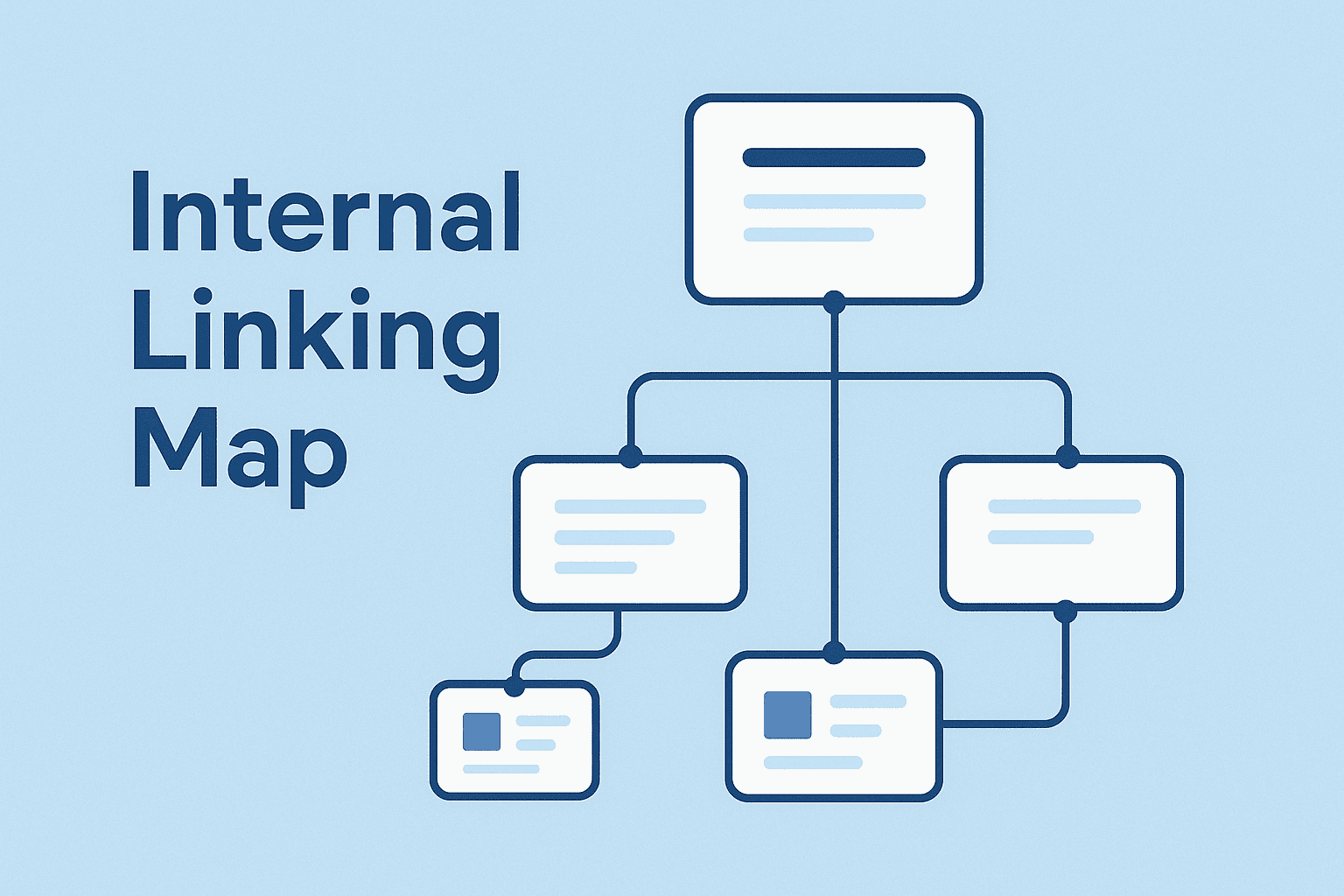
Technical SEO coordination ensures that your website is prepared to maximize the value of acquired backlinks. This includes optimizing page load speeds, fixing crawl errors, and ensuring proper internal linking structure to help distribute link equity effectively throughout your site.
Keyword strategy integration aligns link building efforts with target keyword priorities. Autopilot systems should be configured to prioritize link opportunities that support your most important keyword targets while maintaining natural anchor text distribution.
Competitive analysis integration helps identify link opportunities that competitors are missing while avoiding oversaturated prospects. Advanced systems can analyze competitor backlink profiles to identify gaps and opportunities for strategic advantage.
Future Developments in Autopilot Link Building
The field of automated link building continues to evolve rapidly, with new technologies and approaches emerging regularly. Understanding these trends helps businesses prepare for future opportunities and maintain competitive advantages.
Artificial intelligence improvements are making autopilot systems increasingly sophisticated in their ability to identify high-quality prospects, craft compelling outreach messages, and create valuable content. These advances are reducing the need for human intervention while improving overall campaign effectiveness.
Integration capabilities are expanding to include more SEO tools, content management systems, and marketing platforms. This increased connectivity enables more comprehensive automation and better coordination between different aspects of digital marketing strategies.
Personalization technologies are becoming more advanced, enabling systems to create highly customized outreach campaigns that feel genuinely personal rather than automated. This improvement in personalization is leading to higher response rates and better relationship building outcomes.
Quality assessment algorithms are becoming more sophisticated in their ability to evaluate potential link partners and predict the long-term value of different link opportunities. These improvements help ensure that autopilot systems consistently pursue only the most valuable prospects.
Choosing the Right Autopilot Solution
Selecting an effective autopilot backlink management system requires careful evaluation of features, pricing, and track record. Different solutions offer varying approaches and capabilities, making it important to choose one that aligns with your specific needs and objectives.
Feature comparison should focus on the specific capabilities that matter most for your industry and target market. This includes prospect identification accuracy, content creation quality, outreach personalization options, and integration capabilities with your existing tools and workflows.
Pricing structure evaluation helps ensure that the chosen solution provides good value for your investment. Consider both upfront costs and ongoing fees, as well as the potential return on investment based on the system’s track record of link acquisition success.
Support and training availability can significantly impact your success with autopilot systems. Look for providers that offer comprehensive onboarding, ongoing support, and regular training updates to help you maximize system effectiveness.
Reputation and track record research helps identify providers with proven success in your industry or niche. Look for case studies, testimonials, and independent reviews that demonstrate consistent results and satisfied customers.
Customization options ensure that the system can be configured to match your specific requirements and quality standards. The best autopilot solutions offer flexible configuration options that allow you to maintain control over important aspects of your link building strategy.
Best Practices for Long-term Success
Achieving sustained success with autopilot backlink systems requires adherence to best practices that ensure continued effectiveness and compliance with evolving SEO standards. These practices help maintain system performance and protect against potential issues.
Regular system monitoring involves checking campaign performance, link quality, and overall progress toward SEO goals. Even automated systems require periodic review to ensure they continue operating effectively and producing desired results.
Quality threshold maintenance ensures that your standards remain appropriate as the SEO landscape evolves. Periodically reviewing and updating your quality criteria helps maintain link profile health and prevents the acquisition of potentially harmful links.
Diversification strategies help protect against over-reliance on any single approach or link source. Effective long-term strategies combine autopilot systems with other link building methods to create robust, diverse link profiles that can withstand algorithm changes.
Relationship nurturing extends beyond initial link acquisition to maintain ongoing partnerships with high-quality websites. Backlink tracking tool for agencies can help monitor these relationships and identify opportunities for additional collaborations.
Continuous optimization involves regularly reviewing campaign performance and making adjustments to improve results. This includes refining targeting criteria, updating content templates, and optimizing outreach strategies based on performance data and industry changes.
The implementation of autopilot backlink management systems represents a significant advancement in SEO efficiency and effectiveness. When properly configured and managed, these systems can consistently generate high-quality backlinks that drive meaningful improvements in search engine rankings and organic traffic. Success requires careful planning, appropriate system selection, and ongoing optimization, but the potential returns make this investment worthwhile for businesses serious about their SEO performance.
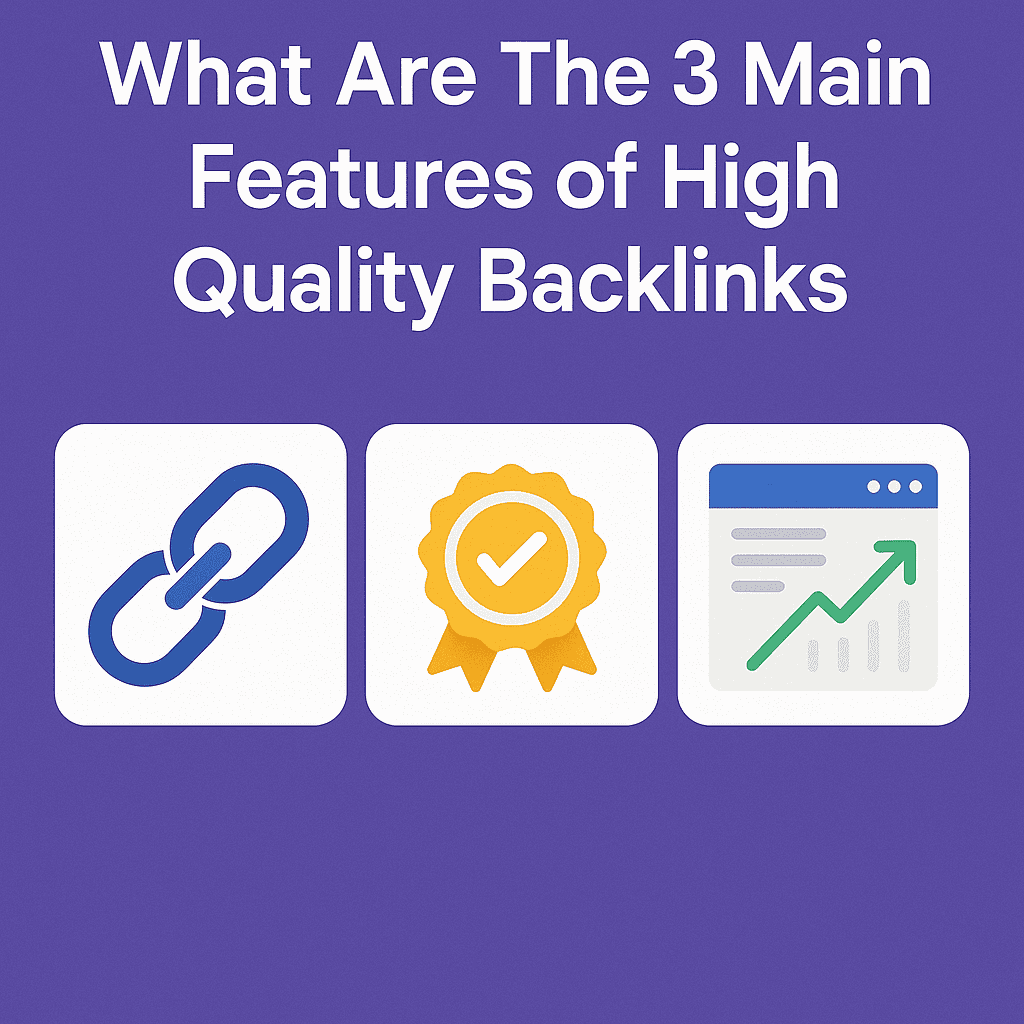
As search engines continue to emphasize the importance of high-quality, relevant backlinks, autopilot systems that can consistently deliver these assets while maintaining efficiency and scalability will become increasingly valuable. Understanding the three main features of a quality backlink helps ensure that your autopilot system targets the right opportunities and maintains the standards necessary for long-term SEO success.
The future of link building lies in the intelligent automation of repetitive tasks while maintaining the human insight and creativity necessary for building genuine relationships and creating valuable content. Autopilot backlink management systems that successfully balance these elements will continue to provide competitive advantages for businesses that implement them strategically and maintain them properly.





![Longtail Pro Moz or Majestic [Full Breakdown]](https://backlinkdesk.com/wp-content/uploads/2025/11/ChatGPT-Image-Nov-14-2025-08_30_38-AM.png)
























![How Many Outbound Links Per Blog [2025 Updated]](https://backlinkdesk.com/wp-content/uploads/2025/06/How-Many-Outbound-Links-Per-Blog.png)

![B2B and B2C Website Examples [2025 Updated]](https://backlinkdesk.com/wp-content/uploads/2025/05/B2B-and-B2C-Website-Example-.png)



![What To Do After Keyword Research [2025 Guide]](https://backlinkdesk.com/wp-content/uploads/2025/05/What-To-Do-After-Keyword-Research.png)
![Is Page Speed Really A Ranking Factor? [2025]](https://backlinkdesk.com/wp-content/uploads/2025/05/Is-Page-Speed-Really-A-Ranking-Factor.png)





















![Best Link Exchange Sites [Free & Safe] – Top 5 Picks](https://backlinkdesk.com/wp-content/uploads/2025/04/Free-Link-Exchange.png)