
Backlink Monitoring and Management Software: Track Every Link
In the competitive landscape of digital marketing, your backlink profile serves as the backbone of your search engine optimization strategy. However, building links is only half the battle—monitoring and managing those links effectively determines whether your SEO efforts succeed or fail. Backlink monitoring and management software has become an essential tool for businesses serious about maintaining their search rankings and protecting their online reputation.
The complexity of modern link building campaigns requires sophisticated tracking systems that can handle thousands of backlinks across multiple domains, campaigns, and time periods. Manual monitoring simply cannot keep pace with the dynamic nature of the web, where links can disappear, change status, or become toxic overnight. This comprehensive guide explores how backlink monitoring and management software transforms your approach to link building and ongoing SEO maintenance.
Understanding Backlink Monitoring Software
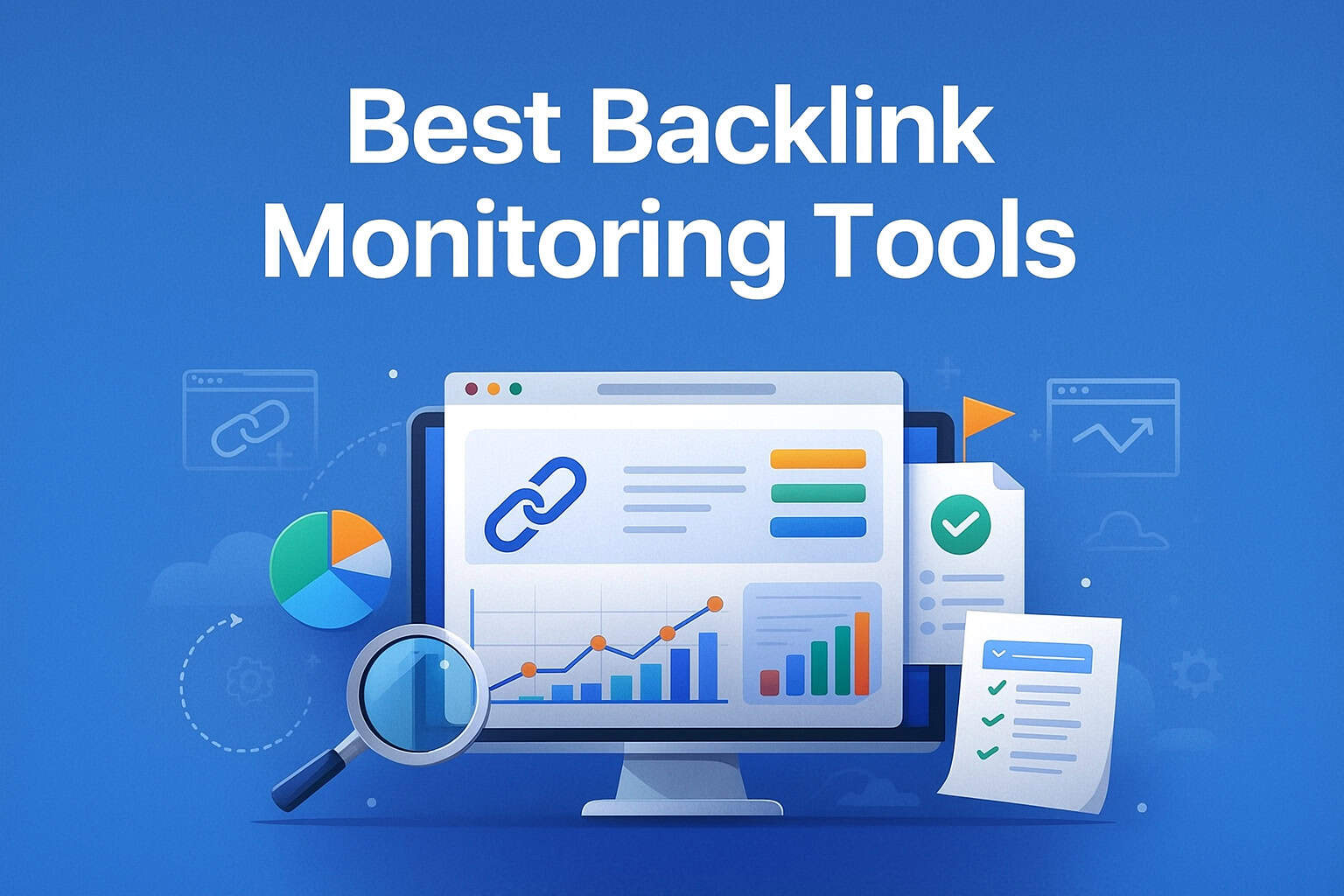
Backlink monitoring software represents a specialized category of SEO tools designed to track, analyze, and manage your website’s incoming links continuously. These platforms go beyond simple link discovery, providing real-time insights into link quality, status changes, and potential threats to your search rankings.
Modern backlink monitoring solutions operate through sophisticated crawling algorithms that regularly scan the web for mentions of your domain, tracking both followed and nofollowed links across millions of websites. The software maintains detailed databases of your link profile, recording historical data that enables trend analysis and performance tracking over time.
The core functionality extends to automated alert systems that notify you immediately when significant changes occur in your backlink profile. Whether a high-value link disappears, a new toxic link appears, or a previously nofollowed link becomes followed, these alerts ensure you can respond quickly to protect your SEO investment.
Essential Features of Backlink Management Platforms
Comprehensive backlink management software incorporates multiple features that work together to provide complete visibility into your link profile. Real-time monitoring forms the foundation, continuously scanning for new links, lost links, and changes in existing link attributes such as anchor text, link placement, and follow status.
Link quality assessment represents another critical component, with advanced platforms using machine learning algorithms to evaluate the authority, relevance, and trustworthiness of linking domains. These systems consider factors including domain authority, page authority, topical relevance, spam scores, and traffic metrics to provide accurate quality ratings.
Automated reporting capabilities streamline the management process by generating detailed reports on link acquisition, losses, and overall profile health. These reports can be customized for different stakeholders, from technical SEO teams requiring granular data to executives needing high-level performance summaries.
Integration capabilities allow backlink monitoring software to connect with other SEO tools, content management systems, and analytics platforms. This connectivity enables automated workflows where link data influences content strategy, outreach campaigns, and technical SEO decisions.
Advanced Analytics and Trend Analysis
Modern backlink monitoring platforms leverage advanced analytics to transform raw link data into actionable insights. Historical trend analysis reveals patterns in link acquisition and loss, helping identify successful strategies and potential vulnerabilities in your link profile.
Competitive analysis features enable you to monitor competitor backlink profiles alongside your own, identifying link opportunities and understanding industry benchmarks. This intelligence proves invaluable for strategic planning and identifying gaps in your current link building approach.
Predictive analytics capabilities use machine learning to forecast potential link profile changes and identify links at risk of being lost. This proactive approach allows you to strengthen relationships with important linking partners before problems arise.
Implementing Effective Backlink Monitoring Strategies
Successful backlink monitoring requires a strategic approach that balances comprehensive coverage with efficient resource allocation. Begin by establishing baseline metrics for your current link profile, including total link count, referring domain count, average domain authority, and anchor text distribution.
Configure monitoring parameters based on your specific needs and resources. High-frequency monitoring may be necessary for competitive industries or during active link building campaigns, while established sites in stable niches might benefit from less frequent but more comprehensive scans.
Develop response protocols for different types of alerts. New high-quality links might trigger thank-you communications and relationship-building activities, while toxic link alerts require immediate investigation and potential disavowal actions. Lost link alerts should prompt outreach efforts to restore valuable connections.
Establish regular review cycles that complement automated monitoring. Weekly reviews of new and lost links, monthly analysis of quality trends, and quarterly comprehensive audits ensure nothing falls through the cracks while maintaining strategic oversight of your link building efforts.
Setting Up Automated Workflows
Automation transforms backlink monitoring from a reactive process into a proactive system that continuously optimizes your link profile. Configure automated alerts based on specific criteria such as domain authority thresholds, anchor text patterns, or link placement changes.
Implement automated categorization systems that sort new links into quality tiers, enabling prioritized response strategies. High-quality links from authoritative domains might trigger immediate relationship-building outreach, while medium-quality links could be added to ongoing monitoring lists.
Create automated reporting schedules that deliver relevant information to appropriate team members. Daily alerts for critical changes, weekly summaries for tactical teams, and monthly strategic reports for leadership ensure everyone stays informed without information overload.
Managing Link Quality and Risk Assessment
Effective backlink management requires sophisticated quality assessment capabilities that go beyond simple metrics like domain authority. Modern platforms evaluate multiple quality signals including topical relevance, traffic patterns, link placement, and historical performance data.
Risk assessment algorithms identify potentially harmful links before they impact your search rankings. These systems analyze factors such as link velocity, anchor text over-optimization, and associations with known spam networks to flag problematic links for further investigation.
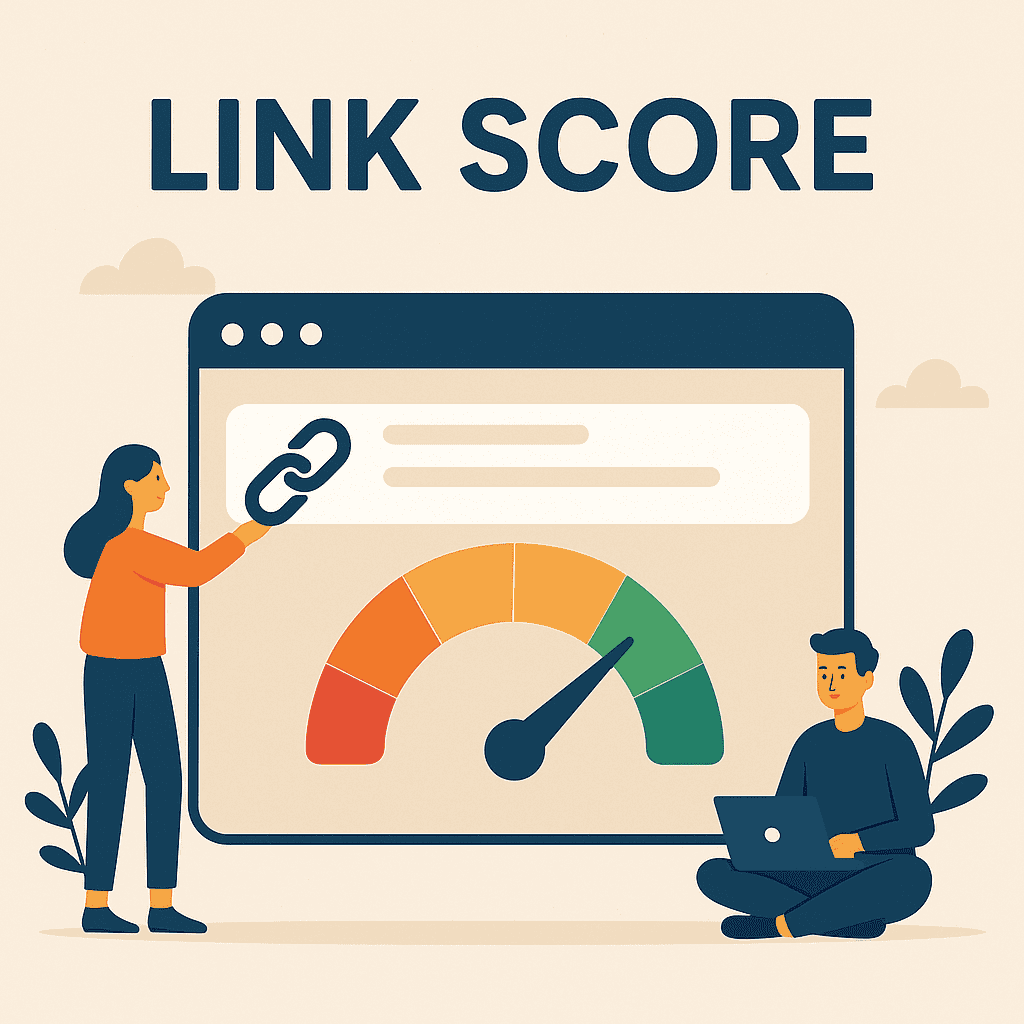
Quality scoring systems provide standardized metrics for comparing links across different domains and campaigns. These scores help prioritize outreach efforts, focusing resources on acquiring and maintaining the highest-value connections while identifying low-quality links for potential removal.
Regular quality audits ensure your link profile maintains high standards over time. Backlink tracking tools for agencies often include automated quality monitoring that flags declining link quality before it becomes problematic.
Toxic Link Detection and Management
Toxic link detection represents one of the most critical functions of backlink monitoring software. Advanced platforms use machine learning algorithms trained on Google penalty data to identify links that could harm your search rankings.
Automated toxic link detection considers multiple risk factors including domain spam scores, link farm associations, irrelevant anchor text patterns, and suspicious link velocity. These systems continuously update their detection criteria based on evolving search engine guidelines and penalty patterns.
When toxic links are identified, the software should provide clear remediation recommendations. This might include attempting to contact webmasters for link removal, adding links to your disavow file, or implementing additional monitoring to track changes in link status.
Integration with Overall SEO Strategy
Backlink monitoring software achieves maximum value when integrated into your broader SEO strategy rather than operating in isolation. Link data should inform content creation decisions, helping identify topics and formats that naturally attract high-quality backlinks.
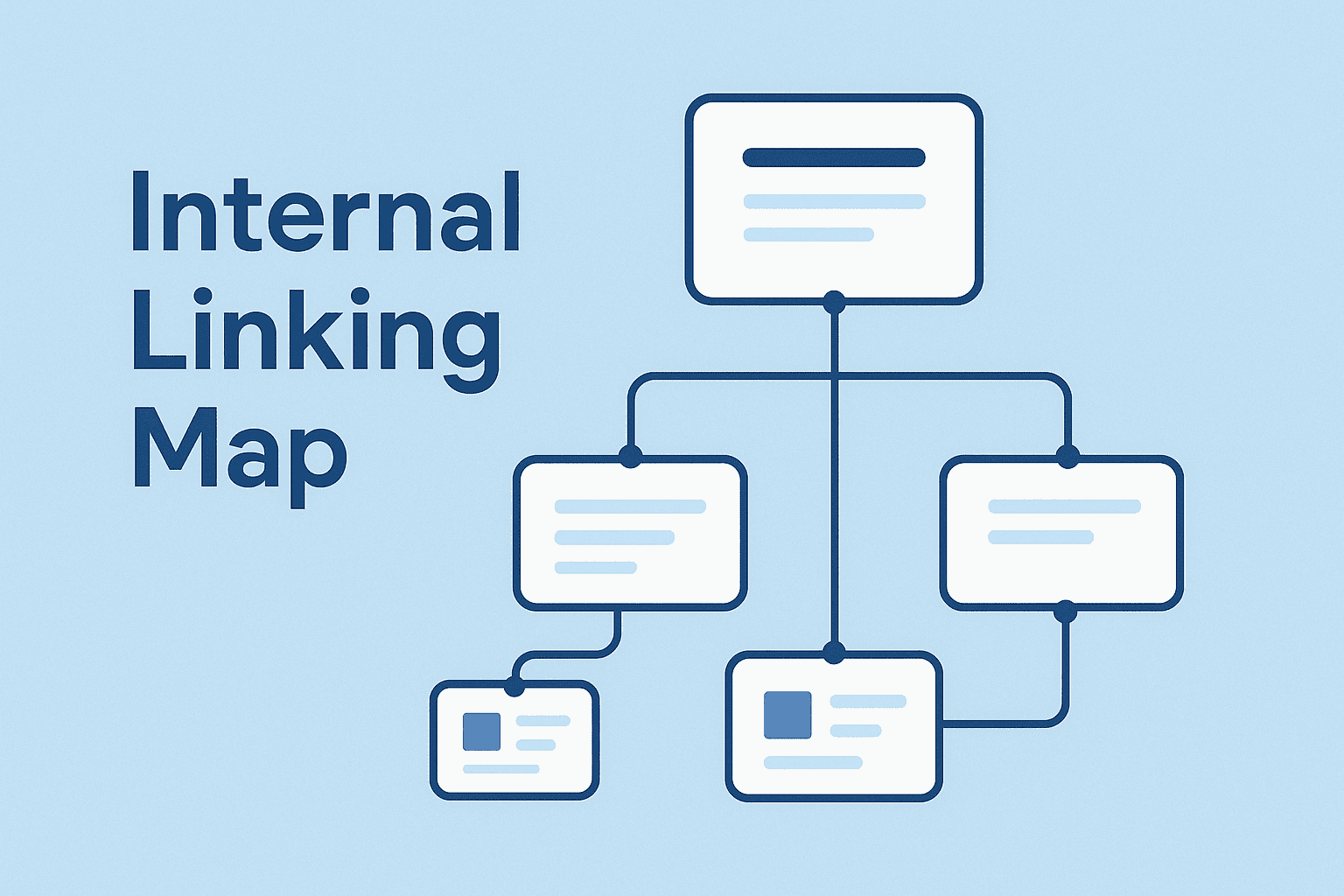
Technical SEO considerations must account for link profile data, ensuring that site architecture and internal linking support the value passed through external backlinks. This integration helps maximize the ranking impact of your link building investments.
Content marketing strategies benefit significantly from backlink monitoring insights. Understanding which content types and topics attract the most valuable links enables more targeted content creation and promotion efforts.
Outreach campaigns become more effective when informed by comprehensive link monitoring data. Understanding the link building preferences and patterns of target websites improves outreach success rates and relationship building outcomes.
Coordinating with Link Building Campaigns
Active link building campaigns require close coordination with monitoring systems to track campaign effectiveness and identify optimization opportunities. Real-time monitoring enables immediate assessment of new link acquisitions, helping refine targeting and outreach strategies.
Campaign attribution becomes possible when monitoring software can track links back to specific outreach efforts or content pieces. This attribution data proves essential for calculating return on investment and optimizing future campaigns.
Quality control processes ensure that acquired links meet your standards before being counted as campaign successes. Managing expired backlinks becomes particularly important for maintaining campaign ROI over time.
Choosing the Right Backlink Monitoring Solution
Selecting appropriate backlink monitoring software requires careful consideration of your specific needs, budget constraints, and technical requirements. Enterprise-level solutions offer comprehensive features and massive data processing capabilities but may exceed the needs of smaller organizations.
Scalability considerations ensure your chosen platform can grow with your business and handle increasing link volumes without performance degradation. Cloud-based solutions typically offer better scalability than on-premise alternatives while reducing infrastructure management overhead.
Data accuracy and freshness represent critical evaluation criteria, as outdated or incomplete link data can lead to poor strategic decisions. Evaluate potential platforms based on their crawling frequency, data coverage, and accuracy verification processes.
User interface design impacts daily productivity and adoption rates across your team. Intuitive dashboards, customizable reporting, and efficient workflow management features contribute significantly to long-term platform success.
Budget and ROI Considerations
Backlink monitoring software represents a significant investment that should be evaluated based on potential return rather than simply upfront costs. Calculate the value of preventing a single Google penalty or the revenue impact of improved search rankings to establish appropriate budget parameters.
Subscription models vary significantly between platforms, with some charging based on tracked domains, others on link volume, and some offering unlimited tracking within tier limits. Choose pricing models that align with your growth projections and usage patterns.
Hidden costs such as setup fees, training requirements, and integration expenses should be factored into total cost of ownership calculations. Some platforms require significant technical expertise while others offer turnkey solutions with minimal setup requirements.
Advanced Monitoring Techniques and Best Practices
Advanced backlink monitoring goes beyond basic link tracking to provide strategic intelligence that drives competitive advantage. Implement multi-dimensional monitoring that tracks not only your own links but also competitor acquisitions and industry trends.
Segment monitoring strategies based on link types, with different approaches for editorial links, directory submissions, guest posts, and resource page inclusions. Each link type requires specific monitoring parameters and response strategies for optimal management.
Historical data analysis reveals long-term trends and patterns that inform strategic planning. Understanding seasonal variations, campaign effectiveness over time, and the lifecycle of different link types enables more sophisticated planning and resource allocation.
Cross-platform correlation helps identify relationships between link building activities and broader marketing metrics. Connecting link data with traffic, conversion, and revenue metrics provides comprehensive ROI analysis for link building investments.
Monitoring Frequency and Alert Configuration
Optimal monitoring frequency balances comprehensive coverage with resource efficiency. High-value domains and competitive keywords may warrant daily monitoring, while stable link profiles in less competitive niches might require only weekly or monthly scans.
Alert configuration should reflect your team’s capacity to respond to notifications. Too many alerts create noise that reduces response effectiveness, while too few alerts might miss critical changes that require immediate attention.
Threshold-based alerting enables more intelligent notification systems that trigger alerts only when changes exceed predetermined significance levels. This approach reduces alert fatigue while ensuring important changes receive appropriate attention.
Future Trends in Backlink Monitoring Technology
Artificial intelligence and machine learning continue to transform backlink monitoring capabilities, enabling more sophisticated quality assessment, risk prediction, and opportunity identification. These technologies will increasingly automate routine monitoring tasks while providing deeper strategic insights.
Real-time processing capabilities are expanding, with some platforms now offering near-instantaneous link discovery and analysis. This speed enables more responsive link building strategies and faster threat mitigation when toxic links appear.
Integration with broader marketing technology stacks will deepen, creating more comprehensive attribution models and enabling automated workflow triggers based on link profile changes. This integration supports more sophisticated marketing automation and optimization strategies.
Predictive analytics will become more accurate and actionable, helping organizations anticipate link building opportunities, identify at-risk links before they’re lost, and optimize resource allocation across different link building strategies.
Emerging Technologies and Capabilities
Natural language processing advances enable better understanding of link context, anchor text relevance, and content quality surrounding backlinks. These capabilities improve quality assessment accuracy and help identify the most valuable link opportunities.
Blockchain technology may eventually provide immutable link verification systems that prevent link fraud and provide definitive link ownership records. While still emerging, these technologies could transform how link value is verified and transferred.
Voice search optimization will influence backlink monitoring as voice queries change how search engines evaluate and weight different types of links. Monitoring systems will need to adapt to track voice search-specific ranking factors and link value signals.
Measuring Success and ROI
Effective measurement of backlink monitoring success requires establishing clear metrics that connect link profile changes to business outcomes. Track not only link quantity and quality metrics but also their correlation with search rankings, organic traffic, and revenue generation.
Establish baseline measurements before implementing comprehensive monitoring systems to accurately assess improvement over time. Key performance indicators should include link retention rates, quality score improvements, toxic link detection speed, and campaign attribution accuracy.
Regular ROI analysis helps justify monitoring software investments and identify optimization opportunities. Calculate the cost savings from preventing penalties, the revenue impact of improved rankings, and the efficiency gains from automated monitoring processes.
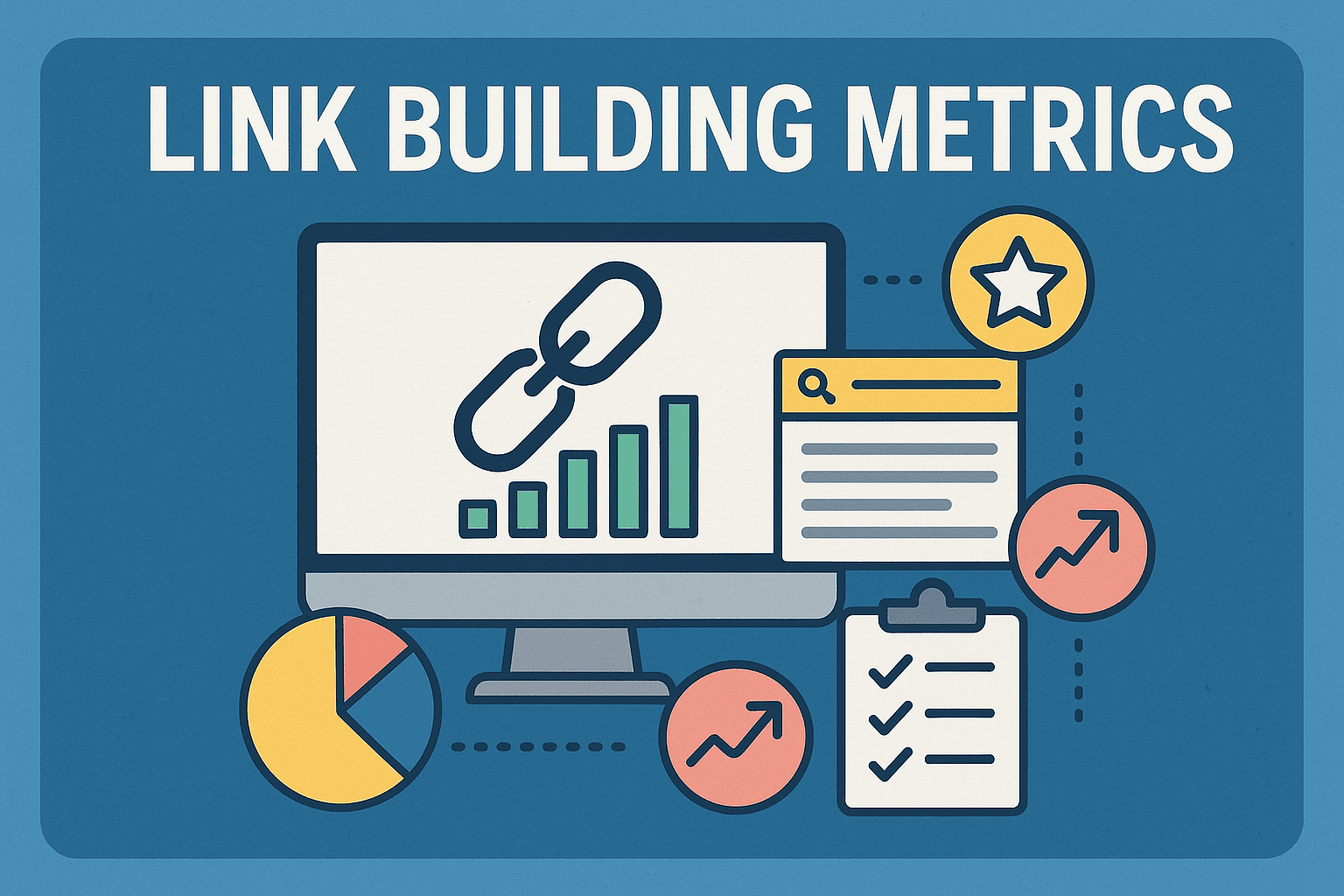
Benchmark performance against industry standards and competitor activities to maintain competitive positioning. Link building metrics provide frameworks for establishing appropriate performance targets and measurement methodologies.
Long-term success measurement requires tracking trends over extended periods rather than focusing on short-term fluctuations. Quarterly and annual reviews provide strategic perspective on monitoring effectiveness and guide future investment decisions.
Conclusion
Backlink monitoring and management software has evolved from a nice-to-have tool into an essential component of successful SEO strategies. The complexity and scale of modern link building campaigns demand sophisticated monitoring capabilities that only dedicated software platforms can provide.
The investment in comprehensive backlink monitoring pays dividends through improved link retention, faster threat detection, better campaign attribution, and more strategic resource allocation. Organizations that implement effective monitoring systems gain significant competitive advantages in search rankings and online visibility.
As search engines continue to refine their link evaluation algorithms and the digital landscape becomes increasingly competitive, the importance of sophisticated backlink monitoring will only grow. Early adoption of advanced monitoring capabilities positions organizations for long-term SEO success and sustainable competitive advantage.
The future belongs to organizations that can effectively monitor, analyze, and optimize their backlink profiles in real-time. By implementing comprehensive backlink monitoring and management software today, you establish the foundation for sustained search engine success and measurable business growth through improved online visibility.






![Longtail Pro Moz or Majestic [Full Breakdown]](https://backlinkdesk.com/wp-content/uploads/2025/11/ChatGPT-Image-Nov-14-2025-08_30_38-AM.png)



























![How Many Outbound Links Per Blog [2025 Updated]](https://backlinkdesk.com/wp-content/uploads/2025/06/How-Many-Outbound-Links-Per-Blog.png)

![B2B and B2C Website Examples [2025 Updated]](https://backlinkdesk.com/wp-content/uploads/2025/05/B2B-and-B2C-Website-Example-.png)




![What To Do After Keyword Research [2025 Guide]](https://backlinkdesk.com/wp-content/uploads/2025/05/What-To-Do-After-Keyword-Research.png)
![Is Page Speed Really A Ranking Factor? [2025]](https://backlinkdesk.com/wp-content/uploads/2025/05/Is-Page-Speed-Really-A-Ranking-Factor.png)















![Best Link Exchange Sites [Free & Safe] – Top 5 Picks](https://backlinkdesk.com/wp-content/uploads/2025/04/Free-Link-Exchange.png)