
Passive Backlink Generation Strategy: Earn Links Without Effort
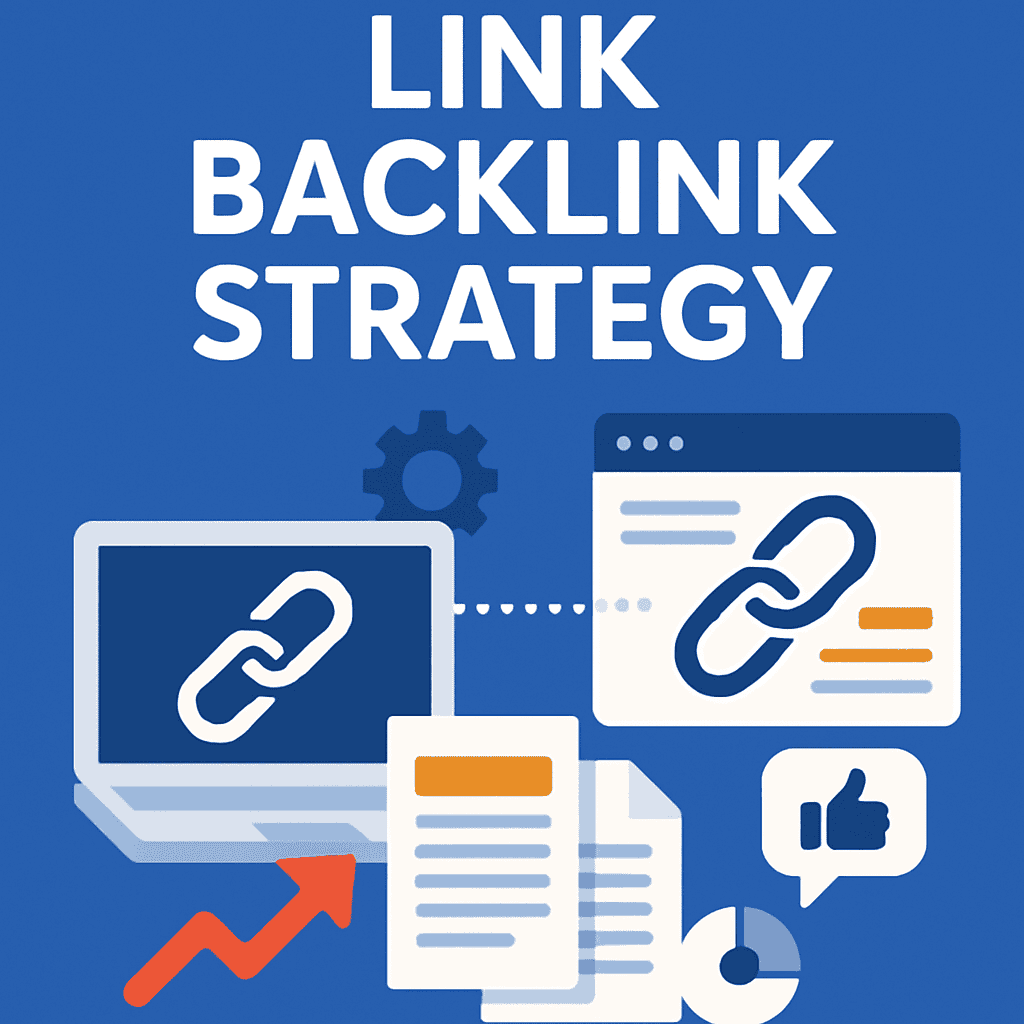
Building backlinks traditionally requires constant outreach, relationship building, and manual effort. However, passive backlink generation strategies allow you to earn high-quality links automatically by creating systems that attract links naturally. This approach transforms your website into a link magnet that continuously builds authority without daily intervention.
Passive link building focuses on creating valuable assets and implementing automated systems that generate backlinks over time. Instead of chasing individual link opportunities, you establish processes that make other websites want to link to your content organically. This strategy provides sustainable, long-term SEO growth with minimal ongoing effort.
Understanding Passive Backlink Generation
Passive backlink generation differs fundamentally from active link building. While active strategies involve direct outreach and relationship building, passive approaches create conditions where links occur naturally. This method relies on producing exceptional content, tools, and resources that other websites reference automatically.
The foundation of passive link building rests on providing genuine value to your target audience. When you create resources that solve real problems or provide unique insights, other content creators naturally reference and link to your work. This organic linking behavior forms the core of sustainable passive strategies.
Successful passive backlink generation requires understanding your audience’s needs and creating assets that become indispensable references in your industry. These assets continue generating links months or years after creation, providing compound returns on your initial investment.
Creating Link-Worthy Content Assets
The cornerstone of passive backlink generation is developing content that naturally attracts links. Comprehensive guides, original research, and industry reports consistently earn backlinks because they provide unique value that other content creators want to reference.
Original research and data studies perform exceptionally well for passive link building. When you conduct surveys, analyze industry trends, or compile unique statistics, you create quotable content that journalists and bloggers reference regularly. These data-driven pieces often generate links for years after publication.
Ultimate guides and comprehensive tutorials also attract consistent backlinks. By creating the most thorough resource on a specific topic, you establish your content as the definitive reference. Other websites naturally link to comprehensive guides when discussing related topics, creating ongoing passive link opportunities.
Visual content like infographics, charts, and interactive tools generate significant passive backlinks. Visual assets are highly shareable and often embedded on other websites with proper attribution links. Creating visually appealing content that simplifies complex information encourages natural linking behavior.
Developing Free Tools and Resources
Free tools represent one of the most effective passive backlink generation strategies. When you create useful calculators, generators, or analysis tools, other websites link to them as helpful resources for their audiences. These tools continue attracting links long after development.
Calculator tools perform particularly well for passive link building. Whether you create mortgage calculators, ROI calculators, or industry-specific calculation tools, these resources become valuable references that websites link to repeatedly. The utility value ensures consistent link generation over time.
Template and checklist resources also generate substantial passive backlinks. By offering downloadable templates, checklists, or frameworks, you create assets that other content creators reference when discussing related topics. These practical resources naturally earn links from websites seeking to provide value to their audiences.
Interactive tools and widgets can be embedded on other websites, creating automatic backlink opportunities. When you develop tools that other site owners want to offer their visitors, you establish ongoing passive link generation through embedded content.
Building Industry-Specific Resources
Creating comprehensive resource pages for your industry establishes your website as an authoritative hub that naturally attracts backlinks. These resource collections become go-to references that other websites link to when discussing industry topics.
Curated lists of industry tools, services, or resources generate consistent passive backlinks. When you maintain updated lists of the best solutions in your field, other content creators reference these compilations regularly. The ongoing value ensures sustained link generation.
Glossaries and definition pages also attract passive backlinks. By creating comprehensive glossaries of industry terms, you establish reference content that other websites link to when explaining concepts to their audiences. These educational resources provide long-term passive link value.
Implementing Content Syndication Strategies
Content syndication creates passive backlink opportunities by distributing your content across multiple platforms with attribution links. This strategy multiplies your content’s reach while generating automatic backlinks from syndication partners.
Guest posting networks and content syndication platforms can provide ongoing passive backlinks when you establish relationships with relevant websites. By creating high-quality content that syndication partners want to republish, you generate consistent link opportunities without individual outreach efforts.
Press release distribution represents another passive syndication strategy. When you have newsworthy announcements, distributing press releases through established networks generates backlinks from news sites and industry publications automatically.
Podcast guest appearances create passive backlink opportunities through show notes and episode pages. By appearing on relevant podcasts, you often receive backlinks from episode descriptions and resource sections without additional effort.
Leveraging Social Proof and Recognition
Awards, certifications, and industry recognition create natural passive backlink opportunities. When your business receives recognition, award websites, industry publications, and partner organizations often link to your website automatically.
Customer testimonials and case studies generate passive backlinks when satisfied clients reference your work on their websites. By delivering exceptional results and encouraging clients to share their experiences, you create ongoing opportunities for natural link generation.
Speaking engagements and conference presentations often result in passive backlinks from event websites, attendee blogs, and industry coverage. Establishing yourself as a thought leader creates multiple passive link opportunities through event-related content.
Building Strategic Partnerships
Strategic partnerships with complementary businesses create ongoing passive backlink opportunities. When you establish mutually beneficial relationships, partner websites often link to your resources when relevant to their content.
Affiliate and referral programs can generate passive backlinks when partners promote your services. By creating attractive partnership opportunities, you encourage other websites to link to your content as part of their promotional efforts.
Industry association memberships often provide passive backlink opportunities through member directories and resource pages. Active participation in relevant associations creates natural linking opportunities without direct outreach.
Optimizing for Passive Discovery
Search engine optimization ensures your link-worthy content gets discovered by potential linkers. When your content ranks well for relevant keywords, content creators naturally find and link to your resources during their research process.
Social media promotion amplifies your content’s reach, increasing the likelihood of passive link discovery. By sharing your link-worthy content across social platforms, you expand its visibility to potential linkers who might not find it through search alone.
Email marketing to your subscriber base can trigger passive link generation when subscribers share or reference your content on their own websites. Building an engaged email list creates a distribution network for your link-worthy content.
Influencer relationships can lead to passive backlinks when industry influencers naturally reference your content in their own work. By building genuine relationships with key industry figures, you increase the likelihood of organic mentions and links.
Monitoring and Measuring Passive Success
Tracking passive backlink generation requires monitoring tools that alert you to new links as they appear. Backlink monitoring tools help you understand which content assets generate the most passive links and identify successful strategies for replication.
Analyzing link velocity and growth patterns reveals which passive strategies produce the most consistent results. By understanding how different content types perform over time, you can focus your efforts on the most effective passive link building approaches.
Content performance metrics help identify which assets continue generating links months or years after publication. This analysis guides future content creation decisions and helps you understand what makes content truly link-worthy.
Scaling Passive Strategies
Successful passive backlink generation requires systematic content creation and promotion processes. By developing workflows for creating link-worthy assets, you can scale your passive link building efforts while maintaining quality standards.
Repurposing high-performing content into different formats multiplies passive link opportunities. When you transform successful blog posts into infographics, videos, or interactive tools, you create additional assets that can generate links independently.
Building content series and interconnected resources creates comprehensive link magnets that attract more backlinks than individual pieces. When you develop related content that works together, you establish your website as an authoritative resource hub.
Advanced Passive Link Building Techniques
API development and data feeds create ongoing passive backlink opportunities when other websites integrate your data or services. By providing valuable APIs that other developers want to use, you generate automatic attribution links from integration documentation and user implementations.
White-label tools and resources can generate passive backlinks when other businesses use and credit your solutions. Creating tools that other companies can brand and use establishes ongoing link generation through user implementations.
Educational content partnerships with universities and training organizations create sustainable passive link opportunities. By developing educational resources that institutions want to reference, you establish long-term passive link generation from academic sources.
Open-source projects and code repositories generate passive backlinks from developer communities and technical websites. When you contribute valuable code or tools to open-source communities, you create ongoing opportunities for natural link generation.
Common Passive Link Building Mistakes
Many websites fail at passive link building by creating content that lacks genuine utility or uniqueness. Simply producing more content without focusing on exceptional value rarely generates sustainable passive backlinks. Quality always outperforms quantity in passive link generation.
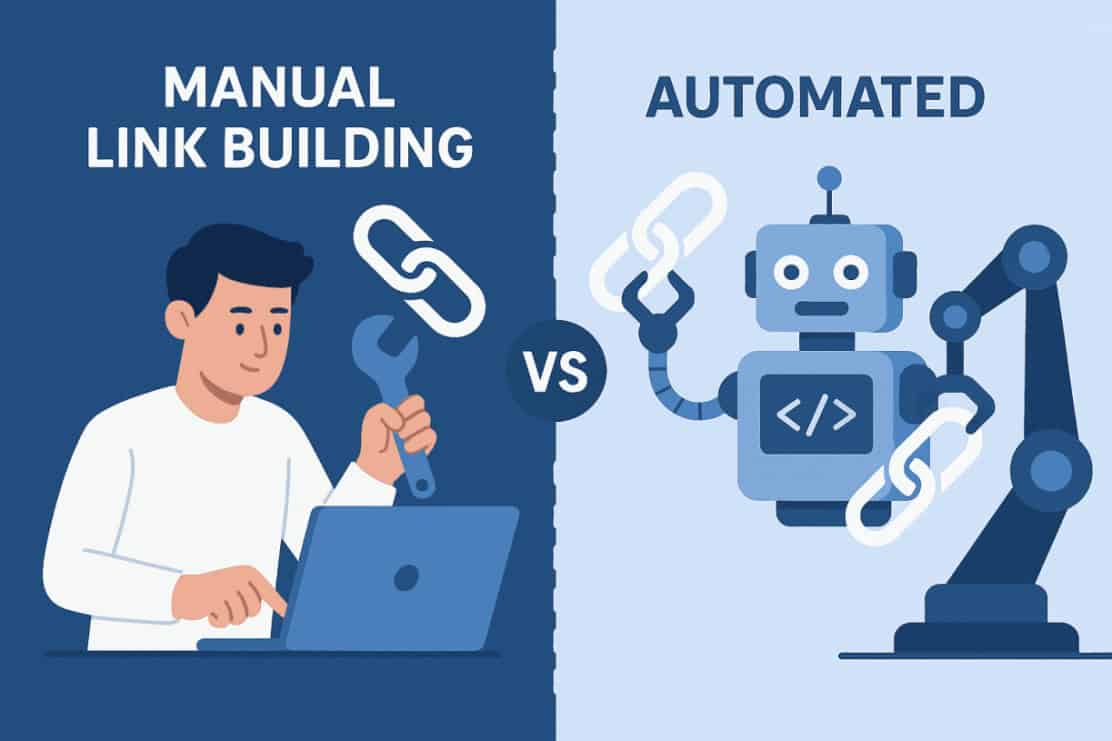
Neglecting content promotion limits passive link discovery opportunities. Even the best content needs initial promotion to gain visibility and start generating passive links. Manual link building vs automated approaches both play roles in successful passive strategies.
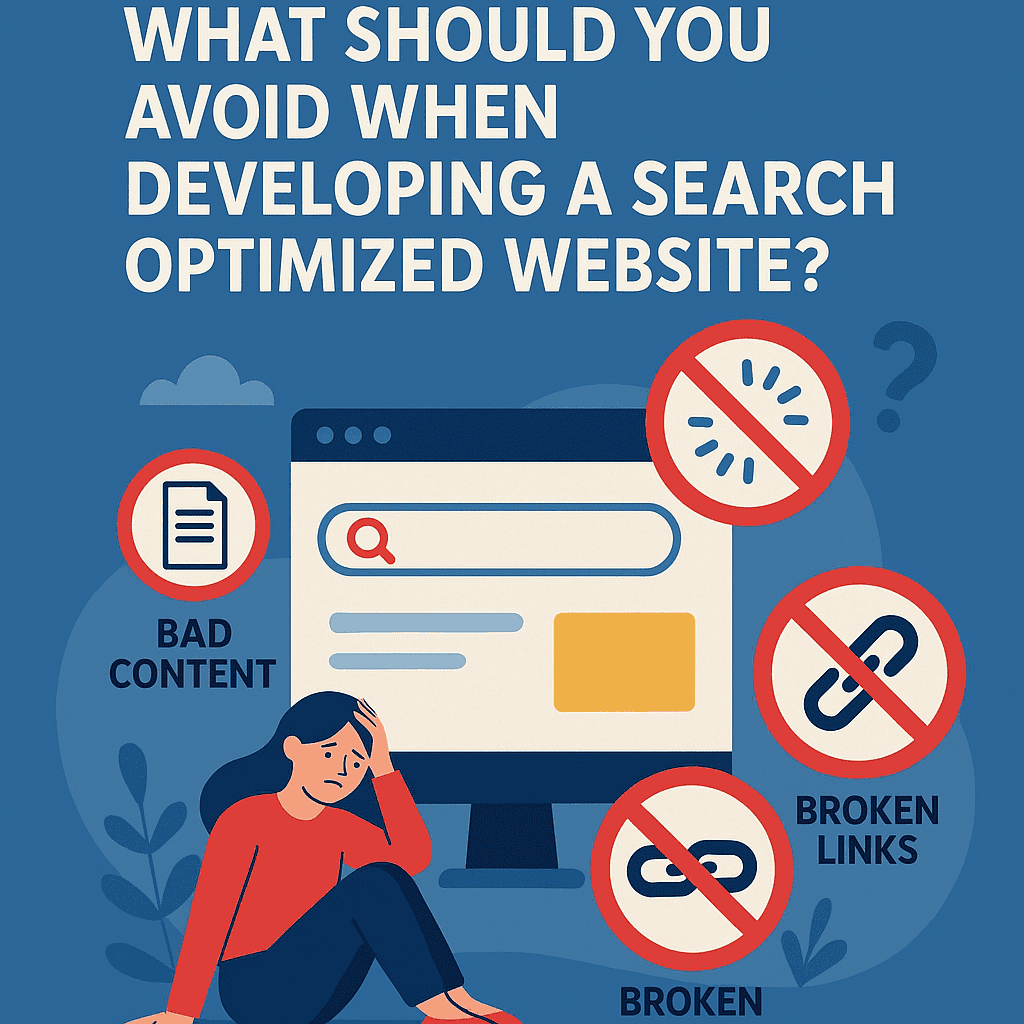
Failing to update and maintain link-worthy resources reduces their long-term passive link generation potential. Outdated tools, broken calculators, or obsolete information discourage new links and may result in existing links being removed.
Ignoring technical SEO issues prevents potential linkers from discovering your content through search engines. Slow loading times, mobile optimization problems, or crawling issues limit the passive discovery that drives natural link generation.
Avoiding Over-Optimization
Over-optimizing anchor text in passive link building can appear manipulative and reduce link quality. Natural passive links typically use varied, organic anchor text that reflects how real users would reference your content.
Creating content solely for link building without considering user value often fails to generate sustainable passive backlinks. The most effective passive strategies focus on genuine utility first, with link generation as a natural byproduct.
Pursuing quantity over quality in passive link building can harm your overall link profile. Focus on creating fewer, higher-quality assets that generate valuable links rather than numerous low-value resources.
Future-Proofing Your Passive Strategy
Sustainable passive backlink generation requires adapting to changing search algorithms and user behaviors. By focusing on fundamental value creation rather than tactical manipulation, your passive strategies remain effective regardless of algorithm updates.
Diversifying your passive link building approaches reduces dependence on any single strategy. Combining content marketing, tool development, and relationship building creates a robust passive system that continues generating links through various channels.
Investing in evergreen content topics ensures your passive link building assets remain relevant over time. While trending topics may generate short-term links, evergreen resources provide sustained passive link generation for years.
Building authentic relationships within your industry supports long-term passive link generation. When you establish genuine connections with other content creators and industry professionals, you create ongoing opportunities for natural mentions and links.
Measuring Long-Term ROI
Calculating the return on investment for passive backlink generation requires tracking both immediate and compound returns. While active link building provides quick results, passive strategies often show their true value months or years after implementation.
Analyzing the lifetime value of link-worthy content helps justify the initial investment in passive strategies. When a single comprehensive guide generates dozens of backlinks over several years, the long-term ROI often exceeds active link building approaches.
Tracking brand mentions and unlinked citations reveals the broader impact of passive link building efforts. Many passive strategies generate brand awareness and mentions that may not immediately result in links but contribute to long-term authority building.
Understanding the compounding effects of passive backlink generation helps set realistic expectations and timelines. Unlike active strategies that provide immediate results, passive approaches build momentum over time, often accelerating as your content gains recognition and authority.
Successful passive backlink generation transforms your website into a link magnet that continuously builds authority without constant manual effort. By focusing on exceptional value creation, strategic content development, and systematic promotion, you establish sustainable link building systems that work around the clock. While passive strategies require patience and initial investment, they provide compound returns that often exceed traditional active link building approaches. Affordable link building services can complement your passive strategies, but the most sustainable long-term growth comes from building systems that generate links automatically through genuine value creation.



![Longtail Pro Moz or Majestic [Full Breakdown]](https://backlinkdesk.com/wp-content/uploads/2025/11/ChatGPT-Image-Nov-14-2025-08_30_38-AM.png)












![How Many Outbound Links Per Blog [2025 Updated]](https://backlinkdesk.com/wp-content/uploads/2025/06/How-Many-Outbound-Links-Per-Blog.png)

![B2B and B2C Website Examples [2025 Updated]](https://backlinkdesk.com/wp-content/uploads/2025/05/B2B-and-B2C-Website-Example-.png)

![What To Do After Keyword Research [2025 Guide]](https://backlinkdesk.com/wp-content/uploads/2025/05/What-To-Do-After-Keyword-Research.png)
![Is Page Speed Really A Ranking Factor? [2025]](https://backlinkdesk.com/wp-content/uploads/2025/05/Is-Page-Speed-Really-A-Ranking-Factor.png)















![Best Link Exchange Sites [Free & Safe] – Top 5 Picks](https://backlinkdesk.com/wp-content/uploads/2025/04/Free-Link-Exchange.png)