
Track High Authority Backlinks in Real Time
In the competitive landscape of search engine optimization, tracking high authority backlinks in real time has become a critical component of successful digital marketing strategies. The ability to monitor your backlink profile continuously provides invaluable insights that can make the difference between ranking on page one or getting lost in the search results.
Real-time backlink tracking goes beyond simple link counting. It involves sophisticated monitoring systems that alert you immediately when new high-quality links are acquired, when existing links are lost, and when competitors gain valuable link equity. This comprehensive approach to backlink surveillance ensures that your SEO efforts remain proactive rather than reactive.
Understanding High Authority Backlinks
High authority backlinks are links from websites that search engines consider trustworthy and influential within their respective industries. These links carry significantly more weight than ordinary backlinks because they come from established domains with strong domain authority, substantial organic traffic, and proven credibility.
The characteristics that define high authority backlinks include domain authority scores above 50, consistent organic traffic patterns, editorial standards that ensure quality content, and topical relevance to your industry or niche. These links typically come from established news publications, industry-leading blogs, educational institutions, government websites, and well-respected business directories.
Search engines like Google use complex algorithms to evaluate the authority of linking domains. They consider factors such as the linking site’s age, content quality, user engagement metrics, and the overall link profile of the domain. When a high authority site links to your content, it essentially vouches for your credibility and expertise in your field.
The Importance of Real-Time Monitoring
Real-time backlink monitoring provides immediate visibility into changes affecting your link profile. This instant awareness allows you to capitalize on new opportunities quickly and address potential issues before they impact your search rankings. Traditional monthly or weekly backlink audits often miss critical changes that could affect your SEO performance.
When you track backlinks in real time, you can identify patterns in your link acquisition that might not be apparent through periodic reviews. You might discover that certain types of content consistently attract high authority links, or that specific outreach strategies yield better results during particular times of the year.
Real-time tracking also enables you to respond quickly to negative SEO attacks or accidental link losses. If a high authority site removes your link or if you suddenly acquire suspicious low-quality links, immediate notification allows you to take corrective action before search engines penalize your site.
Setting Up Effective Backlink Tracking Systems
Establishing a robust real-time backlink tracking system requires careful planning and the right combination of tools and processes. The foundation of effective tracking begins with comprehensive baseline documentation of your current backlink profile, including detailed records of all existing high authority links.
Your tracking system should monitor multiple data points for each backlink, including the linking domain’s authority metrics, the specific page linking to your site, the anchor text used, the link’s position within the content, and any changes to these elements over time. This granular level of monitoring ensures that you capture the complete picture of your link profile’s evolution.
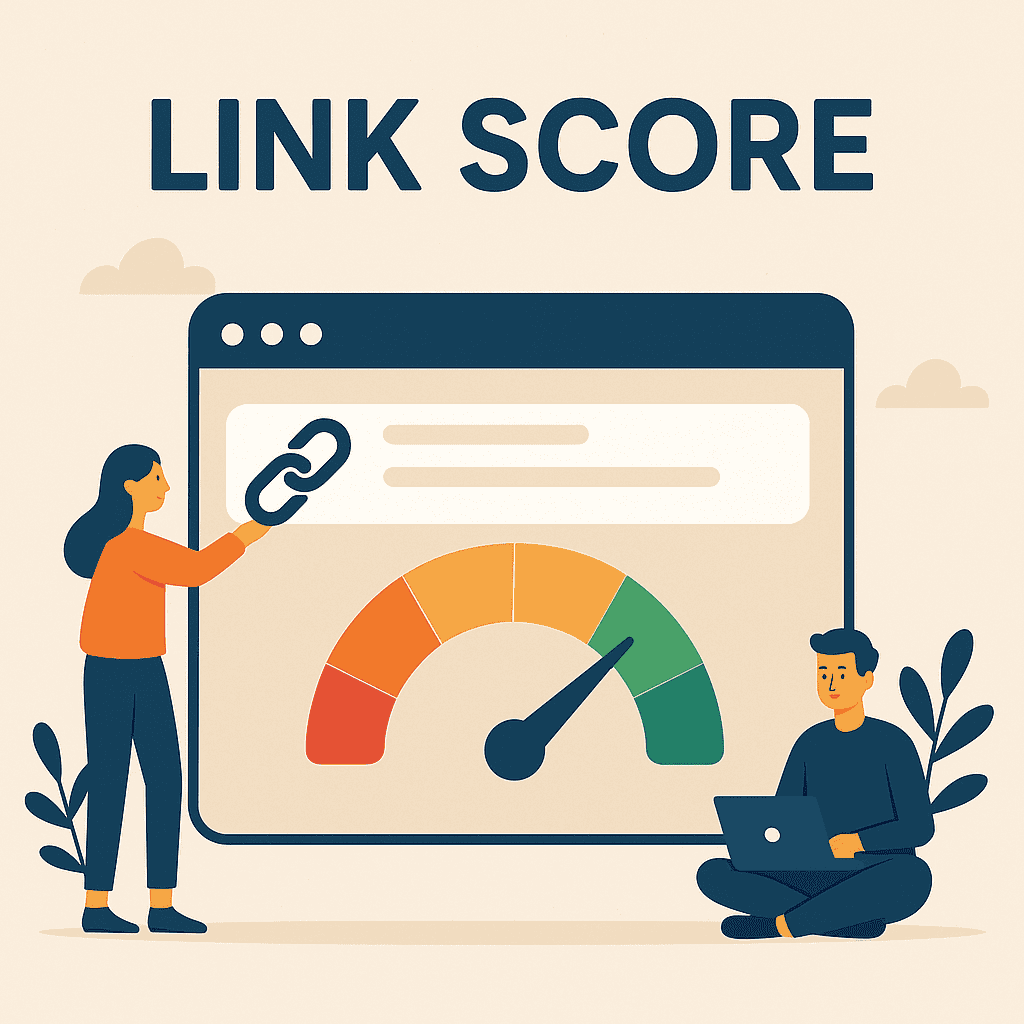
Automated alert systems form the backbone of real-time monitoring. Configure notifications for new high authority links, lost links from important domains, changes in anchor text distribution, and significant fluctuations in your overall domain authority. These alerts should be customizable based on authority thresholds, so you’re only notified about links that meet your quality standards.
Key Metrics to Monitor
Effective backlink tracking requires monitoring specific metrics that indicate the health and growth of your link profile. Domain authority and page authority of linking sites provide fundamental measures of link quality. Track these metrics over time to ensure that your average link quality improves rather than degrades.
Anchor text diversity represents another critical metric. Monitor the distribution of anchor texts pointing to your site to maintain a natural-looking link profile. Sudden changes in anchor text patterns could indicate algorithmic risks or opportunities for optimization.
Link velocity, or the rate at which you acquire new backlinks, should follow natural growth patterns. Tracking this metric helps you identify unusual spikes or drops in link acquisition that might require investigation. Healthy link velocity typically shows steady growth with occasional spikes corresponding to successful content marketing campaigns or PR efforts.
The referring domain ratio measures how many unique domains link to your site compared to the total number of backlinks. A healthy ratio indicates link diversity, while a poor ratio might suggest over-reliance on a few linking domains. Monitor this metric to ensure balanced link acquisition across multiple authoritative sources.
Competitor Backlink Intelligence
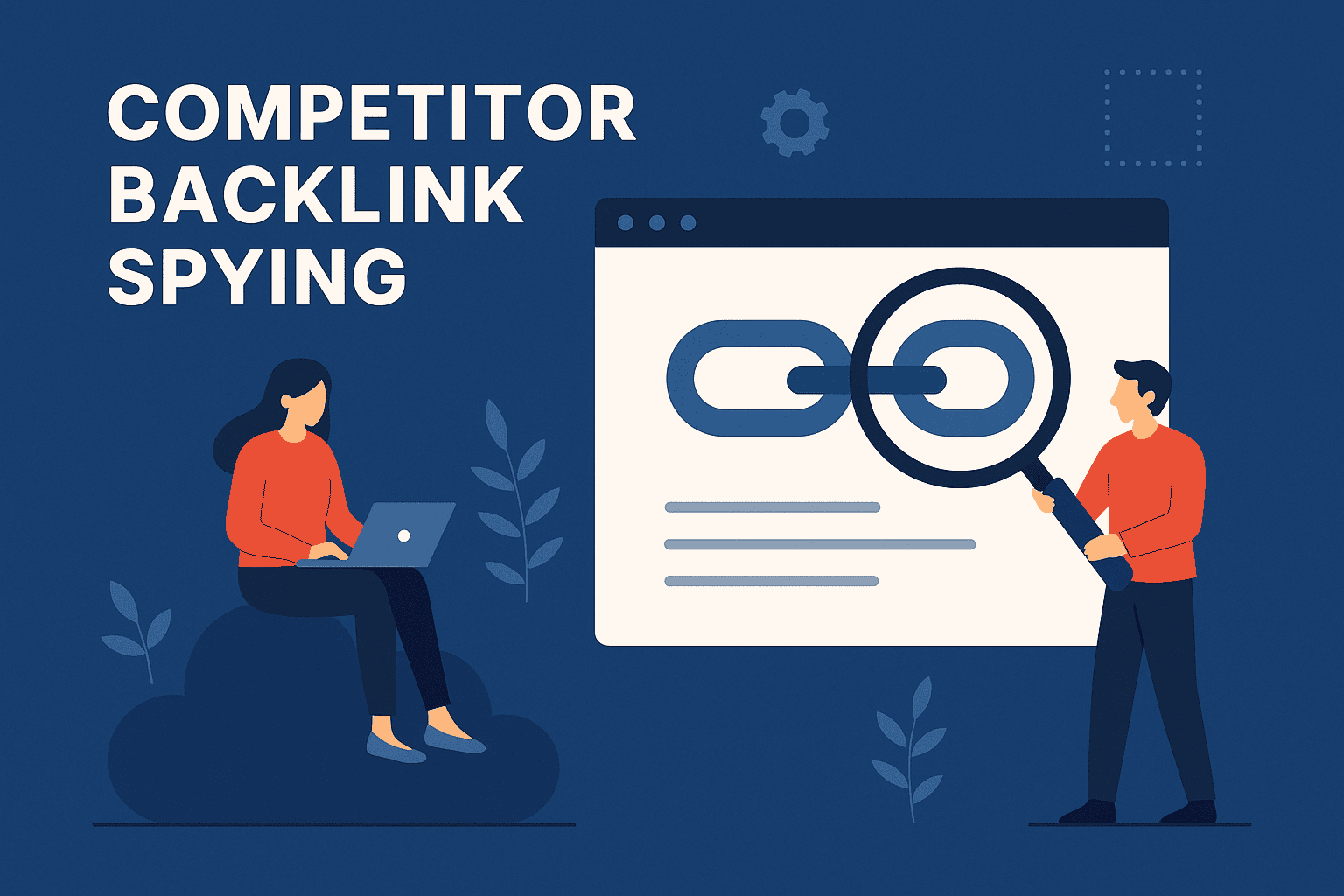
Real-time competitor backlink tracking provides strategic advantages that extend far beyond simple competitive analysis. By monitoring when competitors acquire new high authority links, you can identify emerging link opportunities and industry trends before they become saturated.
Competitor tracking reveals successful content strategies and outreach tactics that you can adapt for your own link building efforts. When a competitor consistently attracts links from specific types of websites, analyzing their approach can inform your own outreach strategy and content development.
Monitor competitor link losses as carefully as their gains. When competitors lose high authority links, these situations often present opportunities for you to pursue those same linking opportunities. The websites that previously linked to competitors might be receptive to linking to superior content or resources that you can provide.
Establish tracking for your top five to ten competitors, focusing on those who consistently rank for your target keywords. Monitor their most valuable backlinks and set up alerts when they gain or lose links from domains with authority scores above your threshold criteria.
Automated Alert Configuration
Intelligent alert configuration ensures that you receive actionable notifications without being overwhelmed by irrelevant information. Set up tiered alert systems that prioritize notifications based on the authority and relevance of linking domains. High-priority alerts should trigger for links from domains with authority scores above 70, while medium-priority alerts can cover domains in the 50-70 range.
Configure alerts for specific types of link changes that require immediate attention. New follow links from high authority domains warrant immediate notification, while nofollow links might only require daily or weekly summaries. Lost links from your most valuable referring domains should trigger urgent alerts that allow for quick recovery efforts.
Customize alert frequency to match your team’s capacity for response. Daily digest emails work well for most organizations, but high-volume sites or those in competitive industries might benefit from more frequent notifications. Balance the need for timely information with the risk of alert fatigue that can cause important notifications to be ignored.
Include contextual information in your alerts to enable quick decision-making. Each notification should specify the linking domain’s authority metrics, the linked page on your site, the anchor text used, and any relevant historical context about the linking domain.
Link Profile Optimization Strategies
Real-time backlink data enables sophisticated optimization strategies that improve your overall link profile quality. Use tracking data to identify gaps in your link profile, such as underrepresented industry categories or geographic regions that could provide valuable link opportunities.
Analyze the content that attracts the most high authority links to understand what resonates with influential websites in your industry. This analysis should examine content formats, topics, depth of coverage, and presentation styles that consistently earn editorial links from authoritative sources.
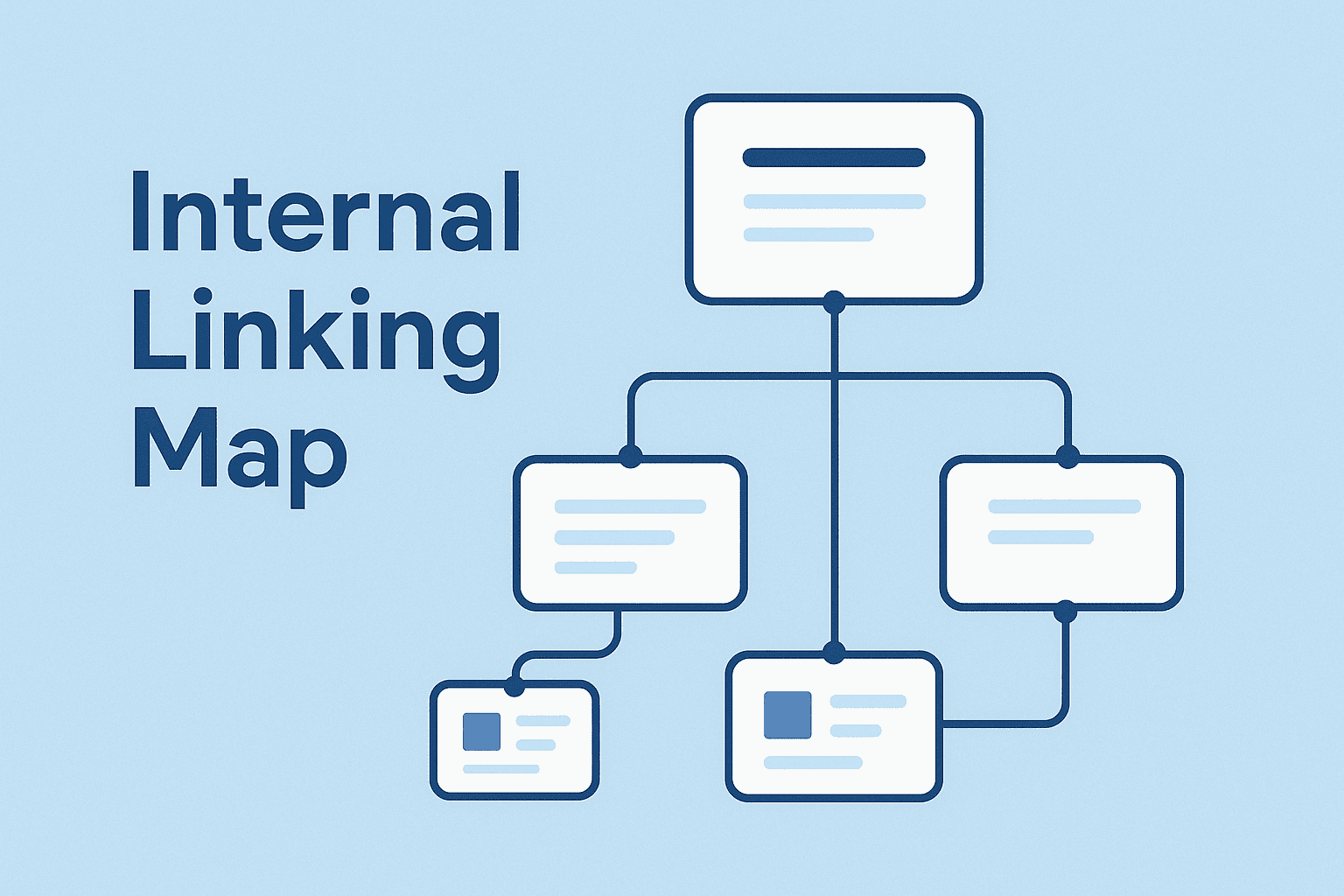
Implement strategic internal linking based on your external backlink patterns. Pages that attract high authority external links should be strategically connected to other important pages on your site through internal links, helping to distribute link equity effectively throughout your site architecture.
Use backlink data to inform your content calendar and outreach priorities. When you identify websites that frequently link to content similar to yours, prioritize creating resources that would appeal to those specific audiences and reaching out to those sites with your new content.
Technical Implementation Considerations
Implementing real-time backlink tracking requires careful attention to technical details that ensure accurate and comprehensive monitoring. API integrations with major backlink databases provide the most current data, but these integrations must be configured properly to avoid rate limiting and ensure data accuracy.
Data storage and processing capabilities become critical when tracking backlinks in real time. Your system must handle large volumes of data efficiently while maintaining quick query response times for alerts and reporting. Consider implementing data archiving strategies that preserve historical backlink data without impacting system performance.
Establish redundant monitoring systems to ensure continuous tracking even if primary data sources experience downtime. Multiple data sources also provide validation and help identify discrepancies that might indicate data quality issues or emerging link opportunities that only some crawlers have discovered.
Regular system maintenance and calibration ensure that your tracking remains accurate over time. Backlink databases update their algorithms and crawling patterns regularly, so your monitoring systems must adapt to these changes to maintain reliability.
Advanced Tracking Techniques
Sophisticated backlink tracking goes beyond basic link monitoring to include predictive analytics and pattern recognition. Machine learning algorithms can analyze historical backlink data to predict future link acquisition opportunities and identify potential risks before they materialize.
Implement sentiment analysis for the content surrounding your backlinks. Understanding whether links appear in positive, neutral, or negative contexts provides valuable insights into how your brand is perceived and discussed across the web. This information can inform both SEO strategy and broader marketing initiatives.
Geographic tracking reveals regional patterns in your link acquisition that can inform localization strategies and international SEO efforts. Understanding which regions provide the most valuable links helps prioritize outreach efforts and content localization investments.
Track the relationship between backlink acquisition and other marketing activities. Correlating link gains with PR campaigns, content releases, social media activities, and paid advertising efforts helps identify the most effective integrated marketing strategies.
Measuring ROI and Performance
Effective backlink tracking must demonstrate clear return on investment through measurable improvements in search rankings, organic traffic, and business outcomes. Establish baseline metrics before implementing real-time tracking to accurately measure the impact of your enhanced monitoring capabilities.
Track the correlation between high authority link acquisition and keyword ranking improvements. This analysis helps quantify the value of different types of links and informs budget allocation decisions for link building activities. Backlink monitoring tools can provide detailed analytics that connect link acquisition directly to ranking improvements.
Monitor the speed of ranking improvements following high authority link acquisition. Real-time tracking often reveals that rankings improve more quickly when you can identify and leverage new links immediately, rather than discovering them weeks later through traditional auditing processes.
Calculate the cost savings achieved through early detection of link losses and rapid response to negative SEO attacks. The ability to address these issues quickly often prevents ranking losses that would be much more expensive to recover from than to prevent.
Integration with Broader SEO Strategy
Real-time backlink tracking should integrate seamlessly with your broader SEO strategy and other marketing initiatives. Use backlink data to inform keyword targeting decisions, identifying opportunities where high authority links could help you compete for more valuable search terms.
Coordinate backlink tracking with content marketing efforts to maximize the impact of both activities. When real-time monitoring reveals that certain types of content consistently attract high authority links, prioritize creating more content in those formats and topics.
Align backlink tracking with technical SEO monitoring to ensure that technical issues don’t prevent you from maximizing the value of high authority links. Regular technical audits should verify that linked pages load quickly, display correctly, and provide excellent user experiences that justify the editorial links they’ve received.
Connect backlink data with conversion tracking to understand which high authority links drive the most valuable traffic. This analysis helps prioritize link building efforts toward opportunities that generate not just SEO value but also business results.
Future-Proofing Your Tracking Strategy
The landscape of backlink tracking continues evolving as search engines refine their algorithms and new technologies emerge. Stay informed about changes in how search engines evaluate and weight different types of links, adjusting your tracking priorities accordingly.
Prepare for increased emphasis on brand mentions and unlinked citations as ranking factors. Modern tracking systems should monitor not just traditional backlinks but also brand mentions, social signals, and other forms of online authority that search engines increasingly consider.
Consider the growing importance of entity-based SEO and how backlinks from sites that are strongly associated with your industry entities carry additional weight. Tracking backlink profile changes in the context of entity relationships provides deeper insights into link value.
Invest in tracking systems that can adapt to new data sources and ranking factors as they emerge. The most successful long-term SEO strategies are built on flexible foundations that can incorporate new types of signals and metrics as search engines evolve.
Common Pitfalls and How to Avoid Them
Many organizations make critical mistakes when implementing real-time backlink tracking that can undermine their SEO efforts. Over-reliance on automated systems without human oversight often leads to missed opportunities or inappropriate responses to tracking alerts.
Avoid focusing exclusively on quantity metrics at the expense of quality indicators. While tracking the total number of backlinks provides useful information, the authority and relevance of linking domains matter far more than raw link counts for search engine rankings.
Don’t ignore the context surrounding your backlinks when analyzing tracking data. A link from a high authority domain might have little SEO value if it appears in an irrelevant context or is surrounded by low-quality content that diminishes its credibility.
Prevent alert fatigue by carefully configuring notification thresholds and frequencies. Too many alerts can cause important notifications to be ignored, while too few alerts might cause you to miss critical changes in your link profile.
Building a Sustainable Tracking Workflow
Sustainable backlink tracking requires establishing clear workflows and responsibilities that ensure consistent monitoring without overwhelming your team. Assign specific team members to monitor different aspects of your backlink profile, with clear escalation procedures for high-priority alerts.
Develop standard operating procedures for responding to different types of backlink changes. Having predetermined response protocols for new high authority links, lost valuable links, and suspicious link activity ensures consistent and effective action regardless of who is monitoring the system.
Regular training and system updates keep your team current with best practices and new features in your tracking tools. The backlink landscape changes rapidly, and your team’s skills must evolve to maintain effective monitoring and response capabilities.
Create comprehensive documentation of your tracking setup, alert configurations, and response procedures. This documentation ensures continuity when team members change and provides a foundation for training new staff members on your backlink monitoring processes.
Effective real-time backlink tracking transforms reactive SEO management into proactive strategy execution. By implementing comprehensive monitoring systems, configuring intelligent alerts, and maintaining focus on high authority link opportunities, you can build sustainable competitive advantages that drive long-term search engine success. The investment in sophisticated tracking capabilities pays dividends through improved rankings, increased organic traffic, and enhanced online authority that supports all your digital marketing efforts. Automated backlink software can streamline many of these processes while maintaining the human oversight necessary for strategic decision-making.


![Longtail Pro Moz or Majestic [Full Breakdown]](https://backlinkdesk.com/wp-content/uploads/2025/11/ChatGPT-Image-Nov-14-2025-08_30_38-AM.png)
















![How Many Outbound Links Per Blog [2025 Updated]](https://backlinkdesk.com/wp-content/uploads/2025/06/How-Many-Outbound-Links-Per-Blog.png)

![B2B and B2C Website Examples [2025 Updated]](https://backlinkdesk.com/wp-content/uploads/2025/05/B2B-and-B2C-Website-Example-.png)


![What To Do After Keyword Research [2025 Guide]](https://backlinkdesk.com/wp-content/uploads/2025/05/What-To-Do-After-Keyword-Research.png)
![Is Page Speed Really A Ranking Factor? [2025]](https://backlinkdesk.com/wp-content/uploads/2025/05/Is-Page-Speed-Really-A-Ranking-Factor.png)








![Best Link Exchange Sites [Free & Safe] – Top 5 Picks](https://backlinkdesk.com/wp-content/uploads/2025/04/Free-Link-Exchange.png)