
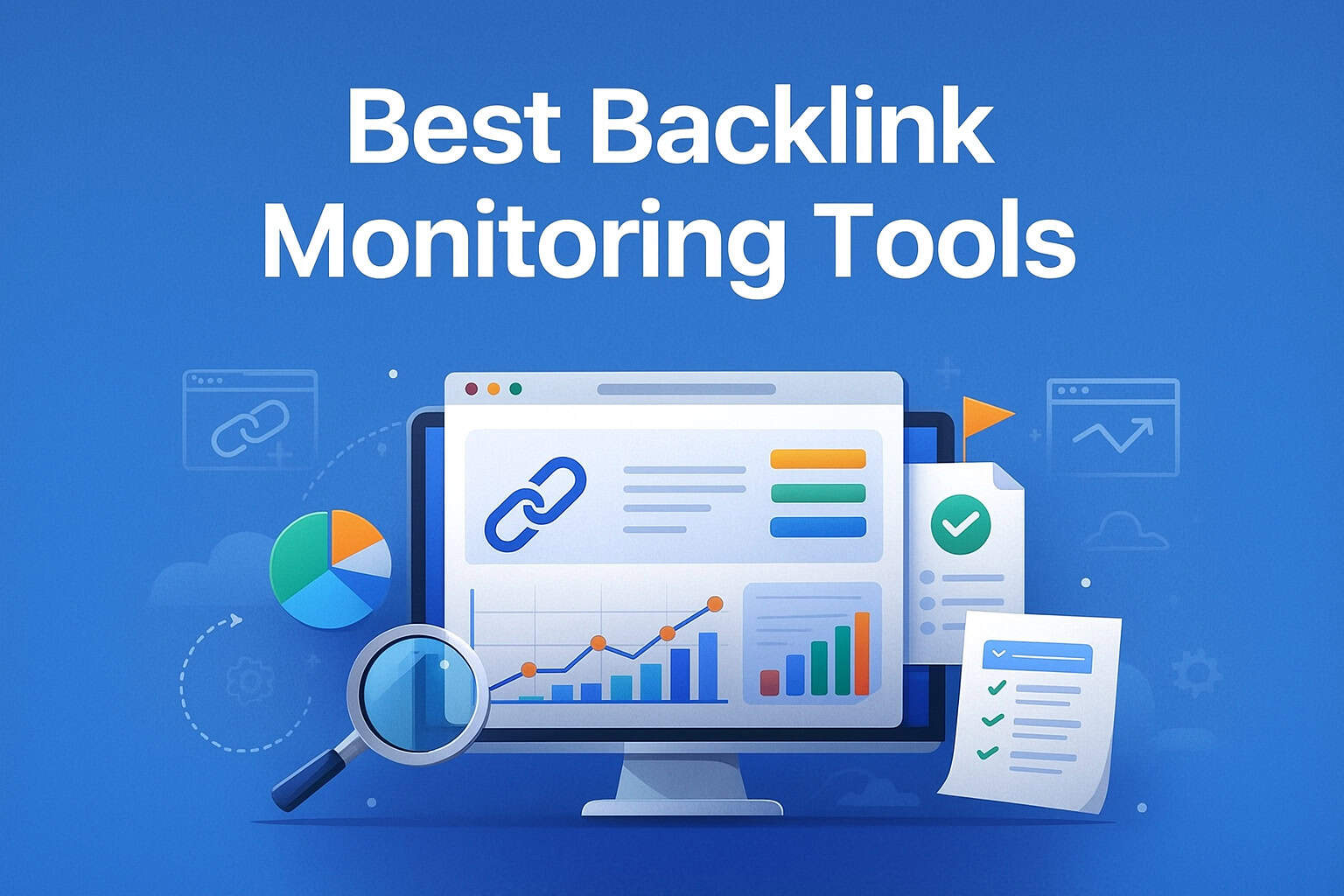
Backlink Monitoring and Management: Live Dashboard Insights
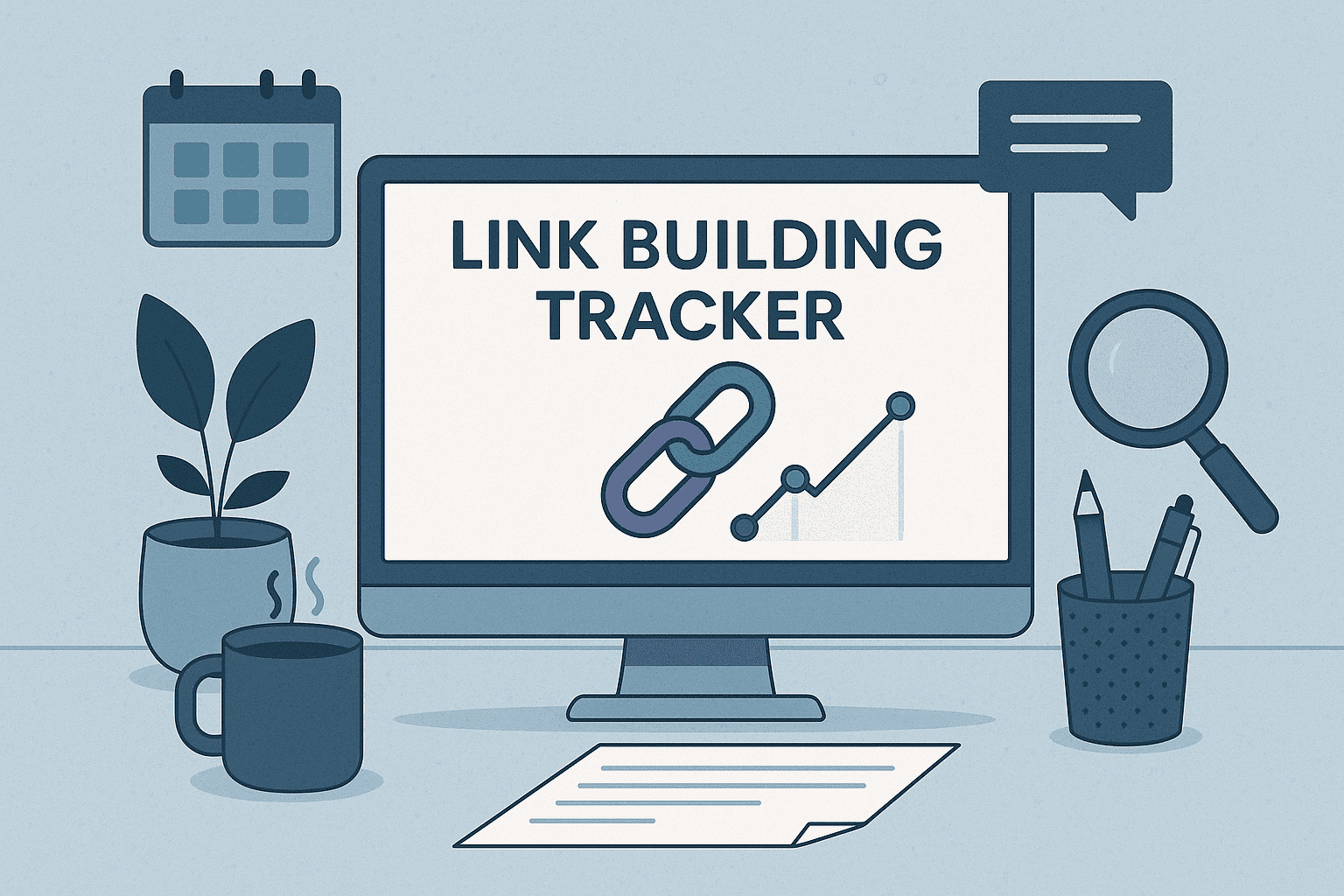
Managing backlinks effectively requires constant vigilance and sophisticated monitoring systems. Modern backlink monitoring dashboards have transformed how SEO professionals track, analyze, and optimize their link profiles. These powerful platforms provide real-time insights that enable proactive link management strategies and help maintain healthy backlink portfolios.
Understanding Real-Time Backlink Monitoring
Real-time backlink monitoring represents a significant advancement in SEO technology. Traditional backlink analysis relied on periodic manual checks or scheduled reports that often missed critical changes. Modern monitoring systems continuously scan the web, detecting new backlinks, lost links, and changes to existing links within hours of occurrence.
This immediate awareness allows SEO professionals to respond quickly to both opportunities and threats. When a high-authority website links to your content, you can capitalize on the momentum by promoting that content further. Conversely, when toxic links appear or valuable links disappear, you can take corrective action before significant ranking damage occurs.
The technology behind real-time monitoring involves sophisticated crawling algorithms that continuously index web pages and track link relationships. These systems maintain massive databases of link data, updating records as changes are detected across the internet. The result is a comprehensive, up-to-date view of your backlink profile that updates throughout the day.
Essential Dashboard Features for Link Management
Effective backlink monitoring dashboards incorporate several critical features that enable comprehensive link profile management. The most important element is a centralized overview that displays key metrics at a glance, including total backlinks, referring domains, domain authority distribution, and recent changes.
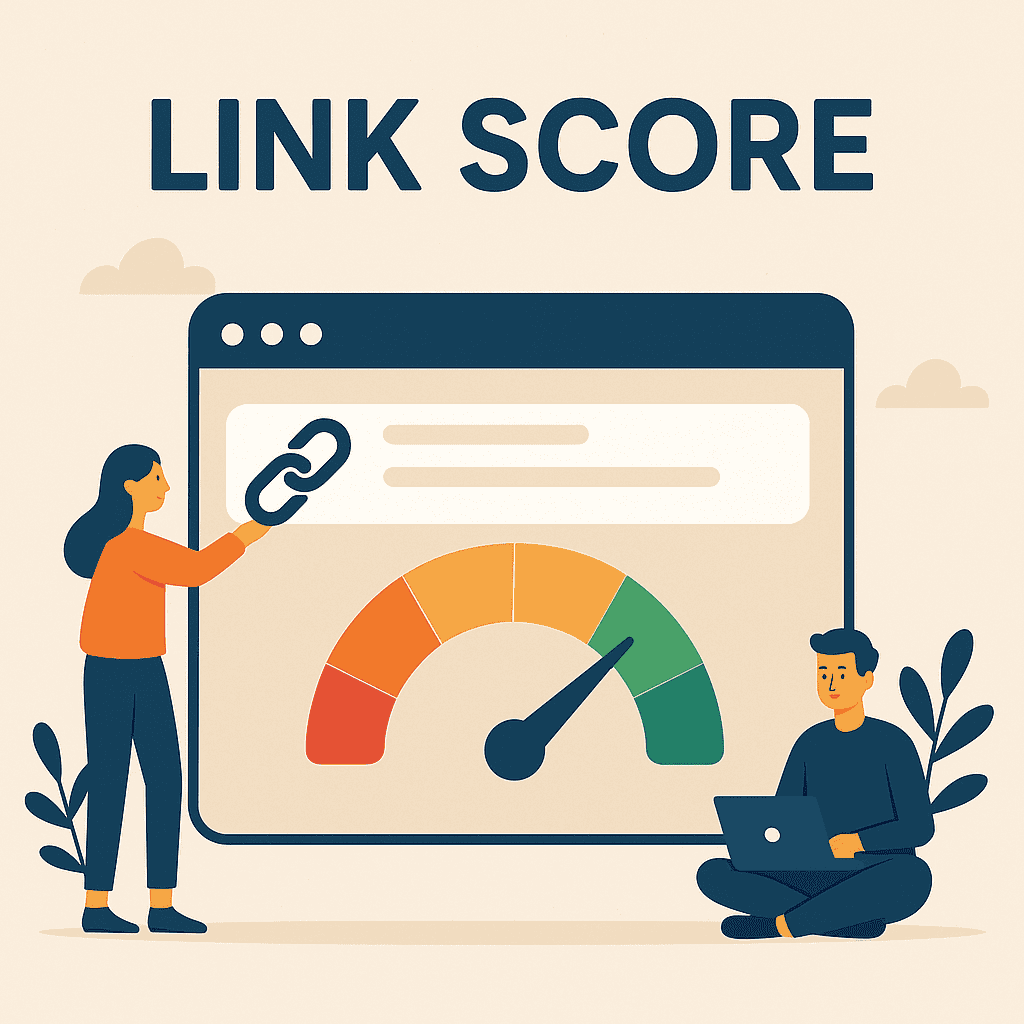
Link quality scoring represents another crucial dashboard component. Advanced systems analyze multiple factors to assess link value, including domain authority, page relevance, anchor text diversity, and link placement. These scores help prioritize which links deserve attention and which might pose risks to your rankings.
Historical tracking capabilities allow users to identify trends and patterns in their backlink profiles. By visualizing link acquisition and loss over time, you can correlate changes with specific marketing campaigns, content releases, or algorithm updates. This historical perspective informs future strategy decisions and helps predict potential issues.
Alert systems notify users of significant changes requiring immediate attention. These might include sudden spikes in low-quality links, loss of high-value backlinks, or detection of negative SEO attacks. Customizable alert thresholds ensure you receive notifications for changes that matter most to your specific situation.
Identifying and Managing Toxic Links
Toxic link detection represents one of the most valuable aspects of modern backlink monitoring. These harmful links can severely impact search rankings if left unchecked. Sophisticated algorithms analyze multiple risk factors to identify potentially dangerous backlinks before they cause significant damage.
Common toxic link characteristics include links from penalized domains, sites with suspicious link patterns, irrelevant or low-quality content, and pages with excessive outbound links. Advanced detection systems also identify more subtle warning signs, such as unnatural anchor text distributions or links from networks of related low-quality sites.
Once toxic links are identified, effective management requires a systematic approach. The first step involves categorizing threats by severity and potential impact. High-risk links from clearly spammy domains require immediate attention, while borderline cases might warrant further investigation before action.
The disavowal process represents the primary method for neutralizing toxic links when direct removal isn’t possible. Modern monitoring platforms often integrate disavowal file generation, making it easier to compile and submit lists of harmful links to search engines. Regular disavowal file updates ensure ongoing protection against negative SEO attacks.
Quality Metrics and Performance Tracking
Comprehensive quality assessment goes beyond simple domain authority scores. Modern monitoring systems evaluate multiple dimensions of link quality to provide nuanced insights into backlink value. These assessments consider topical relevance, link context, traffic potential, and long-term sustainability.
Topical relevance analysis examines whether linking sites operate in related industries or cover complementary topics. Links from topically relevant sources typically provide more value than those from unrelated sites, even if the unrelated sites have higher domain authority. This analysis helps prioritize outreach efforts and identify the most valuable link opportunities.
Link context evaluation assesses where links appear within content and how they’re presented. Editorial links within relevant content typically carry more weight than sidebar or footer links. Context analysis also considers surrounding text, helping determine whether links appear natural or potentially manipulative.
Traffic potential metrics estimate the direct referral value of backlinks beyond their SEO benefits. Links from high-traffic pages in relevant contexts can drive significant direct traffic, providing immediate value while supporting long-term ranking improvements. This dual benefit makes such links particularly valuable targets for acquisition efforts.
Competitive Intelligence Through Link Monitoring
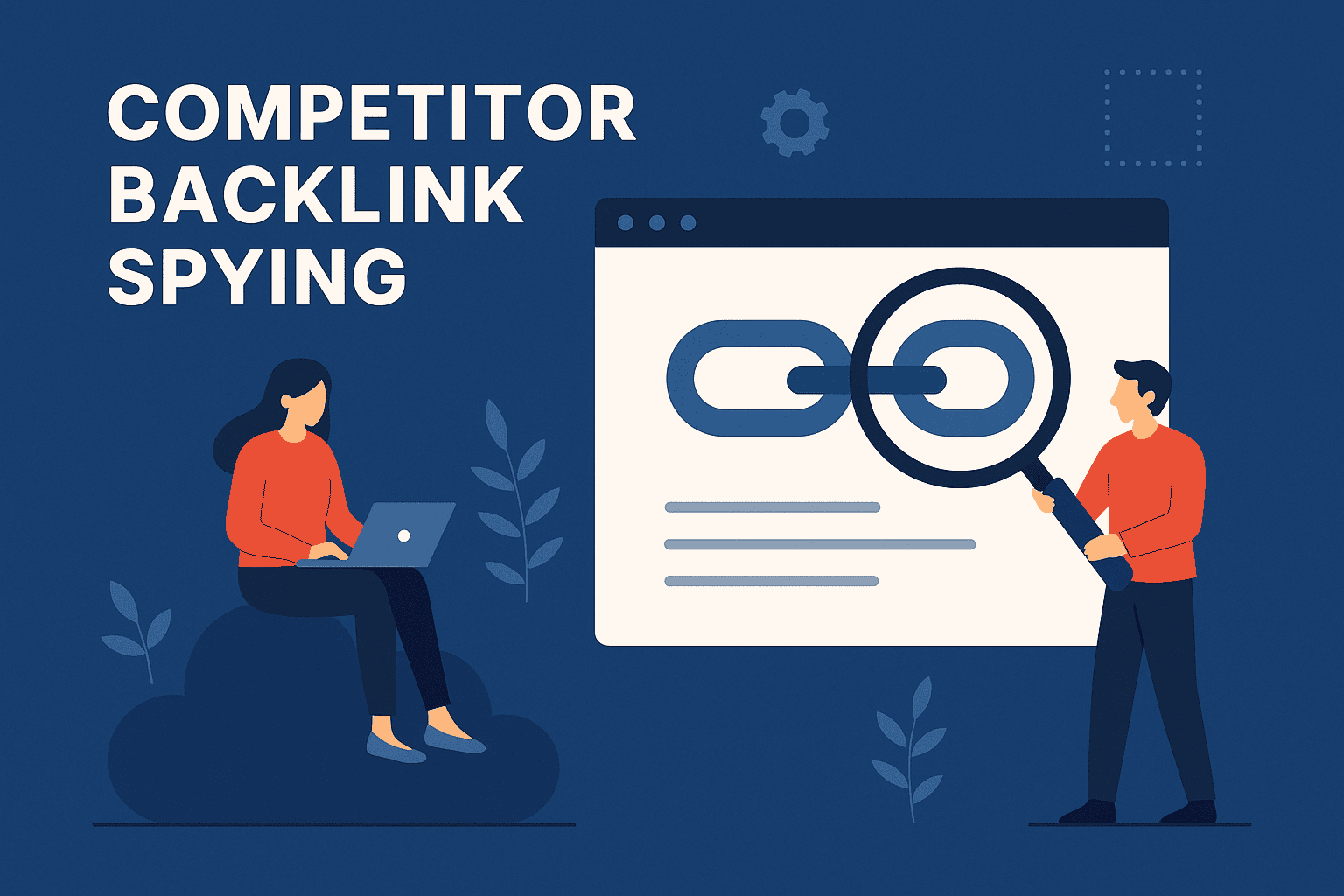
Backlink monitoring extends beyond your own link profile to include competitive intelligence gathering. By tracking competitor backlinks, you can identify successful link building strategies, discover new opportunity sources, and benchmark your performance against industry leaders.
Competitive gap analysis reveals linking opportunities your competitors have secured but you haven’t pursued. These gaps often represent the most accessible targets for new link acquisition, as the linking sites have already demonstrated willingness to link to content in your industry.
Monitoring competitor link losses can also reveal opportunities. When competitors lose valuable backlinks, you might be able to secure those links for your own site by providing superior content or building better relationships with the linking sites.
Industry trend analysis through competitive monitoring helps identify emerging link building opportunities before they become saturated. By tracking where industry leaders are gaining links, you can spot new platforms, content types, or outreach strategies worth exploring.
Automation and Workflow Integration
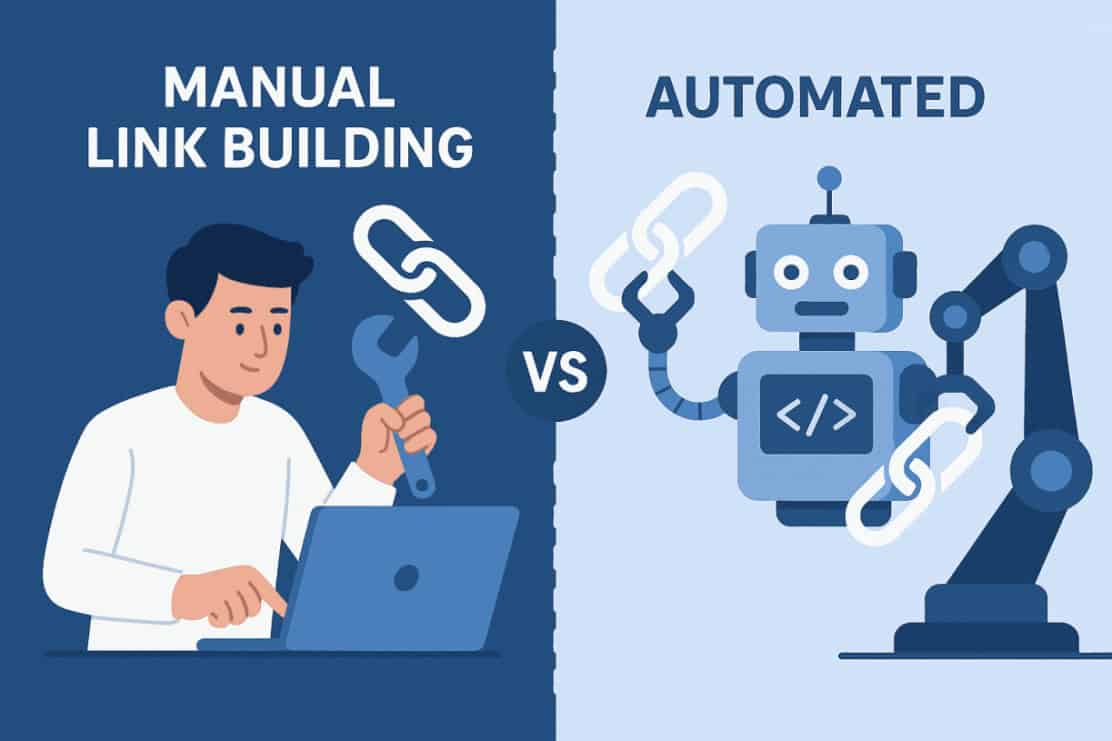
Modern backlink monitoring platforms increasingly emphasize automation to reduce manual workload while maintaining comprehensive oversight. Automated workflows can handle routine tasks like link categorization, quality scoring, and report generation, freeing up time for strategic activities.
Intelligent filtering systems automatically sort new backlinks into categories based on predefined criteria. High-quality links from authoritative sources might be flagged for promotion, while suspicious links are marked for review. This automated triage ensures important changes receive appropriate attention without overwhelming users with irrelevant data.
Integration with other SEO tools creates seamless workflows that span the entire optimization process. Backlink data can feed into content planning tools, helping identify topics that attract links. Similarly, integration with outreach platforms can automatically populate prospect lists based on competitor link analysis.
Automated reporting ensures stakeholders receive regular updates without manual intervention. Customizable report templates can highlight different metrics for different audiences, from high-level executive summaries to detailed technical analyses for SEO teams.
Advanced Analytics and Predictive Insights
The most sophisticated monitoring platforms incorporate machine learning algorithms that provide predictive insights beyond simple historical reporting. These systems can forecast potential ranking impacts from link changes, identify emerging threats before they materialize, and suggest optimization strategies based on pattern recognition.
Predictive modeling analyzes historical correlations between link changes and ranking movements to estimate the potential impact of current developments. This capability helps prioritize response efforts and set realistic expectations for recovery timelines when issues occur.
Anomaly detection algorithms identify unusual patterns that might indicate problems or opportunities. Sudden changes in link acquisition rates, unusual geographic distributions, or unexpected anchor text patterns can all signal situations requiring investigation.
Trend analysis capabilities help identify long-term patterns that inform strategic planning. Understanding seasonal variations in link acquisition, the lifecycle of different link types, and the evolving landscape of linking opportunities enables more effective resource allocation and campaign planning.
Mobile and Accessibility Considerations
Modern backlink monitoring dashboards must accommodate diverse access needs and usage patterns. Mobile-responsive designs ensure critical information remains accessible when users need to check link status or respond to alerts while away from their desks.
Simplified mobile interfaces focus on essential metrics and actions, recognizing that detailed analysis typically occurs on desktop systems. Mobile dashboards prioritize alert notifications, quick quality assessments, and basic trend visualization while maintaining access to deeper functionality when needed.
Accessibility features ensure monitoring platforms serve users with diverse needs and capabilities. This includes support for screen readers, keyboard navigation, high contrast modes, and other accommodations that make link monitoring tools usable by everyone on SEO teams.
Data Security and Privacy Protection
Backlink monitoring involves handling sensitive competitive intelligence and proprietary SEO data. Robust security measures protect this information while ensuring compliance with data protection regulations. Enterprise-grade platforms implement multiple layers of security to safeguard user data and maintain system integrity.
Encryption protocols protect data both in transit and at rest, ensuring that sensitive backlink information remains secure throughout the monitoring process. Regular security audits and penetration testing help identify and address potential vulnerabilities before they can be exploited.
Access control systems enable granular permission management, allowing organizations to restrict sensitive data access to appropriate team members. Role-based permissions ensure that users can access the information they need while maintaining security boundaries.
Data retention policies balance the need for historical analysis with privacy considerations and storage efficiency. Clear policies regarding data collection, usage, and deletion help users understand how their information is handled and ensure compliance with applicable regulations.
Integration with Broader SEO Strategies
Effective backlink monitoring doesn’t operate in isolation but integrates with comprehensive SEO strategies. Link data informs content creation decisions, guides technical optimization priorities, and supports overall digital marketing efforts. Specialized tracking tools for agencies provide the scalability needed to manage multiple client portfolios simultaneously.
Content strategy alignment ensures that link building efforts support broader content marketing goals. By analyzing which content types attract the most valuable links, teams can focus creation efforts on formats and topics that naturally generate backlink opportunities.
Technical SEO integration helps identify how site changes might impact existing backlinks. When planning site migrations, redesigns, or structural changes, backlink monitoring data helps preserve valuable link equity and minimize ranking disruptions.
Performance measurement frameworks incorporate backlink metrics alongside other SEO indicators to provide comprehensive campaign assessment. Understanding how link building efforts contribute to overall organic performance helps optimize resource allocation and demonstrate ROI.
Future Developments in Link Monitoring
The backlink monitoring landscape continues evolving as search engines refine their algorithms and new technologies emerge. Artificial intelligence integration promises more sophisticated quality assessment and predictive capabilities, while improved data collection methods will provide even more comprehensive link coverage.
Real-time processing improvements will reduce the lag between link changes and dashboard updates, enabling even faster response times to critical developments. Enhanced visualization capabilities will make complex link data more accessible and actionable for users at all technical levels.
Integration with emerging SEO technologies, such as entity-based optimization and semantic search analysis, will provide deeper insights into link relevance and value. These developments will help SEO professionals build more effective, sustainable link portfolios that align with evolving search engine priorities.
Implementation Best Practices
Successful backlink monitoring implementation requires careful planning and systematic execution. Start by establishing clear objectives for your monitoring efforts, whether focused on competitive intelligence, risk management, or opportunity identification. These objectives guide platform selection and configuration decisions.
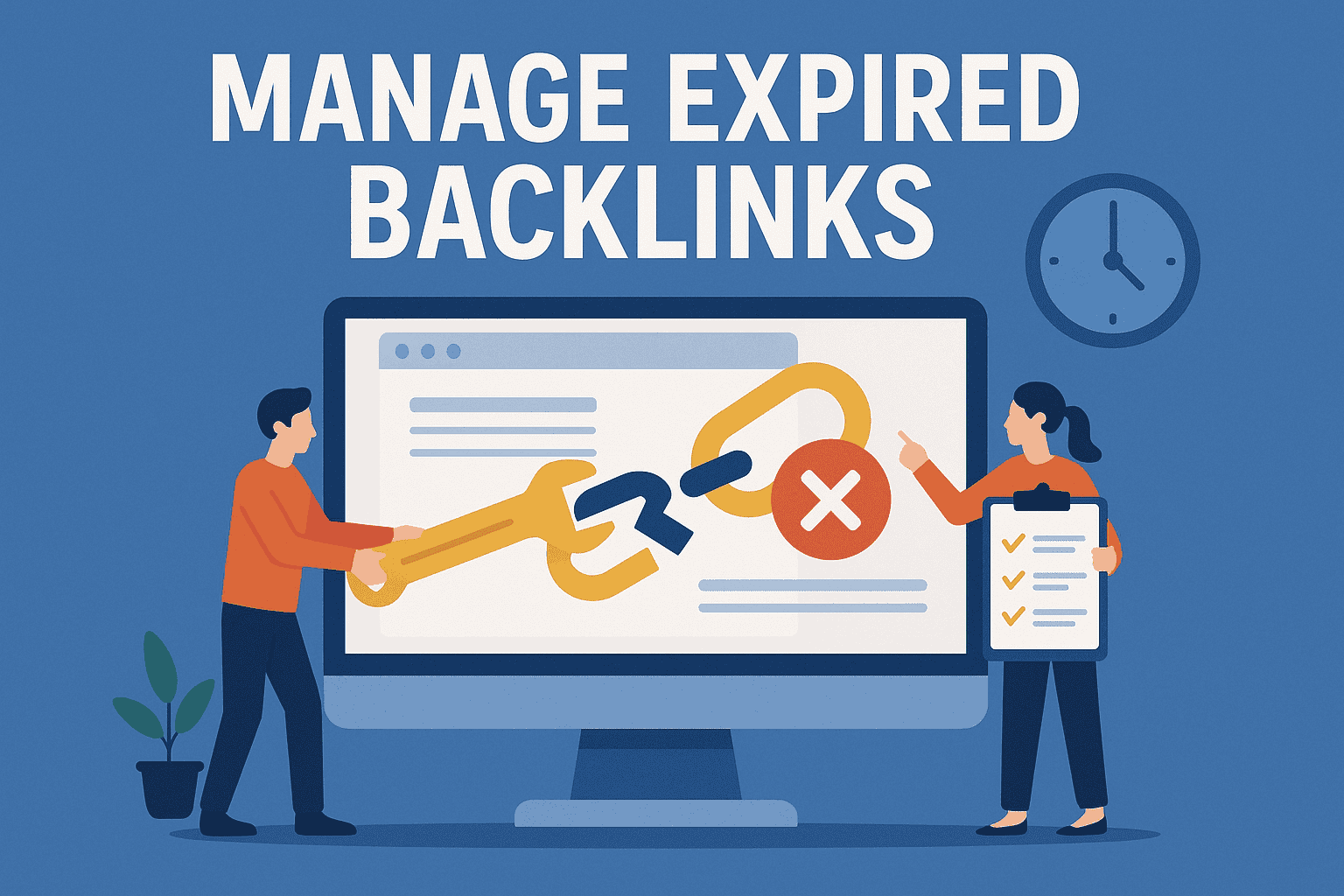
Regular review cycles ensure monitoring systems continue meeting evolving needs. Monthly assessments of alert settings, quality thresholds, and reporting requirements help optimize platform performance and user experience. Managing expired backlinks represents a crucial ongoing maintenance task that prevents link rot from undermining SEO efforts.
Team training ensures all users understand platform capabilities and best practices. Regular training sessions help teams stay current with new features and maintain consistent monitoring standards across all projects.
Documentation of monitoring procedures and response protocols creates consistency and enables effective knowledge transfer. Clear guidelines for handling different types of link changes help teams respond appropriately to various scenarios.
Measuring Monitoring Effectiveness
Evaluating the success of backlink monitoring efforts requires tracking multiple performance indicators beyond simple link counts. Response time metrics measure how quickly teams identify and address critical changes, while accuracy assessments evaluate the effectiveness of quality scoring and threat detection systems.
ROI calculations should consider both direct benefits, such as prevented ranking losses from toxic link removal, and indirect advantages like improved efficiency in link building campaigns. Comprehensive link building metrics provide the framework for measuring overall program effectiveness.
User satisfaction surveys help identify areas for platform improvement and training needs. Regular feedback collection ensures monitoring systems continue serving user needs effectively as those needs evolve.
Continuous optimization based on performance data helps refine monitoring strategies and improve outcomes over time. Regular analysis of what works well and what needs improvement drives ongoing enhancement of monitoring effectiveness.
Effective backlink monitoring and management through live dashboard insights represents a critical component of modern SEO success. By implementing comprehensive monitoring systems, maintaining vigilant oversight of link quality, and integrating monitoring data with broader optimization strategies, organizations can build and maintain healthy backlink profiles that support long-term organic search success. The investment in sophisticated monitoring capabilities pays dividends through improved rankings, reduced risks, and more efficient link building efforts.






![Longtail Pro Moz or Majestic [Full Breakdown]](https://backlinkdesk.com/wp-content/uploads/2025/11/ChatGPT-Image-Nov-14-2025-08_30_38-AM.png)





























![How Many Outbound Links Per Blog [2025 Updated]](https://backlinkdesk.com/wp-content/uploads/2025/06/How-Many-Outbound-Links-Per-Blog.png)

![B2B and B2C Website Examples [2025 Updated]](https://backlinkdesk.com/wp-content/uploads/2025/05/B2B-and-B2C-Website-Example-.png)





![What To Do After Keyword Research [2025 Guide]](https://backlinkdesk.com/wp-content/uploads/2025/05/What-To-Do-After-Keyword-Research.png)
![Is Page Speed Really A Ranking Factor? [2025]](https://backlinkdesk.com/wp-content/uploads/2025/05/Is-Page-Speed-Really-A-Ranking-Factor.png)














![Best Link Exchange Sites [Free & Safe] – Top 5 Picks](https://backlinkdesk.com/wp-content/uploads/2025/04/Free-Link-Exchange.png)