
Backlink Monitoring and Management: Advanced Link Auditing
Effective backlink monitoring and management forms the backbone of any successful SEO strategy. Without proper oversight of your link profile, you risk missing toxic links, losing valuable opportunities, and failing to capitalize on your link building investments. Advanced link auditing goes beyond simple backlink counting—it involves systematic analysis, proactive management, and strategic optimization of your entire link ecosystem.
Modern backlink management requires sophisticated tools and methodologies that can handle the complexity of today’s link landscapes. From real-time monitoring alerts to automated quality assessments, the right approach to link auditing can dramatically improve your search rankings while protecting your domain from penalties.
Understanding Advanced Backlink Monitoring
Advanced backlink monitoring encompasses multiple layers of analysis that work together to provide comprehensive insights into your link profile’s health and performance. Unlike basic backlink checkers that simply list your links, advanced monitoring systems evaluate link quality, track changes over time, identify patterns, and predict potential issues before they impact your rankings.
The foundation of effective monitoring lies in establishing baseline metrics for your current link profile. This includes cataloging existing backlinks, assessing their quality scores, documenting anchor text distributions, and mapping the relationship between different linking domains. These baseline measurements serve as reference points for tracking improvements and identifying anomalies.
Real-time monitoring capabilities allow you to detect new backlinks as they appear, monitor changes to existing links, and receive immediate alerts when links are lost or modified. This immediate awareness enables rapid response to both opportunities and threats, ensuring your link profile remains optimized and protected.
Essential Components of Link Profile Analysis
Comprehensive link profile analysis requires examining multiple dimensions of your backlink portfolio. Domain authority distribution reveals whether your links come from high-quality sources or if you’re overly dependent on low-authority sites. A healthy link profile typically shows a pyramid structure with fewer high-authority links at the top and more moderate-authority links forming the base.
Anchor text analysis identifies potential over-optimization issues that could trigger algorithmic penalties. Natural link profiles display diverse anchor text patterns including branded terms, generic phrases, naked URLs, and relevant keywords in appropriate proportions. Monitoring these distributions helps maintain natural-looking link profiles that search engines favor.
Geographic and topical relevance analysis ensures your backlinks align with your target markets and content themes. Links from geographically relevant sources carry additional weight for local SEO, while topically relevant links demonstrate subject matter authority to search engines.
Link velocity tracking monitors the rate at which you acquire new backlinks over time. Sudden spikes in link acquisition can appear unnatural to search engines, while consistent, gradual growth patterns typically perform better in rankings. Understanding your natural link velocity helps inform link building strategies and timeline planning.
Automated Monitoring Systems and Alerts
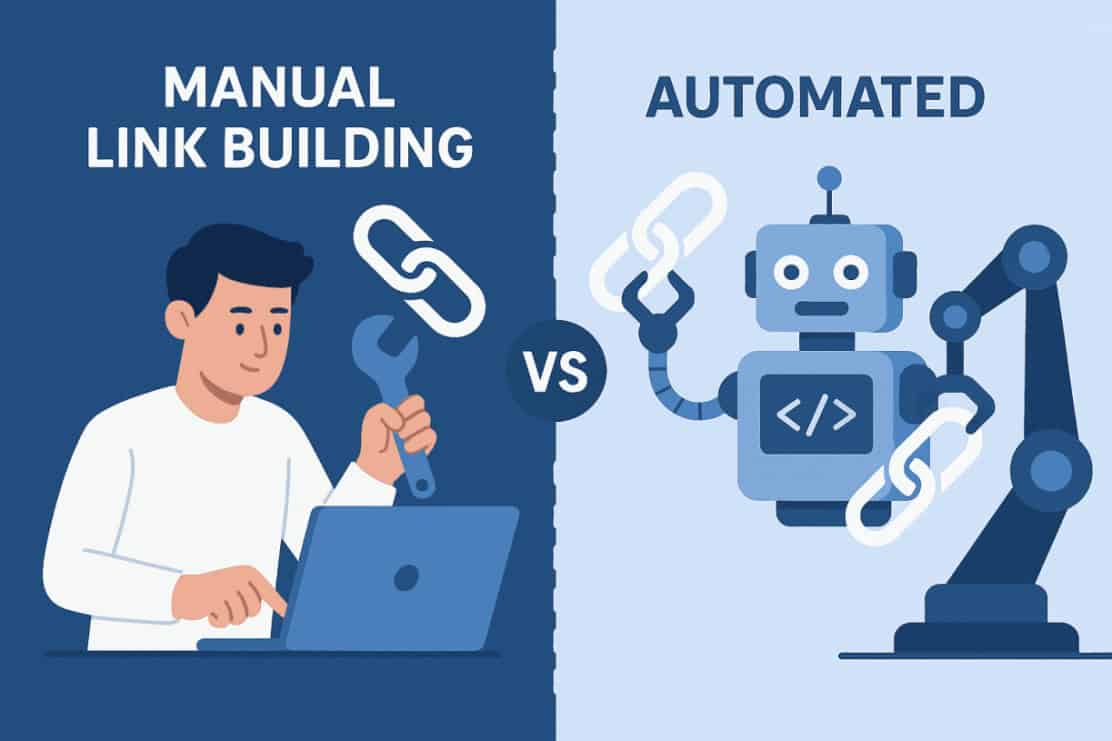
Automated monitoring systems eliminate the manual effort required to track thousands of backlinks across multiple domains. These systems continuously crawl the web, checking link status, monitoring changes, and updating link databases in real-time. Automation ensures no critical changes go unnoticed while freeing up time for strategic analysis and optimization.
Alert systems can be configured to notify you of specific events such as new high-authority backlinks, lost valuable links, changes in anchor text, or the appearance of potentially toxic links. Customizable alert thresholds allow you to focus on the most important changes while filtering out minor fluctuations that don’t require immediate attention.
Integration capabilities with other SEO tools create comprehensive monitoring ecosystems that correlate backlink changes with ranking fluctuations, traffic patterns, and competitive movements. This holistic view enables better decision-making and more effective optimization strategies.
Competitor Backlink Analysis and Intelligence
Monitoring competitor backlinks provides valuable intelligence about industry link building opportunities and strategies. By analyzing where competitors acquire their most valuable links, you can identify potential link prospects, understand industry linking patterns, and discover content themes that attract natural links.
Competitive gap analysis reveals linking opportunities that competitors have secured but you haven’t pursued. These gaps often represent the highest-value prospects since they’ve already demonstrated willingness to link to businesses in your industry. Systematic analysis of competitor link profiles can uncover hundreds of qualified prospects.
Tracking competitor link velocity and acquisition patterns provides insights into their link building strategies and campaign timing. Understanding when and how competitors launch link building initiatives helps inform your own strategic planning and resource allocation.
Quality Assessment and Toxic Link Identification
Advanced quality assessment goes beyond simple domain authority metrics to evaluate multiple quality signals including content relevance, site trustworthiness, spam indicators, and linking context. Machine learning algorithms can analyze these complex quality signals to provide more accurate assessments than traditional metrics alone.
Toxic link identification requires sophisticated pattern recognition that can distinguish between low-quality links that should be disavowed and simply weak links that pose no harm. False positives in toxic link identification can lead to unnecessary disavowal of harmless links, potentially reducing your overall link equity.
Risk scoring systems assign numerical risk values to individual links and overall link profile segments. These scores help prioritize remediation efforts, focusing attention on the highest-risk links that could impact rankings or trigger penalties. Regular risk assessment ensures your link profile remains clean and compliant with search engine guidelines.
Link Loss Detection and Recovery
Link loss detection systems monitor your existing backlinks for changes in status, including complete removal, nofollow additions, or redirects that break link equity flow. Early detection of link losses enables proactive outreach to restore valuable links before they impact rankings significantly.
Recovery strategies vary depending on the reason for link loss. Technical issues like broken redirects or server problems often require simple fixes, while editorial removals may need relationship rebuilding or content updates. Understanding the cause of link loss informs the most appropriate recovery approach.
Automated recovery workflows can handle certain types of link losses without manual intervention. For example, when links are lost due to technical issues, automated systems can notify webmasters, provide corrected information, and track resolution progress. This automation ensures faster recovery times and reduces manual workload.
Performance Tracking and ROI Measurement
Measuring the performance impact of your backlink portfolio requires correlating link metrics with business outcomes including rankings, traffic, and conversions. Advanced analytics platforms can track these relationships over time, identifying which types of links drive the most valuable results.
ROI measurement for link building campaigns involves tracking costs associated with link acquisition against the value generated through improved rankings and increased traffic. This analysis helps optimize budget allocation and identify the most cost-effective link building strategies.
Attribution modeling assigns value to different links based on their contribution to overall performance improvements. Links that drive direct referral traffic may have different value profiles than links that primarily boost rankings for competitive keywords. Understanding these value differences helps prioritize link building efforts.
Integration with Link Building Workflows
Effective backlink monitoring integrates seamlessly with ongoing link building activities, providing feedback loops that improve campaign effectiveness. Monitoring data informs prospect qualification, helps identify successful outreach strategies, and reveals content themes that attract natural links.
Campaign tracking capabilities monitor the success rates of different link building approaches, tracking metrics like outreach response rates, link acquisition costs, and time-to-acquisition for different prospect types. This data enables continuous optimization of link building processes and resource allocation.
Workflow automation can trigger specific actions based on monitoring data. For example, when a high-value link is lost, the system can automatically create outreach tasks, draft recovery emails, and schedule follow-up activities. This integration ensures no opportunities are missed and responses are timely.
Advanced Reporting and Data Visualization
Comprehensive reporting transforms raw backlink data into actionable insights through advanced visualization and analysis tools. Interactive dashboards allow users to explore link data from multiple perspectives, drilling down into specific segments or time periods to understand trends and patterns.
Custom reporting capabilities enable different stakeholders to access relevant information in appropriate formats. Executive summaries focus on high-level performance metrics and ROI, while technical reports provide detailed analysis for SEO practitioners. Automated report generation ensures consistent communication and documentation.
Historical trend analysis reveals long-term patterns in link acquisition, quality changes, and performance correlations. Understanding these trends helps predict future performance and identify optimal timing for link building initiatives. Seasonal patterns, competitive cycles, and algorithm update impacts become visible through comprehensive historical analysis.
Technical Implementation and Tool Selection
Implementing advanced backlink monitoring requires careful tool selection based on your specific needs, budget, and technical requirements. Enterprise-level solutions offer comprehensive features but may be overkill for smaller operations, while basic tools might lack the sophistication needed for complex link portfolios.
API integration capabilities enable custom monitoring solutions that integrate with existing SEO workflows and reporting systems. Many organizations benefit from combining multiple tools to create comprehensive monitoring ecosystems that address all aspects of backlink management.
Data accuracy and freshness vary significantly between different monitoring tools. Understanding these limitations helps set appropriate expectations and informs decisions about tool combinations or custom development needs. Regular validation of monitoring data against manual checks ensures accuracy and reliability.
Best Practices for Ongoing Management
Establishing regular monitoring schedules ensures consistent oversight without overwhelming daily operations. Weekly reviews of new links and monthly comprehensive audits typically provide adequate coverage for most websites, while high-velocity sites may require more frequent monitoring.
Documentation and record-keeping create valuable historical context for link building decisions and outcomes. Maintaining detailed records of link acquisition efforts, quality assessments, and performance correlations builds institutional knowledge that improves future campaigns.
Team training and process standardization ensure consistent application of monitoring and management practices across organizations. Clear procedures for link assessment, risk evaluation, and response protocols prevent inconsistent decisions that could impact link profile quality.
Regular strategy reviews incorporate monitoring insights into broader SEO planning, ensuring link building efforts align with overall business objectives and search engine algorithm changes. Quarterly strategy sessions that combine monitoring data with competitive analysis and performance metrics typically provide optimal planning cycles.
Advanced backlink monitoring and management represents a critical investment in long-term SEO success. By implementing comprehensive monitoring systems, maintaining rigorous quality standards, and continuously optimizing based on performance data, organizations can build and maintain link profiles that drive sustainable organic growth. The complexity of modern link landscapes demands sophisticated approaches, but the rewards of effective backlink management justify the investment in advanced monitoring capabilities.
Success in backlink monitoring requires balancing automation with human insight, leveraging technology to handle routine tasks while applying strategic thinking to complex decisions. As search engines continue evolving their link evaluation algorithms, robust monitoring systems provide the foundation for adapting strategies and maintaining competitive advantages in organic search results.
For agencies managing multiple client link profiles, specialized tracking tools designed for agencies can streamline operations and improve client reporting. Additionally, understanding how to manage expired backlinks becomes crucial for maintaining link profile health over time. Finally, implementing proper link building metrics ensures your monitoring efforts translate into measurable business outcomes.





![Longtail Pro Moz or Majestic [Full Breakdown]](https://backlinkdesk.com/wp-content/uploads/2025/11/ChatGPT-Image-Nov-14-2025-08_30_38-AM.png)





















![How Many Outbound Links Per Blog [2025 Updated]](https://backlinkdesk.com/wp-content/uploads/2025/06/How-Many-Outbound-Links-Per-Blog.png)

![B2B and B2C Website Examples [2025 Updated]](https://backlinkdesk.com/wp-content/uploads/2025/05/B2B-and-B2C-Website-Example-.png)


![What To Do After Keyword Research [2025 Guide]](https://backlinkdesk.com/wp-content/uploads/2025/05/What-To-Do-After-Keyword-Research.png)
![Is Page Speed Really A Ranking Factor? [2025]](https://backlinkdesk.com/wp-content/uploads/2025/05/Is-Page-Speed-Really-A-Ranking-Factor.png)













![Best Link Exchange Sites [Free & Safe] – Top 5 Picks](https://backlinkdesk.com/wp-content/uploads/2025/04/Free-Link-Exchange.png)